TechOTD AI solutions

Artificial Intelligence

From Google to AI: Why We’re Changing the Way We Search Forever

Introduction The way we search for information online is undergoing a groundbreaking transformation. What began as keyword-based queries on Google is rapidly evolving into an AI-powered, conversational, and context-aware experience. This shift is not just a technological trend, but a fundamental change in how humans interact with information on the internet. The Evolution from Traditional Search to AI Search Traditional search engines like Google use keyword matching and ranking algorithms to serve web pages related to user queries. While effective, this method requires users to refine their searches and sift through links to find answers. AI Search changes this paradigm by understanding natural language, user intent, and context at a far deeper level. Powered by advanced models like Google’s Gemini 2.5, AI Search can generate comprehensive, nuanced responses that summarize and analyze information from across the web—often eliminating the need to browse multiple sites. Why AI is Changing Search Forever 1. Conversational Interaction Users can interact with AI search as if talking to a knowledgeable assistant. This makes searches more intuitive, including follow-up questions without repeating context. 2. Multimodal Capabilities AI Search supports text, voice, and image queries, enhancing accessibility and flexibility. 3. Comprehensive Answers AI compiles information from multiple sources and produces detailed overviews, reducing the time and effort users spend searching. 4. Personalized and Contextual Results AI tailors responses based on user preferences, search history, and current context, delivering highly relevant answers. 5. Impact on SEO and Content Content strategies need to adapt, focusing on authority, relevance, experience, and clarity since AI ranks content differently than traditional algorithms. Use Cases of AI Search Healthcare: Immediate, reliable medical information without navigating complex sites. Education: Rich, synthesized answers for learners and researchers. E-commerce: Personalized shopping assistance and product discovery. Business Research: Rapid market insights and competitor analysis. Future Trends in AI Search Tight integration with virtual assistants and IoT devices for hands-free queries. Enhanced AI models understanding complex visual and audio content. Growth in localized and multilingual AI search to serve global users better. Continuous improvement in content quality evaluation to reduce misinformation. Conclusion The transition from traditional Google Search to AI-driven experiences represents a new chapter in digital information discovery. Embracing AI Search opens vast possibilities for users and businesses alike, offering faster, richer, and more intuitive access to knowledge. For insights and service offerings on AI-powered search technologies, visit TechOTD AI Services and explore emerging trends on the TechOTD Blog.

Digital Transformation

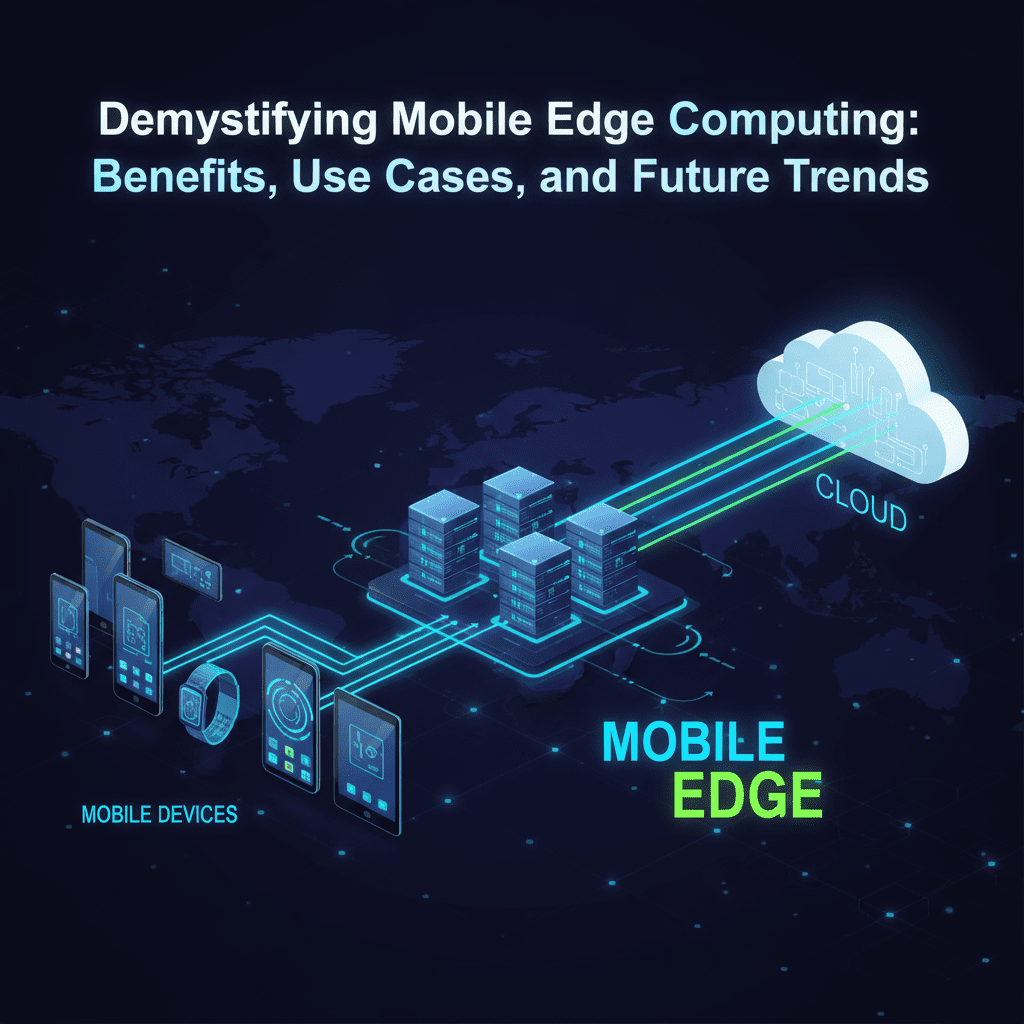
Demystifying Mobile Edge Computing: Benefits, Use Cases, and Future Trends

Introduction In the rapidly evolving digital landscape, Mobile Edge Computing (MEC) has become a critical technology, ushering in new capabilities beyond traditional cloud computing paradigms. By processing data closer to the source—at the edge of the network—MEC dramatically improves data processing speed, reduces latency, enhances security, and fuels innovation across industries. This comprehensive blog demystifies MEC with a deep dive into its benefits, practical use cases, and future trends shaping enterprise strategies. It also highlights key technological integrators such as AI, blockchain, and predictive analytics explored extensively by TechOTD and its related resources. What is Mobile Edge Computing? Mobile Edge Computing (MEC) pushes computing power and data storage closer to end users and connected devices, typically at or near cellular base stations, IoT gateways, or local data centers. Unlike central cloud data centers that might be geographically distant, MEC provides ultra-low latency and real-time processing capabilities. This proximity is a game changer for applications requiring speed, reliability, and privacy. MEC works symbiotically with 5G, AI, and IoT to enable seamless, intelligent experiences across multiple sectors. Benefits of Mobile Edge Computing 1. Ultra-Low Latency and Real-Time Processing By processing data at the edge, MEC reduces the time needed to transmit data to distant cloud servers and back. This latency reduction is essential for use cases like autonomous driving, remote surgery, and live video analytics. 2. Enhanced Data Privacy and Security MEC minimizes data traveling over public networks, reducing exposure risks. Enterprises can enforce data residency and compliance directly on edge nodes, critical for healthcare, finance, and government. 3. Bandwidth Optimization and Cost Savings Edge processing filters and aggregates data locally, reducing network congestion and lowering bandwidth costs—a vital benefit as IoT devices and data volumes surge. 4. Improved Reliability and Resilience MEC enables critical systems to function locally even if the central cloud or wide-area network connectivity is disrupted, offering business continuity and superior service quality. 5. Scalability and Flexibility Modular edge deployments allow enterprises to add or upgrade capacity closer to users and devices, supporting dynamic workloads and new services faster than traditional cloud-only models. Key Use Cases of MEC Across Industries Manufacturing: Smart Factories and Predictive Maintenance MEC combined with IoT sensors enables immediate processing of operational data, facilitating real-time monitoring, predictive maintenance, and automation in factories — minimizing downtime and maximizing productivity. Retail: Personalized In-Store Experiences Retailers use MEC for instant data analytics supporting personalized promotions, inventory management, and frictionless payment processing at the store edge, enhancing customer experience. Healthcare: Remote Monitoring and Diagnostics In healthcare, MEC allows processing of medical imaging and patient data locally for faster, secure diagnostics and telehealth services while ensuring compliance with privacy regulations. Transportation and Logistics: Autonomous and Connected Fleets Edge computing enables rapid data analysis for connected vehicles and fleets, supporting route optimization, safety monitoring, and compliance in real-time. Smart Cities: Responsive Public Infrastructure Citywide IoT systems use MEC to process environmental data, traffic flows, and public safety signals locally, enabling fast responses and efficient resource management. Integration with AI and Blockchain Technologies Artificial Intelligence at the Edge Integrating AI with MEC allows for real-time, context-aware decision making on devices or local nodes without sending data back to the cloud. This accelerates innovation in predictive analytics, image recognition, and anomaly detection. Explore advanced AI applications in enterprises at TechOTD AI Services and TechOTD AI Blog. Blockchain for Enhanced Security and Transparency Blockchain technology complements MEC by providing decentralized, tamper-proof transaction records and supply chain transparency, ideal for secure edge operations. Learn more about blockchain’s transformative business role at TechOTD Blockchain Integration. Best Practices for MEC Implementation Evaluate Business Needs and Edge Readiness: Identify workloads that gain most from edge processing to ensure efficient deployment and ROI. Prioritize Security: Implement comprehensive security protocols including data encryption, authentication, and zero-trust models at all edge points. Adopt Hybrid Cloud-Edge Architecture: Combine centralized cloud resources with edge nodes for balance between scalability and low latency. Use Automation and AI for Resource Optimization: Employ AI-driven management tools for predictive maintenance, load balancing, and anomaly detection. Partner with Experienced Vendors: Collaborate with technology providers skilled in edge deployments to ensure seamless integration and ongoing support and TechOTD How We Work. Future Trends in Mobile Edge Computing Advances in On-Device AI: Smaller, more capable AI models running independently on edge devices for privacy and speed. Industry-Specific MEC Solutions: Vertical customization for health, manufacturing, retail, and other sectors. Edge Orchestration and Automation: Automated deployment, scaling, and self-healing edge systems reducing OPEX. Integration with 6G and Beyond: As next-gen networks evolve, MEC will expand with wider network slices and higher bandwidths. Expansion of Smart Cities and IoT: Growing urban infrastructure and IoT devices will increase MEC demand exponentially. Stay current on technology impact with TechOTD Blog and explore mobile and AI app development strategies at TechOTD Mobile Apps. Key Takeaways: MEC drastically reduces latency by processing data near the source. Security and data privacy improve through decentralized processing. Reduces network load and operational costs for enterprises. Industry use cases span manufacturing, retail, healthcare, transport, and smart cities. AI and blockchain technologies amplify MEC capabilities. Hybrid cloud-edge architectures offer flexible, scalable designs. Automation and orchestration will drive future MEC innovations Conclusion Mobile Edge Computing is no longer a futuristic concept but a necessary foundation for enterprises embracing digital transformation in the 5G era. By bringing compute power and intelligence closer to data sources, MEC accelerates innovation, enhances security, optimizes networks, and delivers real-time insights that fuel competitive advantage. Enterprises equipped with strategic MEC integration, supported by AI, blockchain, and predictive analytics, will unlock new business models and efficiencies—leading the charge into a connected, intelligent future.

Healthcare & Fitness

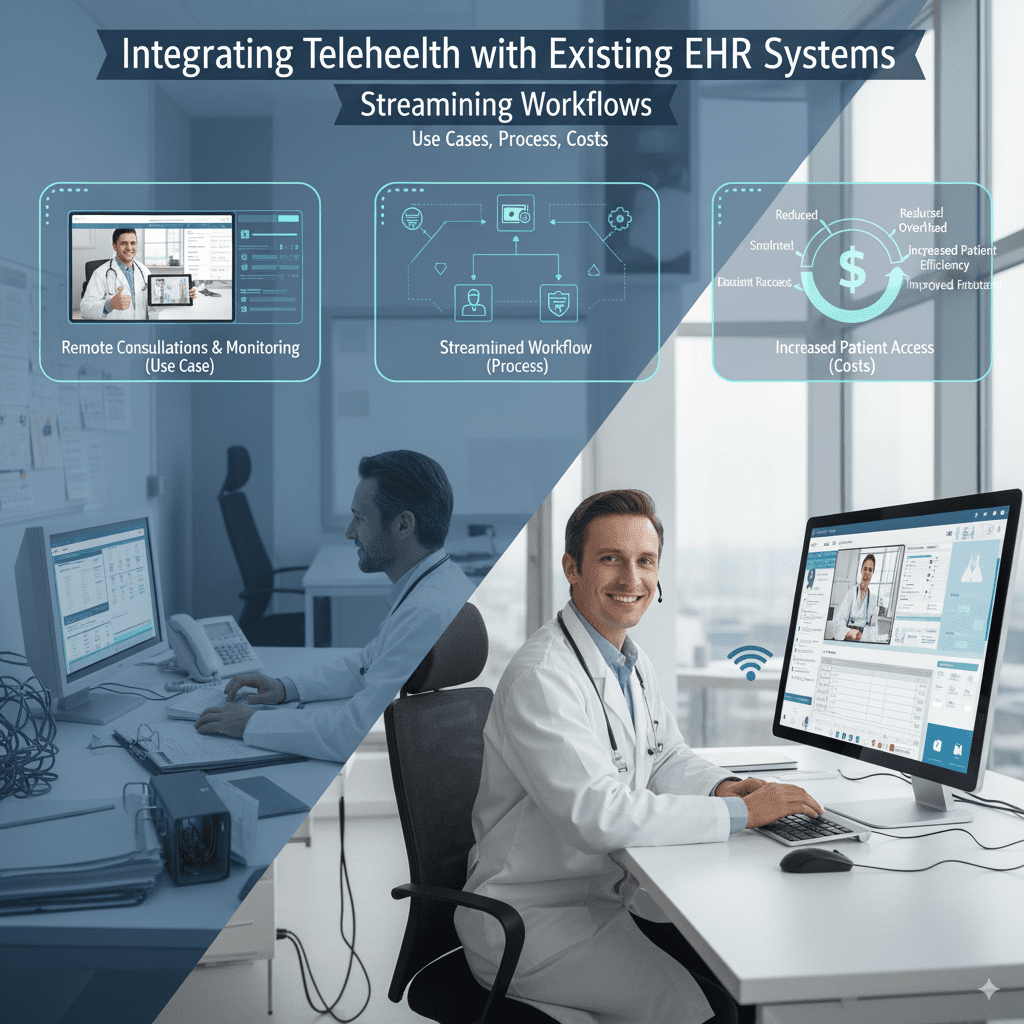
Integrating Telehealth with Existing EHR Systems: Streamlining Workflows

A rapid growth in the adoption of Electronic Health Records (EHRs) and telehealth software systems have been reported all across the world. For instance, almost 74% of healthcare physicians are actively offering telehealth services to their patients. However, one interesting finding in these studies is that it is causing a new strain of problems for healthcare providers, especially for healthcare IT teams. Since most healthcare providers use different healthcare software systems for different purposes, the creation of data silos has affected not only the interoperability of the desperate healthcare systems but also the clinical workflows of these practices. The disconnection between telehealth and Electronic Health Records (EHR) is creating a gap that is widening with every passing day. That is the reason a new trend is now taking shape and becoming a norm in the modern-day healthcare landscape. Yes, telehealth integration with EHR systems and EHR integration with telehealth systems for better data integration practices is what we’re talking about. But is this really the solution to bridge the gap between patient data leading to fragmented care? Well, explore exactly that along with the telehealth EHR integration benefits and the challenges of telehealth integration as well. So, without further ado, let’s get started! Unlocking the Power of Data Integration As healthcare practices are moving towards a digital landscape, the role of data in care delivery and also in the day-to-day affairs of healthcare practices is becoming the epicenter. That is why healthcare practices offering telemedicine should have EHR integration with their systems. Here are some of the telehealth EHR integration benefits that you must know: 1. Holistic Patient View: EHR integration with telemedicine systems enables healthcare providers to have a unified and holistic view of patient data. This patient data usually includes medical history, previous notes, telehealth encounters, and even medication and treatment plans. This will enable the provider to provide better patient care with a personalized approach. 2. Improved Care Coordination: Telehealth integration with healthcare systems, especially electronic health records systems, gives the provider direct access to all the relevant patient information, that too, in one place. This way, the entire care team can coordinate care in a much better way and make informed clinical decisions that can contribute to improving patient outcomes. 3. Streamlined Workflows and Reduced Errors: One of the major benefits of telehealth EHR integration is that it completely eliminates the chances of data duplication and manual entry. This way, clinical workflow is streamlined, significant time for both healthcare providers is saved, and errors are minimized, which will lead to better care practices. Apart from that, with EHR integration, the entire workflow can be streamlined, leading to better care practices. The Key to Interoperability: Standards and Technologies If you have even a slight idea about workflow optimization and telehealth integration with electronic health records, then you must know that interoperability is the key to data integration. Furthermore, to create a well-connected digital healthcare ecosystem, you must achieve interoperability. Here are some ways in which you can achieve that: 1. Breaking Down Silos with HL7 FHIR: HL7, also known as Health Level 7 and FHIR, are the interoperability standards that allow secure and standardized data exchange between telehealth platforms and EHR systems. Following these standards for data, integration enables healthcare providers to seamlessly exchange data and achieve EHR interoperability and telehealth. 2. Beyond Telehealth: While telehealth enables real-time virtual consultations with the use of telecommunication technologies, its integration with electronic health records and remote patient monitoring systems by achieving interoperability will make it an ecosystem where information can flow seamlessly and efficiently across different healthcare IT systems. This way, the telehealth integration will take the system beyond just virtual health consultations. 3. Future Proofing Your Infrastructure: As healthcare systems are becoming a part of the mainstream healthcare landscape, sooner or later, there will be a need to standardize the pattern in which data will be exchanged. This is in the foresight of the future of healthcare systems. So, actually following this as a best practice during your healthcare development will help you make your software future-proof and your practice one step ahead of the competitors, giving your practice more efficiency and efficacy. Challenges to Consider During Integration Since there are a lot of systems involved, the integration of so many systems is bound to be a challenging process for many. Here are some things that you can consider to avoid such challenges during the integration to help you achieve easy and smooth EHR and telehealth integration. 1. Data Standardization and Mapping: Data consistency across different systems is almost near impossible. The data stored in one healthcare IT system would be completely different from the data stored in your physicians’ healthcare systems. For instance, if the data standardization formats followed are different, then it becomes hard for the healthcare system to understand, interpret, and make sense of the data. However, with data mapping tools and industry-standard practices, you can actually ensure the quality of the data, which will automatically enhance the entire process, making the integration process much easier for the systems. 2. Cybersecurity and Data Privacy: Being one of those industries that is highly prone to cyber threats, there is a need to take robust security measures to protect sensitive patient data during the integration process. But how to ensure that? Following necessary compliances and regulatory regulations such as HIPAA, HITECH Act, GDPR, etc., can go a long way. Along with that, you ensure security measures are taken and also build trust in patients that their data is safe and private from the rest of the world. 3. Change Management and Staff Training: It cannot be ignored that the technology is constantly changing, and with that, everything needs to change. And the advancements in the medical field are proof of that. Being in the fastest changing industries, any change in the workflow or procedure will need a change in the system as well. Prepare for that in advance, train your staff well, and always address the technological changes that will help in the smooth adoption of the integrated system. Strategies for A Successful

Healthcare & Fitness, Uncategorized

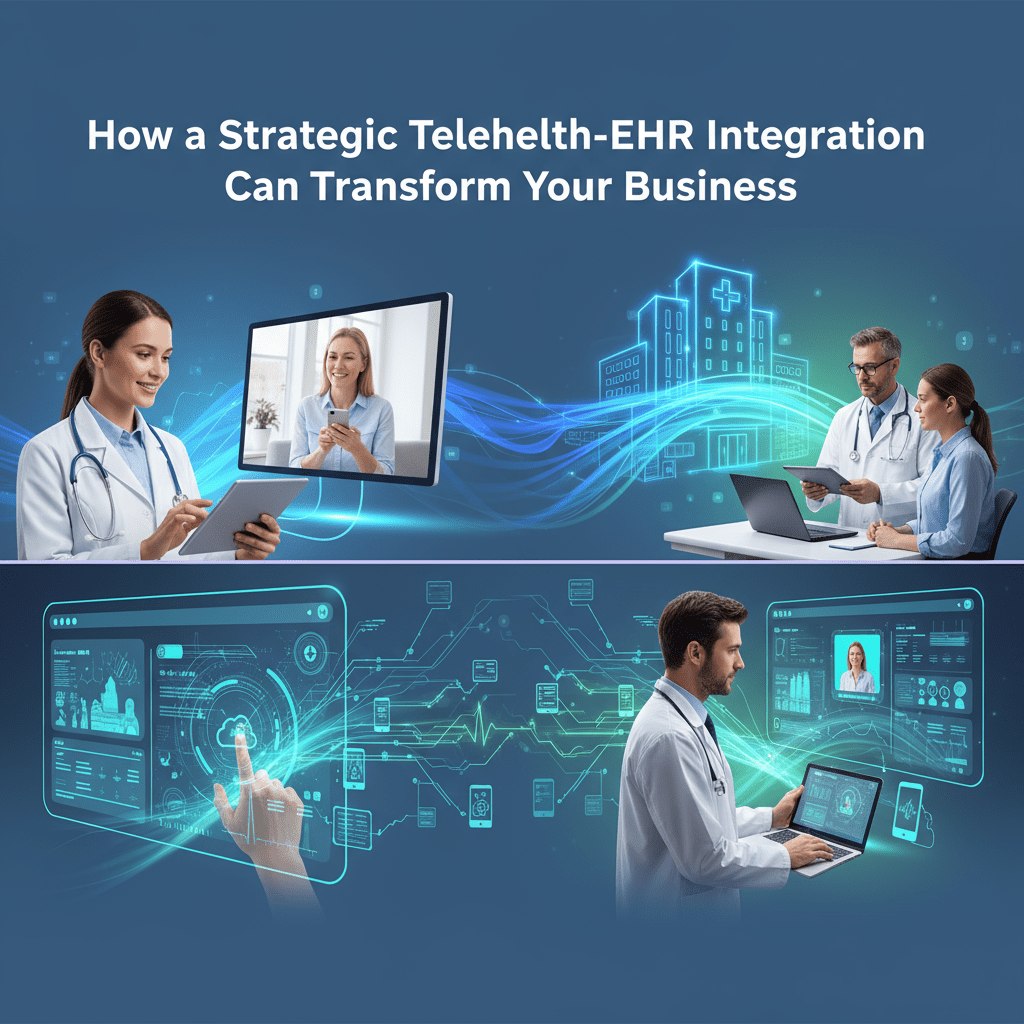
How a Strategic Telehealth-EHR Integration Can Transform Your Business: Use Cases, Process, Costs

Introduction The integration of telehealth systems with Electronic Health Records (EHR) is revolutionizing healthcare delivery by creating seamless, real-time access to patient data during virtual visits. This strategic alignment enhances care quality, streamlines operations, and opens new avenues for growth in healthcare organizations. Use Cases of Telehealth-EHR Integration Post-Surgical Follow-Ups Clinics use integrated systems to conduct virtual check-ins post-surgery, automatically updating patient records to ensure continuity and reduce unnecessary office visits. Remote Patient Monitoring Providers track chronic conditions via connected devices, with vitals and alerts seamlessly synced to the EHR, enabling proactive and timely interventions. Tele-specialty Consultations Specialists access comprehensive patient histories during remote consultations, reducing transcription errors and improving care coordination. Chronic Disease Management Integrated platforms allow centralized teams to monitor and respond to patient health remotely, reducing admissions and supporting underserved populations. Rural Telehealth Access Integration helps overcome barriers for rural facilities by enabling consistent remote care and efficient patient data exchange. Integration Process Overview Assessment & Planning: Evaluate existing telehealth and EHR systems for compatibility and establish integration goals. Choosing Integration Methods: Use APIs, HL7, or FHIR standards for data exchange. Data Mapping & Migration: Align telehealth data fields with EHR structures. Development & Testing: Build integration components and conduct rigorous testing. User Training: Train staff on new workflows and interfaces. Deployment & Monitoring: Rollout integration with ongoing support and optimization. Cost Considerations Small to mid-sized providers may expect initial setup costs between $20,000 to $200,000 depending on complexity. Data migration can range from $5,000 to $150,000+. Larger health systems investing in enterprise integration may face $400,000 to $600,000+ expenses. Annual maintenance, licensing, and staff training costs add to the ongoing investment. The right vendor partnership maximizes ROI while minimizing unforeseen expenses. Benefits of Integration Enhanced Clinical Workflow: Reduced manual entry, less duplication, and faster documentation. Improved Patient Experience: Seamless virtual visits with full access to medical history. Operational Efficiency: Streamlined billing, scheduling, and reporting. Scalability & Flexibility: Supports growth and new telehealth services with unified data infrastructure. Data Security & Compliance: Centralized policies reduce risk and simplify audits. Conclusion Strategic telehealth-EHR integration is a catalyst for healthcare innovation and improved business outcomes. By bridging virtual care with comprehensive patient records, organizations boost quality, efficiency, and patient satisfaction while controlling costs. For expert telehealth integration services and tailored healthcare technology solutions, visit TechOTD AI Services and stay informed via the TechOTD Blog.

Optimizing Operations with Digital Twin in Oil and Gas
Digital Transformation

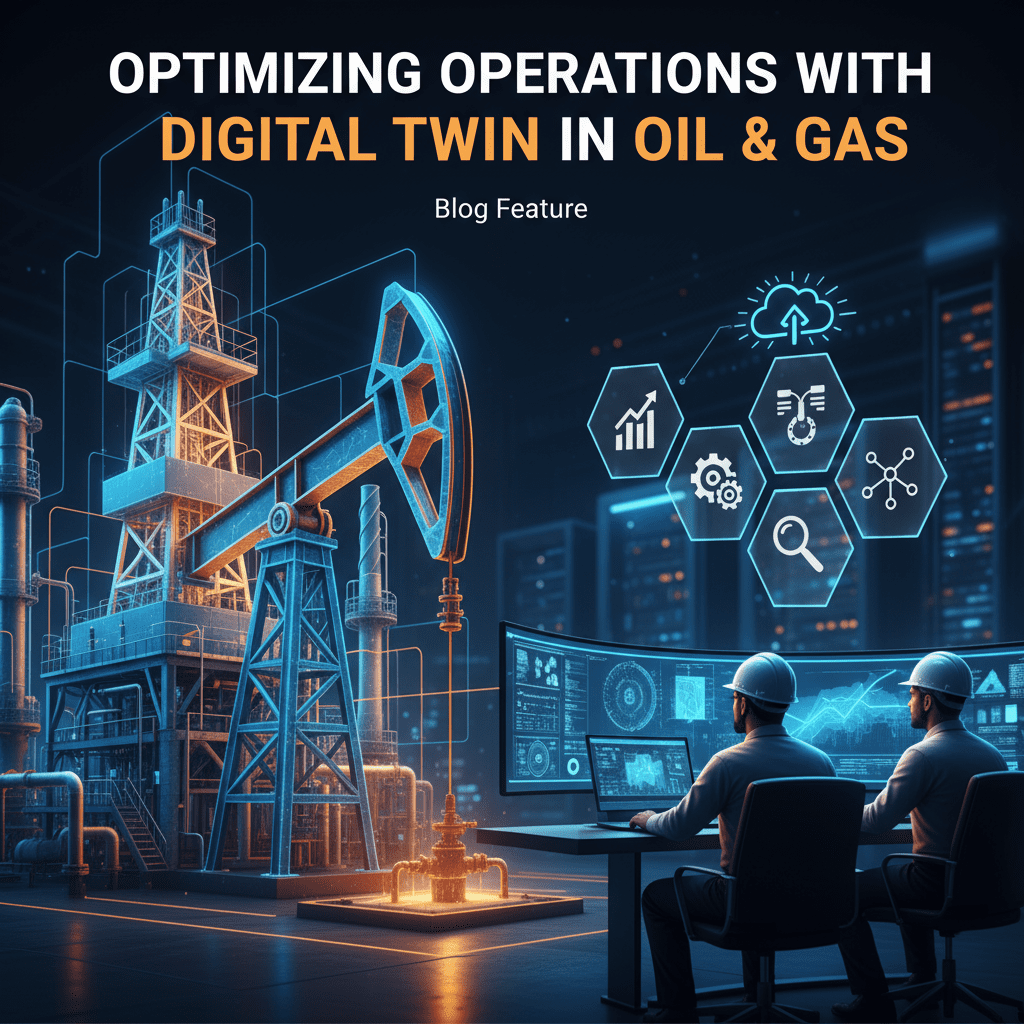
Optimizing Operations with Digital Twin in Oil and Gas

Introduction The oil and gas industry operates in a complex, high-risk environment where operational efficiency, safety, and cost management are critical. Digital twin technology—virtual replicas of physical assets or processes—is transforming how this sector monitors, manages, and optimizes its operations. By integrating real-time data with advanced simulations, digital twins enable companies to predict issues, enhance safety, and drive operational excellence. This blog explores practical use cases, benefits, common challenges, and solutions related to digital twins in oil and gas. What is a Digital Twin in Oil and Gas? A digital twin is a dynamic, virtual model mirroring the behavior of physical oil and gas assets like pipelines, refineries, or drilling rigs. Using IoT sensor data, AI, machine learning, and cloud computing, it provides continuous insights into performance, condition, and potential risks. Use Cases of Digital Twins in Oil and Gas 1. Predictive Maintenance Digital twins monitor equipment health to forecast failures before they happen, minimizing unplanned downtime and repair costs. 2. Asset Lifecycle Management Virtual replicas track assets from design and construction through operation to decommissioning, optimizing utilization and ROI. 3. Remote Monitoring and Control Operators can manage offshore platforms and remote sites through digital twins, making real-time data-driven decisions. 4. Process Optimization Simulations help refine production workflows, reduce energy consumption, and enhance output quality. 5. Workforce Training & Safety Simulations Virtual environments enable safe training for hazardous scenarios, improving preparedness and reducing accidents. Benefits of Digital Twin Technology Increased Operational Efficiency by providing real-time monitoring and data-driven insights. Enhanced Safety and Risk Management through virtual testing of scenarios and predictive alerts. Cost Reduction from optimized maintenance, less downtime, and efficient resource allocation. Sustainability Improvements by reducing emissions and aligning with environmental regulations. Improved Decision-Making leveraging AI and analytics integrated with digital twins. Challenges in Digital Twin Adoption Data Integration Complexity from heterogeneous sources and formats. High Initial Investment and Implementation Costs. Cybersecurity Risks associated with connected assets. Skills Gap in digital technologies and change management. Data Privacy and Ownership Concerns. Solutions and Best Practices Use cloud-based digital twins to reduce upfront costs and improve scalability. Integrate AI, IoT, and blockchain to enhance analytics, security, and data integrity. Invest in digital upskilling and training for workforce readiness. Develop comprehensive data governance policies to address privacy and compliance. Pilot projects with clear KPIs to demonstrate ROI and gradually scale adoption. Conclusion Digital twin technology offers transformative potential for the oil and gas industry by enabling smarter, safer, and more efficient operations. Despite challenges, the integration of digital twins with AI, IoT, and cloud computing will redefine future energy production and asset management. For tailored digital twin solutions and AI consulting in oil and gas, explore TechOTD AI Services and continue learning through the TechOTD Blog.

enterprise

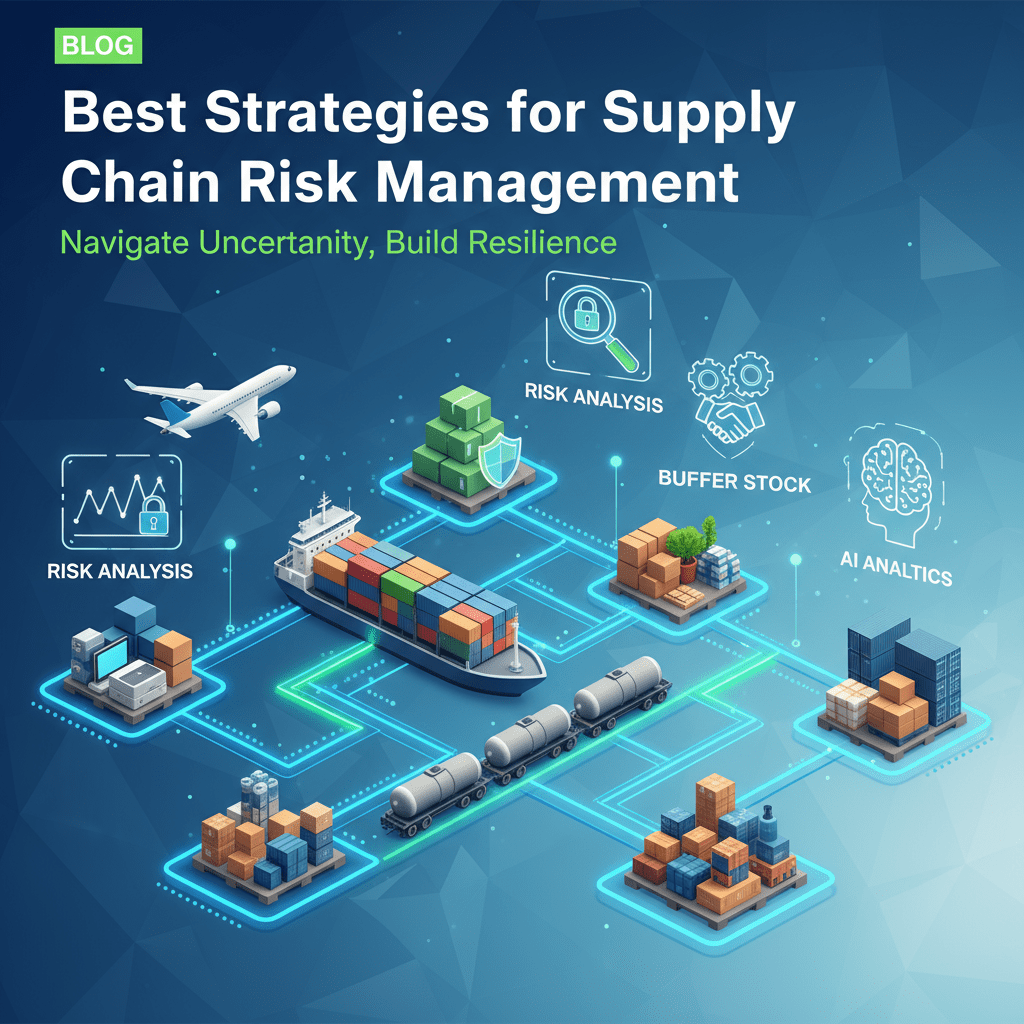
Best Strategies for Supply Chain Risk Management

Introduction Supply chain risk management has become a top priority for organizations due to geopolitics, climate events, cyber threats, and unpredictable global disruptions. Businesses need robust frameworks and proactive strategies to secure continuity, minimize losses, and ensure long-term resilience in 2025. Diversify the Supplier Base Relying on a single supplier exposes companies to disruption risks. Multi-sourcing and geographic diversification reduce the impact of localized events and create backup capabilities for critical supplies. Nearshoring and Regionalization Locating suppliers closer to operations or markets shortens lead times and mitigates risks associated with global transport delays, tariffs, or geopolitical issues. Nearshoring also increases control and responsiveness in volatile scenarios. Enhance Supply Chain Visibility Leveraging digital tools (IoT, blockchain, real-time dashboards) provides transparency across supplier tiers, shipment status, and inventory levels. Visibility enables faster detection and mitigation of disruptions. Scenario Planning and Stress Testing Run regular scenario analyses and stress tests to reveal vulnerabilities in supply chain networks. Realistic modeling for natural disasters, cyber incidents, or supplier insolvency enables preparation and rapid response. Safety Stock and Redundant Inventory Maintain buffer inventory and safety stock for critical products to mitigate supply disruptions or demand spikes, protecting business continuity. Strategic Supplier Relationships Build partnerships and collaborate closely with suppliers—share forecasts, risk data, and contingency plans for mutual support during crises. Invest in Digital and AI Tools Adopt supply chain mapping, predictive analytics, and automation to sense early warnings, model risks, and automate risk response for greater resilience. Cybersecurity Integration Protect supply chains from escalating cyber threats by implementing end-to-end security protocols, monitoring supplier IT risk, and securing contracts and information exchanges. Regular Risk Assessments and Training Conduct frequent supply chain risk reviews and educate internal teams about risk awareness and mitigation, ensuring organizational preparedness for emerging threats. Conclusion Effective supply chain risk management requires a mix of prudent planning, technology adoption, supplier collaboration, and ongoing monitoring. By implementing these best strategies, organizations can handle disruption confidently, secure operations, and build lasting resilience against future challenges. For advanced supply chain risk solutions and AI-powered analytics, explore TechOTD AI Services and learn more on the TechOTD Blog. Would you like a checklist or template for supply chain risk management planning?

Internet of Things

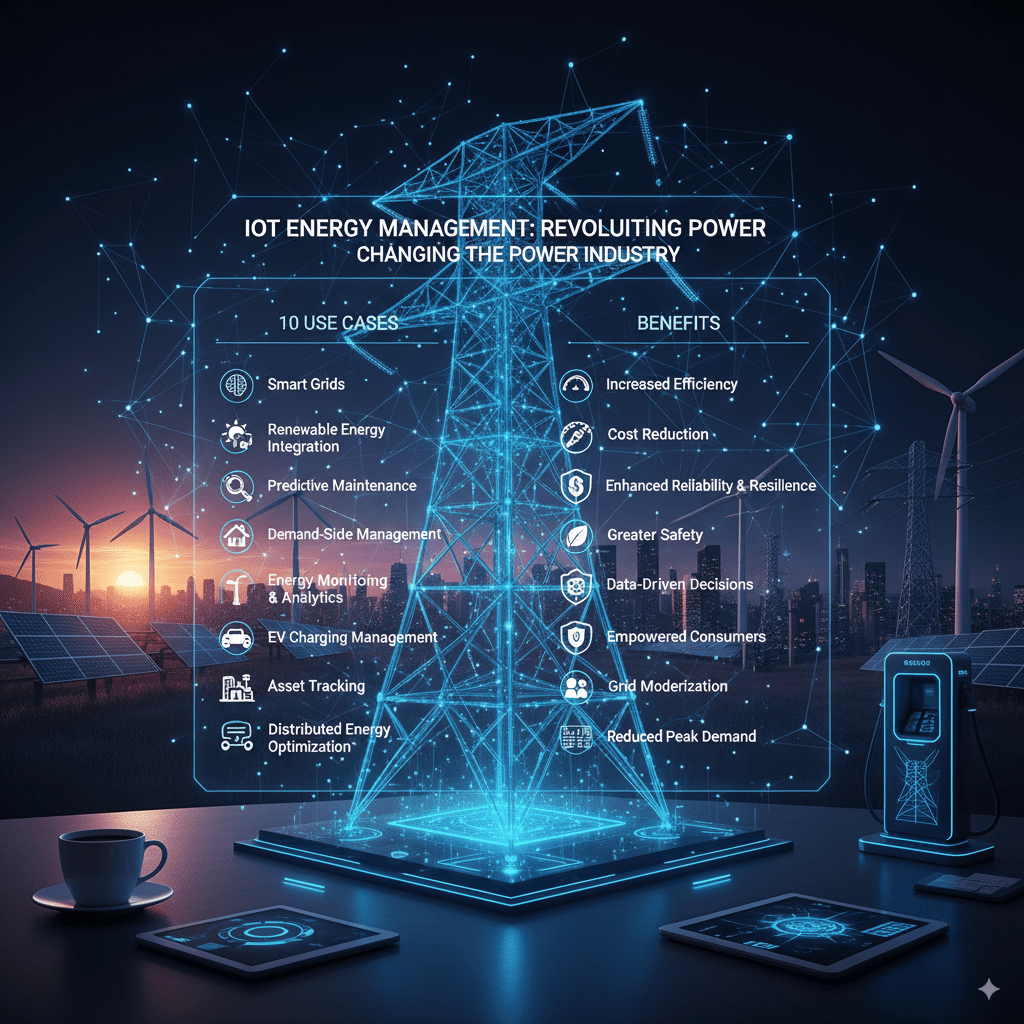
10 Use Cases and Benefits of IoT Energy Management Changing the Power Industry

Introduction The adoption of Internet of Things (IoT) technology is revolutionizing energy management across industries. By enabling real-time monitoring, automation, and data-driven optimization, IoT solutions help reduce costs, increase efficiency, and support sustainability goals. In the dynamically evolving power industry, IoT is a game-changer, transforming how energy is generated, distributed, and consumed. Here are 10 impactful IoT use cases in energy management and the benefits that are reshaping the power landscape in 2025. 1. Smart Commercial Buildings IoT devices optimize lighting, HVAC systems, and energy consumption based on occupancy and time of day. Automated control reduces unnecessary energy use and cuts costs in offices, warehouses, and retail spaces. 2. Smart Metering and Real-Time Energy Monitoring IoT-enabled smart meters provide granular usage data for consumers and utilities. This helps track energy consumption patterns, detect inefficiencies, and optimize demand response strategies. 3. Predictive Maintenance for Energy Assets IoT sensors monitor equipment health indicators such as temperature and vibration to anticipate failures before they occur, reducing downtime and maintenance costs. 4. Automated Energy Optimization By analyzing real-time data on environmental conditions and usage, IoT systems can dynamically adjust energy consumption, such as dimming lights or modulating HVAC, resulting in efficient resource use. 5. Integration of Renewable Energy Sources IoT manages and monitors solar panels, wind turbines, and other green energy assets. It enables smarter distribution, load balancing, and storage, supporting grid stability and sustainability. 6. Demand Response Management Utilities leverage IoT data to adjust supply dynamically in response to consumer demand spikes, minimizing blackouts and optimizing grid performance. 7. Energy Theft and Fault Detection IoT sensors detect anomalies indicating theft or faults in the grid infrastructure, improving security and reducing revenue losses. 8. Grid Automation and Remote Control IoT-enabled automation allows utilities to remotely monitor and manage substations, transformers, and distribution networks, improving reliability and reducing operating costs. 9. Asset Lifecycle Management IoT tracks energy infrastructure usage metrics and conditions to optimize replacements, upgrades, and budgeting, extending asset life and enhancing ROI. 10. Enhanced Consumer Engagement Consumers receive actionable insights through IoT-powered apps and devices, promoting energy-saving behaviors and enabling participation in energy markets (e.g., trading surplus solar energy). Benefits Cost Savings: Reduced energy waste cuts operational expenses. Energy Efficiency: Optimized consumption and supply balancing enhance system performance. Sustainability: Supports green energy adoption and reduces carbon footprint. Operational Transparency: Real-time data improves decision-making and regulatory compliance. Improved Reliability: Predictive maintenance and fault detection minimize outages. User Empowerment: Engages consumers in managing their energy usage actively. Conclusion IoT energy management is a cornerstone of the future power industry—creating smarter, cleaner, and more resilient energy ecosystems. Businesses, utilities, and consumers alike stand to benefit from adopting connected energy solutions and leveraging data-driven insights. For expert guidance on integrating IoT and AI into energy management, explore TechOTD AI Services and stay updated with innovations on the TechOTD Blog. Would you like a detailed technical overview or case studies illustrating IoT impact in energy?# 10 Use Cases and Benefits of IoT Energy Management Changing the Power Industry Introduction The adoption of Internet of Things (IoT) technology is revolutionizing energy management across industries. By enabling real-time monitoring, automation, and data-driven optimization, IoT solutions help reduce costs, increase efficiency, and support sustainability goals. In the dynamically evolving power industry, IoT is a game-changer, transforming how energy is generated, distributed, and consumed. Here are 10 impactful IoT use cases in energy management and the benefits that are reshaping the power landscape in 2025. 1. Smart Commercial Buildings IoT devices optimize lighting, HVAC systems, and energy consumption based on occupancy and time of day. Automated control reduces unnecessary energy use and cuts costs in offices, warehouses, and retail spaces. 2. Smart Metering and Real-Time Energy Monitoring IoT-enabled smart meters provide granular usage data for consumers and utilities. This helps track energy consumption patterns, detect inefficiencies, and optimize demand response strategies. 3. Predictive Maintenance for Energy Assets IoT sensors monitor equipment health indicators such as temperature and vibration to anticipate failures before they occur, reducing downtime and maintenance costs. 4. Automated Energy Optimization By analyzing real-time data on environmental conditions and usage, IoT systems can dynamically adjust energy consumption, such as dimming lights or modulating HVAC, resulting in efficient resource use. 5. Integration of Renewable Energy Sources IoT manages and monitors solar panels, wind turbines, and other green energy assets. It enables smarter distribution, load balancing, and storage, supporting grid stability and sustainability. 6. Demand Response Management Utilities leverage IoT data to adjust supply dynamically in response to consumer demand spikes, minimizing blackouts and optimizing grid performance. 7. Energy Theft and Fault Detection IoT sensors detect anomalies indicating theft or faults in the grid infrastructure, improving security and reducing revenue losses. 8. Grid Automation and Remote Control IoT-enabled automation allows utilities to remotely monitor and manage substations, transformers, and distribution networks, improving reliability and reducing operating costs. 9. Asset Lifecycle Management IoT tracks energy infrastructure usage metrics and conditions to optimize replacements, upgrades, and budgeting, extending asset life and enhancing ROI. 10. Enhanced Consumer Engagement Consumers receive actionable insights through IoT-powered apps and devices, promoting energy-saving behaviors and enabling participation in energy markets (e.g., trading surplus solar energy). Benefits Cost Savings: Reduced energy waste cuts operational expenses. Energy Efficiency: Optimized consumption and supply balancing enhance system performance. Sustainability: Supports green energy adoption and reduces carbon footprint. Operational Transparency: Real-time data improves decision-making and regulatory compliance. Improved Reliability: Predictive maintenance and fault detection minimize outages. User Empowerment: Engages consumers in managing their energy usage actively. > Conclusion IoT energy management is a cornerstone of the future power industry—creating smarter, cleaner, and more resilient energy ecosystems. Businesses, utilities, and consumers alike stand to benefit from adopting connected energy solutions and leveraging data-driven insights. For expert guidance on integrating IoT and AI into energy management, explore TechOTD AI Services and stay updated with innovations on the TechOTD Blog.

Digital Transformation

Digital Transformation Strategies You’ll Wish You Knew Sooner

Introduction Digital transformation is no longer a buzzword—it’s a fundamental push shaping how organizations deliver value, innovate, and stay competitive in rapidly evolving markets. Yet, most businesses face unexpected hurdles, costly investments, and missed opportunities simply because they overlook key strategies that drive real results. This blog reveals the digital transformation strategies that lead to lasting impact—and that you’ll wish you applied earlier. 1. Prioritize Integration, Not Just Implementation Many organizations make the mistake of deploying digital tools in silos. Instead, develop integrative solutions that easily connect systems, streamline workflows, and enable cross-functional collaboration. A well-connected digital ecosystem powers automation and improves operational efficiency. 2. Embrace User-Centric Innovation Digital platforms must be user-friendly—whether for customers or employees. Intuitive design and robust usability testing result in higher adoption and satisfaction. Focus innovations on real needs, ensuring technology enhances daily work and customer experiences. 3. Run Parallel Systems During Transition Avoid downtime by maintaining legacy systems while experimenting with new digital solutions. This reduces operational risks and enables safe, staged modernization, such as piloting AI-powered processes alongside manual workflows before full migration. 4. Move Away from Legacy Technologies—Smartly Don’t let outdated infrastructure slow growth. Upgrade and automate with cloud platforms, scalable data analytics, and AI-powered tools. This move strengthens flexibility and helps future-proof the business without the pain of abrupt change. 5. Invest in R&D and Continuous Learning Allocate resources for digital R&D and organizational upskilling. Businesses that foster ongoing learning and innovation outperform their peers, especially when embracing technologies like AI, IoT, and predictive analytics to gain actionable insights. 6. Use Data Analytics for Real-Time Optimization Integrate real-time data analytics platforms to monitor KPIs, optimize workflows, and enable informed, proactive decision-making. Data-driven transformation leads to better forecasting and agile business development. 7. Build a Digital-First Culture Digital success depends on people as much as technology. Encourage a culture of experimentation, resilience, and collaboration. Cross-functional teams and digital champions accelerate transformation and break down silos. 8. Strengthen Ecosystem Partnerships Collaborate with tech, data, and value chain partners to address complexity and deliver superior customer outcomes. Ecosystem strategies enable differentiated service offerings and unlock additional value. 9. Automate Where It Matters Most Automate core processes—customer support, supply chain, and operations—with AI and digital solutions. Automation reduces manual workloads, minimizes errors, and frees up resources for value-driven initiatives. Conclusion The most effective digital transformation strategies are not about implementing more technology, but about creating integrated, user-focused, data-driven, and agile organizations. By putting these proven strategies into practice sooner, leaders can unlock new business opportunities, drive innovation, and avoid the pitfalls that stall progress. For actionable guidance, explore AI-driven transformation and continuous improvement resources with TechOTD AI Services and stay updated via the TechOTD Blog.

Cloud

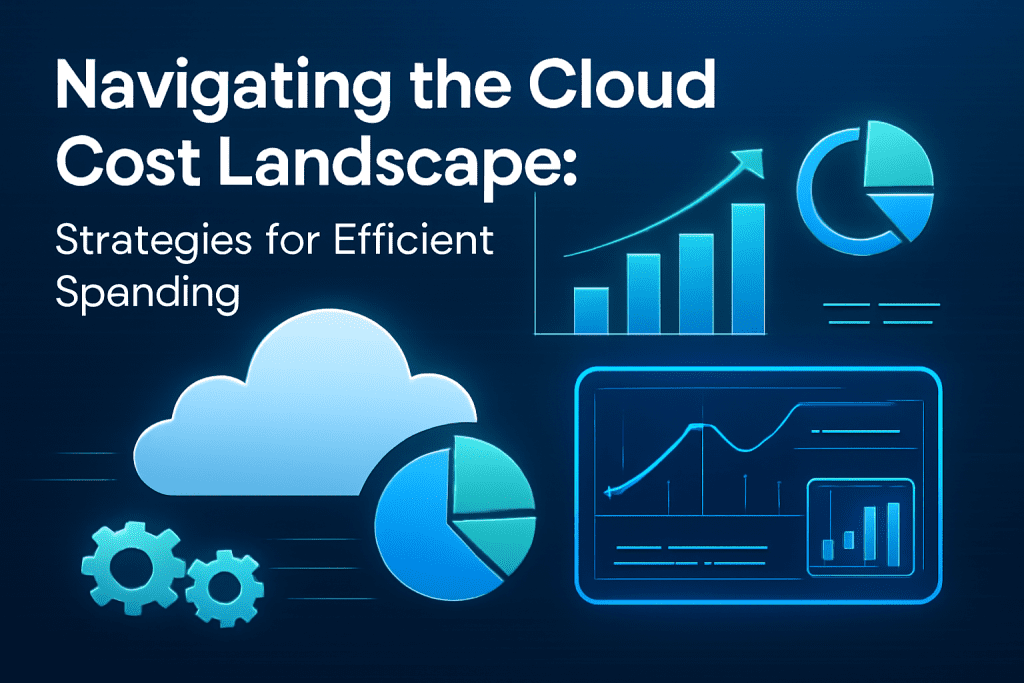
Navigating the Cloud Cost Landscape: Strategies for Efficient Spending

Introduction Cloud computing has become indispensable for businesses seeking scalability, agility, and innovation. However, while the cloud offers immense benefits, managing its costs effectively remains a significant challenge. Without a clear strategy, cloud expenses can quickly spiral out of control, leading to wasted resources and budget overruns. This blog explores the cloud cost landscape, common pitfalls, and practical strategies for businesses to optimize cloud spending without compromising performance or security. Leveraging smart management techniques and emerging AI-driven tools, organizations can make their cloud investments more efficient and aligned with business goals. Understanding the Cloud Cost Landscape Cloud costs vary widely depending on service models (IaaS, PaaS, SaaS), providers (AWS, Azure, Google Cloud), workloads, and usage patterns. Key areas influencing costs include: Compute Resources: Virtual machines, containers, serverless functions Storage: Block storage, object storage, backup solutions Data Transfer: Network egress and ingress charges Managed Services: Databases, AI/ML services, analytics platforms Support and Licensing: Premium support, third-party licenses Many organizations experience “cloud sprawl,” where unused or underutilized resources add unnecessary costs. Strategies for Efficient Cloud Spending 1. Adopt Cloud Cost Visibility and Monitoring Tools Real-time cost monitoring platforms and dashboards provide transparency across teams and projects. Tools like AWS Cost Explorer, Azure Cost Management, or third-party solutions enable cost attribution and anomaly detection. 2. Rightsize Resources Match service levels to actual workload demands. Continuously analyze compute and storage usage to downsize oversized instances or consolidate underused resources. 3. Leverage Reserved and Spot Instances For predictable workloads, reserved instances offer significant discounts over on-demand pricing. Spot instances provide cheaper compute capacity for flexible, fault-tolerant tasks. 4. Automate Resource Scheduling Use automation to shut down non-production resources during off-hours, reducing idle time charges. 5. Optimize Storage Costs Implement lifecycle policies to transition data to cheaper tiers (e.g., archive storage). Delete unused snapshots and backups. 6. Implement Governance and Budget Controls Define cloud spending budgets, policies, and approval workflows to prevent uncontrolled provisioning. Utilize tagging for cost allocation and accountability. 7. Utilize Multi-Cloud or Hybrid Strategies Wisely Choosing cost-effective services across providers can optimize spending but requires careful management to avoid complexity overhead. 8. Incorporate AI and Predictive Analytics Leverage AI-powered cloud management tools for forecasting, anomaly detection, and automated optimization (see AI-driven solutions). Benefits of Efficient Cloud Cost Management Significant cost savings and better budget predictability Improved operational efficiency and resource utilization Greater agility to innovate without financial constraints Enhanced security and compliance through structured resource governance Conclusion Navigating the complex cloud cost landscape requires proactive management, cross-functional collaboration, and smart technology adoption. Businesses embracing cost transparency, automation, and AI-driven insights are better positioned to maximize the value of their cloud investments while controlling expenses. For organizations seeking tailored cloud cost strategies, AI-driven optimization, and ongoing consultation, TechOTD AI Services offers expert guidance. Stay ahead with the latest tech insights on the TechOTD Blog.

Restaurent

How Much Does It Cost to Build an App Like DoorDash?

Introduction The booming on-demand food delivery market has made apps like DoorDash household names, offering convenience, choice, and speed. Building a comparable app means creating a multi-faceted system integrating customer ordering, real-time driver tracking, payment processing, restaurant management, and much more. This blog breaks down the key features, development phases, technology stack, and estimated costs associated with building an on-demand food delivery app like DoorDash in 2025. It also highlights ways to optimize budget while delivering a robust, scalable solution. Key Features of a DoorDash-like App 1. User App for Customers Registration/login Browse restaurants and menus Real-time order tracking and notifications Multiple payment gateway integrations Ratings and reviews 2. Delivery Driver App Profile management Order acceptance/rejection GPS navigation and route optimization Earnings and payout tracking Real-time status updates 3. Restaurant Partner App Menu management Order notifications and status updates Sales and analytics dashboard Promotional tools 4. Admin Panel User, driver, and restaurant management Order management and monitoring Payment and commission management Analytics and reports Customer support and dispute handling Technology Stack Recommendations Front-end: React Native (for cross-platform mobile apps) Back-end: Node.js, Python Django Database: PostgreSQL, MongoDB Cloud Hosting: AWS, Azure, or Google Cloud APIs: Google Maps (for navigation), Payment gateways (Stripe, PayPal) Push Notifications: Firebase Cloud Messaging Real-time Updates: Socket.io or similar AI Enhancements: Predictive delivery times, demand forecasting (see AI-driven solutions) Development Timeline Discovery & Planning: 2–4 weeks UI/UX Design: 4–6 weeks Backend & API Development: 8–12 weeks Mobile App Development (iOS & Android): 8–10 weeks Testing & Deployment: 4 weeks Total: 5–7 months approximately Cost Estimation App Component Estimated Cost (USD) Customer App $40,000 – $70,000 Delivery Driver App $30,000 – $50,000 Restaurant App $25,000 – $45,000 Admin Panel $20,000 – $40,000 Backend & API $30,000 – $60,000 Testing & QA $15,000 – $30,000 Project Management $10,000 – $25,000 Total $170,000 – $320,000+ Cost Influencing Factors Feature complexity and AI integration Design sophistication and customization Third-party integrations Development team’s location and expertise Ongoing maintenance and scaling needs Tips to Optimize Development Cost Start with an MVP focusing on core features Use cross-platform frameworks like React Native Outsource to cost-effective, yet experienced teams Leverage cloud services to reduce infrastructure expenses Incorporate AI-driven features after initial launch (Learn more) Conclusion Building an app like DoorDash requires a significant financial commitment, but with strategic planning, smart technology choices, and AI-powered optimizations (Explore AI solutions), it is achievable. A feature-rich, scalable app can capture the opportunities in the fast-growing food delivery marketplace. For detailed guidance, development services, and ongoing innovation insights, consult TechOTD AI Services and stay updated with evolving trends via the TechOTD Blog.

Scroll to Top