Digital Transformation

Digital Transformation

Digital Transformation Strategies You’ll Wish You Knew Sooner

Introduction Digital transformation is no longer a buzzword—it’s a fundamental push shaping how organizations deliver value, innovate, and stay competitive in rapidly evolving markets. Yet, most businesses face unexpected hurdles, costly investments, and missed opportunities simply because they overlook key strategies that drive real results. This blog reveals the digital transformation strategies that lead to lasting impact—and that you’ll wish you applied earlier. 1. Prioritize Integration, Not Just Implementation Many organizations make the mistake of deploying digital tools in silos. Instead, develop integrative solutions that easily connect systems, streamline workflows, and enable cross-functional collaboration. A well-connected digital ecosystem powers automation and improves operational efficiency. 2. Embrace User-Centric Innovation Digital platforms must be user-friendly—whether for customers or employees. Intuitive design and robust usability testing result in higher adoption and satisfaction. Focus innovations on real needs, ensuring technology enhances daily work and customer experiences. 3. Run Parallel Systems During Transition Avoid downtime by maintaining legacy systems while experimenting with new digital solutions. This reduces operational risks and enables safe, staged modernization, such as piloting AI-powered processes alongside manual workflows before full migration. 4. Move Away from Legacy Technologies—Smartly Don’t let outdated infrastructure slow growth. Upgrade and automate with cloud platforms, scalable data analytics, and AI-powered tools. This move strengthens flexibility and helps future-proof the business without the pain of abrupt change. 5. Invest in R&D and Continuous Learning Allocate resources for digital R&D and organizational upskilling. Businesses that foster ongoing learning and innovation outperform their peers, especially when embracing technologies like AI, IoT, and predictive analytics to gain actionable insights. 6. Use Data Analytics for Real-Time Optimization Integrate real-time data analytics platforms to monitor KPIs, optimize workflows, and enable informed, proactive decision-making. Data-driven transformation leads to better forecasting and agile business development. 7. Build a Digital-First Culture Digital success depends on people as much as technology. Encourage a culture of experimentation, resilience, and collaboration. Cross-functional teams and digital champions accelerate transformation and break down silos. 8. Strengthen Ecosystem Partnerships Collaborate with tech, data, and value chain partners to address complexity and deliver superior customer outcomes. Ecosystem strategies enable differentiated service offerings and unlock additional value. 9. Automate Where It Matters Most Automate core processes—customer support, supply chain, and operations—with AI and digital solutions. Automation reduces manual workloads, minimizes errors, and frees up resources for value-driven initiatives. Conclusion The most effective digital transformation strategies are not about implementing more technology, but about creating integrated, user-focused, data-driven, and agile organizations. By putting these proven strategies into practice sooner, leaders can unlock new business opportunities, drive innovation, and avoid the pitfalls that stall progress. For actionable guidance, explore AI-driven transformation and continuous improvement resources with TechOTD AI Services and stay updated via the TechOTD Blog.

news & events

Google Acquires AppSheet: A Leap Forward in No-Code Mobile App Development

Introduction In a significant move advancing the no-code development landscape, Google has officially acquired AppSheet, a leading no-code mobile app development platform. This acquisition marks a strategic step by Google to empower businesses and citizen developers to create powerful mobile and web applications without writing traditional code. By integrating AppSheet’s capabilities with Google Cloud’s robust infrastructure and AI tools, Google aims to revolutionize application development and accelerate digital transformation across industries. This blog explores the details of Google’s acquisition of AppSheet, its implications for the no-code market, how it benefits enterprises, and the future of app development powered by AI and cloud. For deeper insights on AI-enhanced software development and cloud solutions, explore TechOTD’s AI services and their technology blog. What is AppSheet? AppSheet is a no-code development platform that enables users to build customized mobile and web applications using data sources like Google Sheets, Excel, and cloud databases. It offers an intuitive drag-and-drop interface, automation capabilities, and integration with various SaaS tools, allowing business users and developers to rapidly prototype and deploy apps tailored to specific workflows without writing code. Why Google Acquired AppSheet? 1. Democratizing App Development Google’s acquisition endorses its philosophy of making technology accessible to everyone, enabling “citizen developers” to innovate independently within organizations. 2. Enhancing Google Cloud Offerings AppSheet enriches Google Cloud’s ecosystem by adding powerful no-code tools, facilitating faster digital transformation and adoption of cloud-native application models. 3. Accelerating AI Integration Combined with Google’s AI and machine learning technologies, AppSheet apps can incorporate intelligent automation, predictive analytics, and personalized experiences seamlessly. Benefits to Businesses and Developers Fast, Cost-Effective Development: Business teams can deploy apps to address operational needs without lengthy coding cycles. Reduced Dependence on IT: Non-technical users gain autonomy to build and modify apps, lightening IT burdens. Integration with Google Workspace: Smooth workflows with Google Sheets, Drive, BigQuery, and other cloud services. Scalable and Secure: Deployed on Google Cloud infrastructure with enterprise-grade security and compliance. Learn how predictive analytics and AI enhance such app solutions: Predictive Analytics Software Development. The Future of No-Code and Low-Code Development The acquisition underscores a broader industry trend toward no-code/low-code platforms, which are revolutionizing software development by: Expanding developer ecosystems and speeding innovation Enabling rapid response to business process changes Reducing software development backlogs and costs At the same time, challenges remain around governance, integration, and scaling no-code applications securely. How TechOTD Supports No-Code Innovation TechOTD helps businesses leverage no-code and low-code platforms alongside traditional development to build hybrid solutions tailored for scalability and performance. Their AI-powered tools assist rapid prototyping, integration, and process automation for digital success. Discover their mobile and AI solutions here: TechOTD Mobile and AI Services. Conclusion Google’s acquisition of AppSheet is a game-changer, making no-code app development more accessible, scalable, and intelligent. By blending AppSheet’s ease of use with Google Cloud’s powerful AI and infrastructure, businesses can accelerate digital transformation while empowering non-technical users to innovate rapidly. This milestone signals a future where software creation is a collaborative, inclusive process supported by AI-driven tools. Stay updated on the latest in app development and AI technologies with TechOTD’s expert insights at TechOTD Blog. FAQs Q1: What is AppSheet’s core offering? A no-code platform for building mobile and web apps using existing data sources and drag-and-drop tools. Q2: How does Google benefit from acquiring AppSheet? It enhances Google Cloud’s portfolio with powerful no-code development capabilities and AI integration. Q3: Who can benefit from AppSheet? Both business users without coding skills and professional developers streamline app development. Q4: What industries can leverage no-code platforms? Virtually all, including healthcare, finance, retail, manufacturing, and logistics. Q5: Does AppSheet integrate with AI and analytics? Yes, especially post-acquisition, it is increasingly integrated with Google’s AI and predictive analytics services.

Mobile App Development

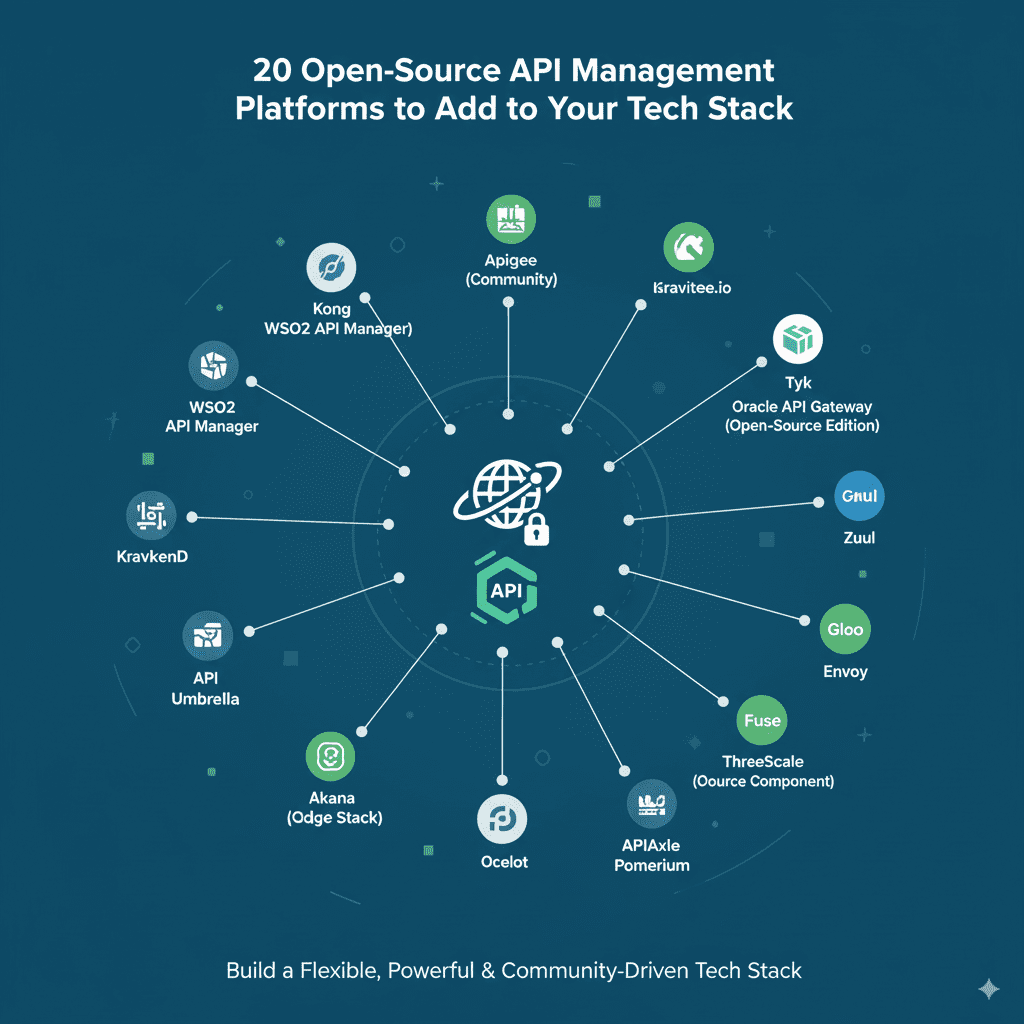
20 Open-Source API Management Platforms to Add to Your Tech Stack

Introduction In today’s fast-evolving digital landscape, APIs (Application Programming Interfaces) play a pivotal role in enabling seamless communication between software systems, driving innovation, and accelerating time-to-market. Efficiently managing APIs across development, deployment, security, and monitoring stages is critical for business agility. This is where API management platforms come into play—empowering organizations to publish, secure, monitor, and scale APIs effectively. Open-source API management platforms provide the flexibility, cost-efficiency, and community-driven innovations that many organizations seek. Whether you are a startup building your technology stack or an enterprise looking to optimize API lifecycle management, integrating the right open-source solutions is key. This blog explores 20 powerful open-source API management platforms to consider adding to your tech stack, describing their key features and use cases. For digital transformation insights and related technology trends, explore TechOTD’s AI and tech blog and their extensive AI service offerings. Top 20 Open-Source API Management Platforms 1. Kong A scalable, cloud-native API gateway with features like traffic control, authentication, and analytics. Kong supports plugins for flexibility and is widely adopted for microservices architectures. 2. Tyk Full lifecycle API management with a powerful gateway, analytics, developer portal, and dashboard. Tyk supports hybrid deployments and advanced security protocols. 3. Apiman Red Hat’s open-source API manager offering governance, rate limiting, and security. It integrates well with Java-based environments and supports customizable policies. 4. WSO2 API Manager An open-source enterprise-grade API management solution providing API publishing, lifecycle management, security, and analytics. Supports on-premises and cloud deployment. 5. Gravitee.io Lightweight and modular, Gravitee.io offers an API gateway, developer portal, and management tools with a user-friendly interface. 6. KrakenD An ultra-high-performance API gateway focused on aggregating multiple backend services into a single API endpoint. It simplifies API transformation and scaling. 7. Express Gateway An open-source API gateway built on Node.js, ideal for teams looking for lightweight, customizable API management with policy-driven security. 8. Zuul Netflix’s highly scalable gateway solution designed for routing and filtering requests in microservices environments. Features dynamic routing and resiliency. 9. Ambassador A Kubernetes-native API gateway built on Envoy proxy, offering fast API routing, authentication, and observability for cloud-native apps. 10. Ocelot A .NET API Gateway designed for simple, rapid deployment with support for routing, rate limiting, and authentication. 11. API Umbrella Open-source API management platform providing unified authentication, rate limiting, caching, and analytics. 12. Wrench Designed for simplified API running and monitoring with built-in support for health checks, rate limiting, and logging. 13. Janus A high-performance API gateway written in Golang that supports plugin-based extensions and dynamic routing. 14. Fusio API management platform focusing on API automation, analytics, and auto-documentation, suitable for PHP environments. 15. Kong Mesh Built on top of Kong Gateway, offers service mesh capabilities for microservices environments emphasizing security and observability. 16. KrakenD Enterprise Edition (CE available) Enables complex API composition with robust caching, rate limiting, and middleware support. 17. Apisix A dynamic, real-time, cloud-native API gateway based on Nginx and OpenResty, providing flexible routing and plugin systems. 18. Tyk Hybrid Open-source core with options for hosted cloud dashboard services; focuses on high-scale API operations and developer experience. 19. WSO2 Microgateway Modular API gateway optimized for microservices, integrating with Kubernetes and service mesh environments. 20. Spring Cloud Gateway Designed for Spring Boot applications, offering a simple yet effective way to route API requests with integrated security mechanisms. Benefits of Using Open-Source API Management Platforms Cost Efficiency: Eliminate expensive licensing fees with open-source solutions. Flexibility: Customize and extend platforms to meet unique business requirements. Community Support: Benefit from active communities and rapid innovation cycles. Transparency and Control: Full access to code for auditing and compliance. Seamless Integration: Easily integrate with existing frameworks and cloud environments. Choosing the Right API Management Platform Factors to consider: Deployment model compatibility (on-premises, cloud, hybrid). Scalability and performance needs. Security and compliance features. Developer experience and ecosystem. Integration with analytics and monitoring tools. For expert guidance and custom API solutions development leveraging AI and cloud, consult with TechOTD’s services. Conclusion API management platforms are indispensable tools in the digital ecosystem, enabling businesses to securely expose and monetize their services. The open-source options listed above provide robust, scalable, and flexible capabilities suitable for a vast range of use cases from startups to enterprises. Selecting the right platform aligned with your technology landscape and strategic goals will empower accelerated innovation and superior API performance. Explore more on APIs and digital transformation trends with TechOTD here: TechOTD Blog. FAQs Q1: What is an API management platform? It’s a tool that helps design, secure, publish, monitor, and analyze APIs across their lifecycle. Q2: Are open-source API platforms reliable for enterprises? Many leading companies use open-source solutions for their flexibility, cost-effectiveness, and community support. Q3: What features should I prioritize when selecting an API management platform? Security, scalability, ease of integration, and developer tools are key priorities. Q4: Can API management platforms improve developer productivity? Yes, they offer tools like developer portals, documentation, and analytics that simplify API consumption and support. Q5: How does AI enhance API management? AI can optimize traffic routing, detect anomalies, and automate policy enforcement for smarter API governance.

Digital Transformation, Uncategorized

Digital Twins Driving Innovation in the Energy Sector: Benefits, Use Cases, and Real Examples

Introduction The energy sector is undergoing a digital revolution⁠—and digital twin technology sits at its core. By creating virtual replicas of physical assets, processes, or systems, digital twins enable real-time monitoring, simulation, and predictive analysis. This innovation helps energy companies optimize performance, reduce costs, and achieve sustainability goals, marking a fundamental shift in how energy is produced, managed, and consumed. Benefits of Digital Twins in the Energy Sector Revolutionized Predictive Maintenance Digital twins let energy companies move from reactive to predictive maintenance. Sensor-driven data and real-time analytics identify equipment issues before failures occur⁠—minimizing downtime, reducing maintenance costs, and extending asset lifespans. Unparalleled Energy Efficiency Virtual models allow operators to simulate and optimize energy production and consumption. This results in greater efficiency, lower operational costs, and reduced environmental impact. Enhanced Data-Driven Decision Making Digital twins provide rich, real-time insights. Companies can test operational strategies in a “risk-free” virtual environment before implementation, improving system reliability and reducing operational risk. Accelerated Innovation This technology enables rapid prototyping of new solutions. Energy companies can experiment and iterate virtually, fast-tracking development cycles and driving the adoption of next-gen technologies. Increased Safety and Reliability Continuous, real-time monitoring makes it easier to spot risks and vulnerabilities. This proactive stance improves system integrity, worker safety, and reliability of supply. Supporting Sustainability By simulating and analyzing resource use and environmental impacts, digital twins help energy operators align with strict sustainability goals, reduce waste, and comply with global environmental standards. Key Use Cases in the Energy Sector Wind Farm Optimization: Virtual models predict wear, simulate conditions, and optimize turbine placement/performance, increasing energy yield and minimizing boilerplate. Smart Grid Management: Digital twins of grids enable real-time monitoring, outage prediction, and optimal load distribution, making power systems more resilient. Refinery and Power Plant Operations: Digital twins simulate production processes, optimize workflows, minimize energy consumption, and reduce emissions. Energy Storage Systems: Operators use digital twin models to optimize battery and hydro-storage, resulting in smarter grid-balancing and resource allocation. Asset Lifecycle Management: In nuclear or large-scale power installations, digital twins track aging, predict failures, and optimize replacement schedules. Distributed Renewable Integration: Twins help assess real-time performance of solar and distributed renewables, streamlining grid integration. Real-World Examples Siemens Gas Turbines: Digital twins track turbine operations in real-time, enabling predictive maintenance and improved performance, significantly cutting costs. Shell Refineries: Shell uses refinery digital twins for operational simulations, enabling optimization, emission reduction, and proactive maintenance. Duke Energy: Digital twins help manage Duke’s distributed power grid, improving fault prediction and grid reliability. General Electric Wind Farms: GE leverages digital twins to maximize wind farm yield and reduce unplanned outages by continuously analyzing turbine data. Smart Cities (Singapore, Shanghai): Entire cities are modeled with digital twins for energy optimization, traffic flow, and urban planning. Future Trends AI/ML Integration: Combining artificial intelligence and digital twins unlocks deeper analytics and autonomous optimization. Edge Computing: Processes data closer to assets for faster response and increased autonomy. Cross-Domain Models: Integrating energy twins with supply chain, production, and environmental data for holistic management. Sustainability Modeling: Enhanced environmental simulations for compliance and carbon management. Conclusion Digital twins are transforming the energy industry, driving operational efficiency, cost reduction, innovation, and sustainability. Energy sector leaders embracing this technology are poised to achieve new benchmarks in reliability, competitiveness, and environmental stewardship. For more on the intersection of digital innovation and energy management—or support integrating AI, blockchain, and analytics with your operations—explore TechOTD AI Services and insights on TechOTD Blog.

enterprice

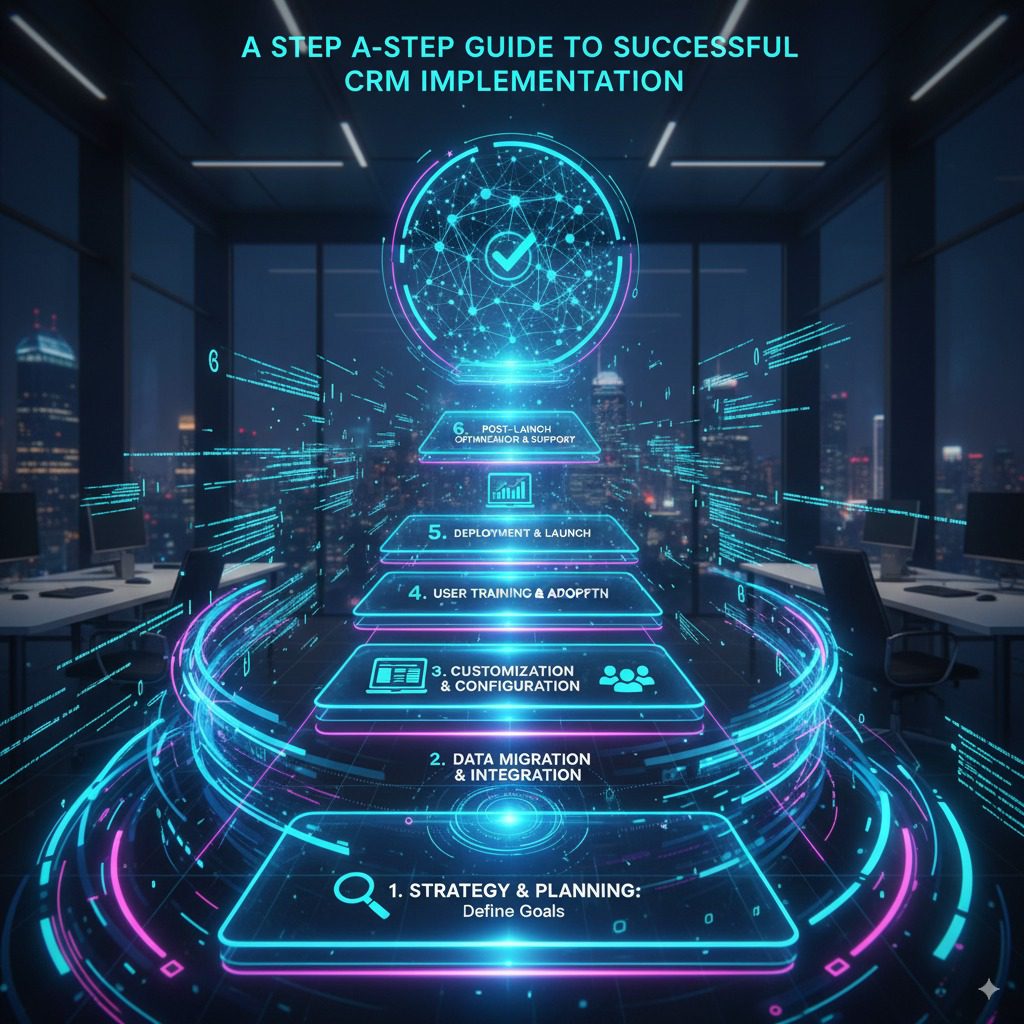
A Step-by-Step Guide to Successful CRM Implementation

Introduction Customer Relationship Management (CRM) implementation has become the backbone of modern businesses aiming to improve customer satisfaction, streamline processes, and boost revenues. However, the success of CRM implementation depends on adopting a structured, step-by-step approach. Without it, CRM projects can lead to cost overruns, poor user adoption, and unrealized business benefits. This blog provides a step-by-step CRM implementation guide, covering best practices, potential challenges, and the role of AI and analytics, with references to TechOTD Blog and TechOTD AI Services. Step 1: Define Clear Objectives and Business Needs Identify the core challenges your CRM should solve — lead management, customer service, or marketing automation. Align CRM implementation goals with overall business strategy. Set measurable KPIs for success. Step 2: Choose the Right CRM Solution Select a CRM platform that fits your business size, industry, and goals. Consider customization, scalability, integrations, and vendor support. Popular choices include Salesforce, HubSpot, Microsoft Dynamics, and Zoho CRM. Step 3: Plan Implementation and Build Your Team Create a detailed project plan with timelines, resources, and budget. Appoint a CRM project manager and cross-functional team. Secure executive sponsors to drive successful CRM implementation. Step 4: Data Preparation and Migration Audit, clean, and standardize customer data for accuracy and completeness. Define migration processes with validation checks. Ensure secure data transfer with minimal downtime. Step 5: Customize and Integrate Configure CRM workflows to match business needs. Integrate with ERP, marketing automation, and support systems. Use APIs and automation to maximize efficiency. Step 6: Training and Change Management Conduct role-based training for different teams. Provide resources and promote a culture of data-driven customer management. Communicate benefits to drive higher adoption. Step 7: Testing and Quality Assurance Test all features before go-live. Perform user acceptance testing (UAT). Ensure compliance with security standards. Step 8: Deployment and Go-Live Choose between phased rollout or full deployment. Provide strong technical support post-launch. Gather user feedback and monitor adoption. Step 9: Continuous Improvement and Optimization Treat CRM implementation as an ongoing process. Regularly analyze KPIs and refine workflows. Leverage AI and predictive analytics with TechOTD AI Solutions for advanced automation. Common Challenges in CRM Implementation and How to Overcome Them Data Silos: Establish strong data governance. User Resistance: Engage users early and show quick wins. Scope Creep: Maintain strict project controls. Technical Issues: Invest in expert consulting and infrastructure. Conclusion A successful CRM implementation requires a strategic blend of technology, people, and processes. By following this step-by-step CRM implementation guide, businesses can avoid pitfalls, improve customer relationships, and achieve sustainable growth. With the power of AI and analytics, organizations can take CRM to the next level and unlock its full potential.

Digital Transformation

Why Mobile Edge Computing is Critical for Enterprises in the 5G Era

Introduction The arrival of 5G wireless technology is revolutionizing enterprise connectivity, promising multi-gigabit speeds, ultra-low latency, and support for billions of connected devices. However, to truly unlock the transformative potential of 5G, enterprises must integrate Mobile Edge Computing (MEC) into their digital infrastructure. 5G edge computing moves computation and data processing closer to where data is generated—at the “edge” of the network—enabling faster response times, greater security, and empowering real-time business innovation. Explore how AI-powered Mobile Edge Computing solutions can transform business processes at TechOTD AI Services. What is Mobile Edge Computing (MEC)? Mobile Edge Computing (MEC) is a network architecture that brings computing, storage, and analytics capabilities out of centralized data centers and closer to the physical location of devices and users. This proximity accelerates data processing and decision-making—critical in the 5G edge computing era where speed, responsiveness, and high-bandwidth are no longer optional but foundational to enterprise competitiveness. The Symbiosis of 5G and Mobile Edge Computing Ultra-low Latency: 5G networks promise sub-millisecond latency. Mobile Edge Computing (MEC) is essential for achieving these targets since only local processing can deliver true real-time responses for autonomous vehicles, telemedicine, and AR/VR solutions. High Bandwidth Utilization: With 5G’s massive data throughput, 5G edge computing prevents bottlenecks and network congestion. Reliability & Resilience: MEC in 5G networks reduces reliance on continual cloud connectivity, making operations more robust against outages and delivering superior quality of service. Key Benefits of Mobile Edge Computing for Enterprises Real-Time Data ProcessingProcessing data locally enables ultra-fast analytics required for applications like predictive maintenance, intelligent video surveillance, and automated supply chains. ✅ Example: A smart factory uses 5G edge computing with MEC to process IoT sensor data, optimizing equipment performance and reducing downtime—without sending all data to the cloud. Enhanced Security & PrivacyBy handling sensitive data close to its source, Mobile Edge Computing minimizes interception risks. Industries like healthcare and finance benefit from localized compliance and data residency. Reduced Network Congestion & CostsOffloading computation from central servers to the edge decreases backhaul requirements, making MEC in 5G both cost-efficient and scalable. Greater Scalability & FlexibilityMobile Edge Computing enables modular deployment of enterprise apps, scaling easily across retail, logistics, and smart cities. Industry Use Cases of Mobile Edge Computing Manufacturing: Smart factories rely on 5G edge computing for predictive analytics, digital twins, and real-time equipment monitoring. Retail: Edge-enabled personalization, AR shopping, and real-time customer engagement enhance user experience. Healthcare: Secure telemedicine, real-time imaging, and patient monitoring with Mobile Edge Computing in healthcare. Logistics & Transportation: Smart fleet management and navigation powered by MEC and 5G. Smart Cities: IoT-driven traffic management, safety, and environmental monitoring with edge computing in 5G networks. Conclusion Mobile Edge Computing (MEC) is critical for enterprises in the 5G era because it enables: Ultra-low latency, reliable, and scalable real-time applications Enhanced data security, privacy, and compliance Cost-effective handling of massive, distributed data flows Seamless integration with AI, IoT, and blockchain technologies Robust digital transformation strategies powering growth and innovation

DEVOPs

DevOps at Scale: Strategies for Enterprise-Wide Modernization

Introduction In the fast-paced digital era, enterprises must evolve their software development and delivery models to remain competitive and responsive. DevOps at scale has emerged as an essential approach, enabling organizations to modernize their entire IT landscape, drive automation, foster collaboration, and accelerate innovation. This blog explores strategies and best practices for successfully implementing DevOps across large enterprises, tackling challenges while maximizing business value. Explore advanced AI-driven transformation capabilities at TechOTD AI Services. Understanding Enterprise DevOps at Scale What is DevOps at Scale? DevOps at scale refers to adopting and integrating DevOps principles—collaboration, automation, continuous integration, continuous delivery—across complex, distributed, and often global enterprise IT environments. Enterprises face unique challenges like legacy systems, multiple teams, regulatory demands, and extensive toolchains. Why Modernize with DevOps? Accelerated time to market for software products Improved software quality and reliability through automation Enhanced collaboration across development, operations, and security teams Scalable and repeatable deployment pipelines for global operations Better alignment between IT and business goals The TechOTD blog dives deeper into how organizations embrace such transformations. Core Strategies for Enterprise-Wide DevOps Modernization 1. Establish a Strong Foundation with Scalable CI/CD Pipelines Centralized, automated continuous integration and delivery pipelines are critical for managing complex software releases. Tools like Jenkins, Azure DevOps, and GitLab enable efficient build, test, and deployment workflows. Standardize coding, security, and compliance practices Automate pipeline monitoring and incident response Use pipeline-as-code for versioned and reproducible deployments 2. Cultivate a Collaborative and Transparent Culture Culture is the heart of DevOps success at scale. Break down silos to encourage communication and shared ownership Form cross-functional, self-service teams covering development, QA, operation, and security Adopt frameworks like CALMS (Culture, Automation, Lean, Measurement, Sharing) to assess maturity and guide improvements Use collaboration tools integrated with workflow management for transparency Learn more about AI’s role in enabling collaboration at TechOTD AI page. 3. Automate Infrastructure and Configuration Management In large enterprises, manual provisioning slows progress and introduces errors. Implement Infrastructure as Code (IaC) using Terraform, Ansible, or Puppet Use cloud-native services and container orchestration (Kubernetes) for scalable infrastructure Automate environment provisioning, configuration, and monitoring for consistency Explore DevOps automation tools at TechOTD’s resources. 4. Adopt Microservices and Modular Architectures Breaking monolithic applications into smaller, independently deployable services enables faster, parallel development and deployment, which fits well with scaled DevOps pipelines. Enables independent scaling and troubleshooting Facilitates incremental modernization of legacy apps Simplifies cross-team development and integration 5. Embed Security Using DevSecOps Principles Security is paramount in enterprise environments, especially with complex compliance requirements. Integrate continuous security testing into CI/CD pipelines Automate vulnerability scanning and compliance checks Establish governance frameworks for risk management Blockchain technology can enhance traceability and compliance auditing, as covered in TechOTD Blockchain blog. 6. Measure and Monitor Performance Continuously Continuous monitoring with tools like Grafana, Prometheus, and ELK stack helps detect anomalies, improve reliability, and optimize resource use. Implement logging, metrics collection, and alerting Use metrics like deployment frequency, mean time to recovery (MTTR), and error rates to measure success Leverage AI-powered analytics for predictive insights Further examples and best practices are detailed in TechOTD Predictive Analytics blog. 7. Invest in Skills Development and Change Management Train teams on new tools, practices, and cultural values regularly Foster a learning mindset encouraging experimentation and failure recovery Communicate benefits organization-wide to build buy-in and reduce resistance See TechOTD’s How We Work for insights on effective consulting and change management. Overcoming Common Challenges in Scaling DevOps Legacy Systems and Technical Debt Use incremental modernization and parallel DevOps adoption Containerize legacy apps selectively for easier integration Managing Complexity Across Distributed Teams Define clear roles and responsibilities Implement centralized DevOps management platforms Security and Compliance Across Regions Develop automated compliance pipeline checks Use policy-as-code and audit trails Discover more challenges and solutions in the detailed TechOTD Enterprise DevOps Guide. Real-World Examples and Use Cases Amazon Pioneered large-scale DevOps automation enabling multiple daily deployments, supporting rapid innovation and global scale. Netflix Uses advanced CI/CD, chaos engineering, and real-time monitoring to ensure high availability and rapid feature delivery. Future Trends: AI-Enabled DevOps at Scale AI and machine learning optimize automated testing, deployment decisions, and predictive maintenance, driving smarter, faster DevOps. Intelligent automation for environment provisioning AI-powered anomaly detection and incident management Natural language interfaces simplifying DevOps operations Discover the future of AI in DevOps at TechOTD AI and NLP. Conclusion Enterprise-wide DevOps modernization is a transformative journey that requires a balanced approach of strategy, culture, technology, and continuous improvement. By following the outlined strategies, enterprises can unlock agility, reliability, and innovation at scale. For detailed strategies, case studies, and consulting support, visit TechOTD and explore services like mobile app development.

DEVOPs

From Legacy to Agility: The Enterprise Roadmap to DevOps Transformation

Introduction In the rapidly evolving technology landscape, enterprises are compelled to shift from traditional legacy systems and processes to agile, efficient, and automated DevOps practices. This transformation is not merely a technological upgrade but a profound cultural and operational evolution, driving faster delivery, improved collaboration, and enhanced customer satisfaction. This blog explores a comprehensive roadmap for enterprises moving from legacy to agility through DevOps transformation, enriched with insights and best practices. Explore related AI-driven business transformation services at TechOTD AI Services. Legacy systems, often characterized by siloed teams, manual processes, and fragmented workflows, limit innovation and rapid delivery. Modern enterprises require integration, automation, and continuous feedback loops — hallmarks of DevOps. Challenges include: Rigid architectures Slow release cycles Understanding Legacy Systems and the Need for DevOps Transformation Risk of errors and downtime Communication gaps between development, operations, and security teams DevOps fosters agility by breaking down silos, automating workflows, and fostering a culture of collaboration and continuous improvement. For a deep dive into DevOps and digital transformation trends, visit the TechOTD Blog. The Enterprise DevOps Transformation Roadmap 1. Assess and Audit Current State Begin by thoroughly evaluating existing infrastructure, workflows, and organizational culture. Map current development and operations processes Identify bottlenecks, silos, and manual steps Understand team dynamics and toolchains This assessment provides a baseline for tailored transformation strategies. 2. Define Vision, Objectives, and KPIs Develop a clear vision and goals aligned with business outcomes. Establish measurable KPIs such as deployment frequency, lead time, and uptime Prioritize initiatives that deliver maximum value Build stakeholder consensus for change 3. Build the Right Team and Culture Culture and people are central to successful DevOps transformation. Form cross-functional DevOps teams including development, operations, QA, and security Promote collaboration, transparency, and shared ownership Invest in training and continuous learning Explore how AI can support team productivity and collaboration on TechOTD AI Integration. 4. Implement Automation and Toolchain Automation drives efficiency and quality. Automate testing, builds, deployments, and infrastructure provisioning Use CI/CD pipelines to enable rapid and reliable delivery Integrate security practices with DevSecOps for compliance and risk mitigation Discover advanced automation and predictive analytics at TechOTD Predictive Analytics. 5. Incremental Modernization and Migration Legacy systems can be modernized incrementally: Introduce containerization and microservices architecture Migrate applications and data gradually to cloud environments Use APIs and integrations to maintain interoperability Blockchain-based transparency and workflow optimization can complement DevOps processes; see insights at Blockchain Integration in Business. 6. Continuous Monitoring, Feedback, and Improvement Ongoing monitoring of performance and security metrics is essential. Deploy tools for logging, metrics, and alerting Enable rapid incident response and root cause analysis Foster continuous feedback loops for team and process improvement 7. Scale and Sustain Expand DevOps practices across teams and projects Refine workflows based on evolving needs and technology Maintain governance, compliance, and change management Learn about how TechOTD ensures smooth implementation through How We Work. Business Benefits of DevOps Transformation Cultural Shift: Enhanced collaboration and shared responsibility improve morale and productivity. Operational Efficiency: Automated pipelines reduce errors and accelerate releases. Agility: Rapid response to market demands and customer needs. Cost Savings: Reduced manual effort and optimized cloud resource usage. Improved Customer Experience: Faster delivery of features and improved uptime enhance satisfaction. Further advantages and implementation challenges are discussed in TechOTD’s Enterprise Technology Blogs. Overcoming Common Challenges Legacy inertia and resistance Use change management strategies to promote mindset shifts Foster open communication and leadership buy-in Tool and technology selection Evaluate scalability, integration capabilities, and team readiness Provide ongoing training and support Security and compliance concerns Adopt DevSecOps to embed security into pipelines Ensure adherence to regulations through automation and monitoring Learn more about navigating such challenges in the detailed TechOTD DevOps Guide and Seamless Customer Journeys with AI. Future Outlook: AI and Beyond in DevOps Artificial intelligence and machine learning play an increasing role in DevOps: Intelligent automation of testing and deployments Predictive analysis for system health and fault prediction Enhanced incident management through AI-driven insights Explore AI’s impact on IT and DevOps workflows in TechOTD’s comprehensive AI Solutions. Conclusion Shifting from legacy systems to an agile DevOps model is a strategic imperative for enterprises aiming to thrive in a digital-first world. By adopting a phased, measured, and culturally-aware approach, organizations unlock innovation, speed, and resilience. For more detailed resources and expert consulting, visit TechOTD and explore their offerings to support your DevOps transformation journey

enterprise

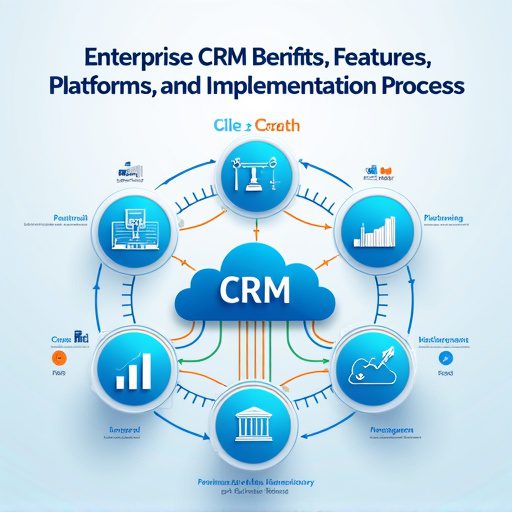
Enterprise CRM Benifits, Features, Platforms, And Implementation Process

Introduction Enterprise CRM (Customer Relationship Management) platforms are powerful tools that transform how large organizations manage customer data, improve engagement, and drive business growth. Below is a detailed blog-style guide, covering benefits, features, leading platforms, and the implementation process, with strategic backlinks to your TechOTD resources. In today’s hyper-competitive marketplace, Enterprise CRM is not merely a software—it’s an integrated approach that centralizes data, automates workflows, and fuels personalized customer journeys at scale. When implemented with advanced technologies like AI and predictive analytics, CRM becomes a strategic driver of efficiency, compliance, and business agility. Discover how AI and tech consulting can elevate CRM on TechOTD’s AI solutions page. Key Benefits of Enterprise CRM 360° View of Customers Enterprise CRM consolidates all customer data—interactions, preferences, support tickets—into a unified dashboard, providing a 360-degree customer profile. This empowers sales, marketing, and support teams to deliver informed, personalized service and anticipate customer needs. Learn how holistic data fuels AI-driven insights on TechOTD’s privacy and AI page. Improved Team Collaboration CRM platforms break down silos, enabling seamless information sharing across sales, marketing, and customer support departments. This unified communication boosts efficiency and ensures everyone works towards common goals. Data-Driven Decision Making Advanced analytics and reporting tools enable data-driven strategies, empowering management to spot trends, forecast sales, and make informed decisions. For a deeper dive into data analytics, visit TechOTD’s predictive analytics feature. Streamlined Sales and Marketing Processes Automation of repetitive tasks—lead tracking, appointment scheduling, follow-ups—lets teams focus on strategic initiatives, shortens sales cycles, and improves productivity. Enhanced Customer Experience CRM software personalizes every touchpoint—recommendations, promotional offers, and support—leading to higher customer satisfaction and loyalty. Explore more on TechOTD’s blog about seamless customer journeys. Compliance and Risk Management Modern platforms are designed to help businesses adhere to data privacy regulations and industry standards, crucial for finance, healthcare, and other regulated sectors. For more insights, read TechOTD’s how we work page. Essential Features of Enterprise CRM Holistic Customer View Provides a consolidated, real-time profile of each customer, tracking every email, call, transaction, and support request. Advanced Automation and AI Automation tools drive efficiency in sales, marketing, and workflows. AI features offer predictive analytics, intelligent recommendations, and chatbots—see TechOTD’s blog on LLMs and AI in customer journeys. Customizable Dashboards and Analytics Enterprises require deep analytics, granular segmentation, and real-time reporting to identify opportunities and mitigate risks. Multichannel Communication Integrated email, chat, phone, and social media support ensure consistent, timely engagement with customers wherever they interact. Security and Compliance Enterprise-grade CRMs offer robust security features: role-based access, encryption, audit trails, and compliance tools for GDPR, HIPAA, and more. Integration and Extensibility APIs and integrations connect CRM with ERP, marketing automation, e-commerce, and legacy systems for seamless data flow across the organization. Top Enterprise CRM Platforms Platform Best For Key Distinction Pricing/Notes [More Info] Salesforce Customization, large-scale deployments Deep modularity, AI, ecosystem From $165/user/mo, AI extra Leading Gartner MQ SAP CRM Integrated ERP-CRM for SAP users Native SAP integration, global Quote-based Oracle CX Large, complex organizations Flexibility, analytics, CX tools Quote-based Microsoft Dynamics 365 Microsoft-centric organizations ERP links, hybrid cloud options Flexible tiers HubSpot Enterprise Quick setup, remote teams User-friendly, marketing-heavy Competitive pricing Zoho CRM Growing enterprises, customization Automated workflows, scalability Lower overall TCO Zendesk Sell Sales and support integration Suited for Zendesk users Per-seat pricing Freshsales AI-driven engagement Fast, contextual interactions Modern UI, flexibility Discover more platforms and business app tips at TechOTD’s industry blogs. The Enterprise CRM Implementation Process 1. Define Strategy and Objectives Start by mapping out business objectives, key performance indicators, and a data strategy. Use TechOTD’s consulting framework to establish clear priorities. 2. Data Migration and Integration Cleanse existing data, de-duplicate records, and plan integrations with core systems (ERP, e-commerce, etc.). Blockchain integration—see blockchain in Dubai business—can add transparency to data migration. 3. Platform Selection and Customization Choose a CRM platform based on scale, industry, compliance, and integration requirements. Custom-build modules as needed, adjusting workflows, triggers, and dashboards for your enterprise’s unique processes. 4. User Adoption and Training Invest in staff training, change management, and cross-departmental workshops. Encourage power users and stakeholders to champion the CRM for maximum adoption. 5. Launch and Ongoing Support Roll out in phases—start with pilot departments, gather feedback, iterate, and expand. Leverage continuous analytics and support for long-term ROI. For best practices in tech project launches, visit TechOTD’s mobile services page. 6. Advanced Optimization Integrate AI-driven analytics, marketing automation, and predictive customer scoring. Review and refine workflows to drive ongoing efficiency. Explore predictive analytics solutions on TechOTD’s featured blog page. Real-World Use Cases Sales Acceleration: Automated lead scoring and next-best actions reduce time-to-close and increase sales. Customer Service Excellence: Omnichannel ticketing and AI-powered chatbots resolve issues faster, improving CSAT. Marketing ROI: Segmentation, journey mapping, and attribution modeling optimize spend and boost conversion rates. Risk & Compliance: Audit trails, consent management, and data protection features mitigate regulatory risk—critical for finance and healthcare. Mobile CRM: Field sales and service reps use mobile apps to access/updating customer data on the go; see TechOTD’s mobile frameworks guide. Conclusion Adopting an enterprise CRM is transformative for large organizations—it centralizes operations, unleashes team potential, personalizes every customer interaction, and future-proofs against changing regulations. For ongoing trends, strategies, and CRM case studies, explore: AI-Powered Enterprise Solutions TechOTD Blogs on Business Technology Customer Journey Mapping with AI Blockchain for Data Integrity How We Work at TechOTD Predictive Analytics for CRM Mobile Solutions and CRM Industry Insights & Platforms

Digital Transformation, Uncategorized

The Future of Construction: How Digital Transformation is Redefining the Industry

Introduction The construction industry, long seen as one of the least digitized sectors, is undergoing an extraordinary transformation. Driven by advances in artificial intelligence (AI), Internet of Things (IoT), blockchain, predictive analytics, and smart technologies, construction companies are moving beyond traditional methods to embrace next-generation digital tools that redefine efficiency, safety, sustainability, and profitability. Digital transformation is more than just technology—it’s about reshaping processes, improving resource management, and enabling data-driven decisions. From smart construction sites and predictive project planning to AI-powered risk management and blockchain supply chain visibility, the future of construction is evolving at unprecedented speed. In this blog, we’ll explore how digital transformation is redefining the construction sector, discuss emerging technologies, provide real-world applications, and analyze how businesses can adopt these innovations to accelerate growth. 1. Why Digital Transformation Matters for the Construction Industry Traditionally, construction relied on manual planning, fragmented communication, and reactive project monitoring. This often led to cost overruns, labor inefficiencies, and safety hazards. Now, with cloud platforms, IoT-enabled sensors, mobile apps, and AI-driven tools, companies can predict outcomes, optimize workflows, and reduce risks before they occur. According to McKinsey, digital transformation can improve productivity in construction by 14-15% while lowering costs by up to 6%. Digital transformation brings: Predictive insights → Better forecasting of demand, costs, and risks. Enhanced collaboration → Cloud-based platforms connect architects, engineers, and contractors in real time. Automation → Drones, robotics, and smart machinery reduce human error. Sustainability → AI and IoT help monitor energy efficiency and eco-friendly practices. 👉 See how AI services from TechOTD are helping businesses in every sector adopt smarter, data-driven approaches. 2. Emerging Technologies Driving Construction 4.0 a) Artificial Intelligence & Machine Learning AI is transforming construction by: Predictive analytics for cost & timeline forecasting Computer vision for site monitoring and safety compliance AI-based project design automation For example, machine learning can predict weather-related delays while AI vision tools can detect hazards on site. This ensures construction projects remain on schedule and within budget. 👉 Explore how TechOTD uses AI-powered predictive analytics in different industries: Predictive Analytics for Software Development. b) IoT & Smart Construction Sites IoT sensors integrated into construction equipment and infrastructure provide real-time data on materials, environmental factors, and worker safety. Benefits include: Monitoring structural stability in real time Smart helmets that check worker health conditions IoT-enabled equipment reducing downtime 👉 Learn how IoT is already reshaping industries in this TechOTD blog: IoT in Telecom. c) Blockchain in Supply Chain & Smart Contracts Blockchain enables secure transactions, transparent procurement chains, and contract automation. From verifying building materials to ensuring payments, blockchain reduces fraud and delays. 👉 Read more: How Blockchain Integration is Optimizing Business Processes in Dubai. d) Digital Twins & Virtual Simulation Digital twins—virtual replicas of physical structures—allow companies to simulate building performance before actual construction starts. This minimizes risks, reduces waste, and ensures sustainable choices. e) Mobile Apps in Construction Management Mobile applications improve site-to-office communication, allow contractors to track tasks, and enable remote approvals. Modern apps provide dashboards for real-time data visualization. 👉 See TechOTD’s next-gen mobile app development services. f) Large Language Models (LLMs) & Knowledge Automation LLMs help construction teams access instant answers from project documentation, automate reporting, and even assist in contract drafting. 👉 Learn more about LLM applications: Large Language Models in Finance. 3. Key Applications of Digital Transformation in Construction Smart Project Planning – Predictive analytics forecasts labor, time, and cost requirements accurately. Automated Risk Assessment – AI tools detect hazards before accidents occur. Transparent Procurement – Blockchain logs transactions to ensure supplier credibility. Smart Materials Management – IoT sensors prevent material overuse and wastage. Remote Collaboration – Digital platforms ensure all stakeholders stay aligned in real time. Smart Maintenance – Predictive models forecast equipment breakdowns before they happen. 4. Benefits of Digital Transformation for the Construction Industry Benefit Impact on Construction Cost Efficiency Reduces delays & overruns by predictive planning Enhanced Safety AI & IoT create safer work environments Sustainability Eco-friendly practices with smart energy tracking Transparency Blockchain contracts ensure fair dealings Faster Delivery Automation reduces construction timelines Smarter Decisions Data-driven insights improve execution 👉 Discover how TechOTD helps industries adopt these technologies: How We Work. 5. Case Studies & Inspiration from Other Industries Digital transformation in other industries offers blueprints for construction. Healthcare → Smart hospitals use AI and IoT for seamless care (see: Smart Hospitals Blog). Customer Service → AI-powered engagement enhances user experience (AI Seamless Customer Journeys). Education & Workforce Training → Upskilling construction staff with AR/VR simulation (Impact of Technology on Education). By learning from transformations in these sectors, construction can adopt cross-industry best practices to stay competitive. 6. Challenges of Digital Transformation in Construction Despite its promise, construction digitalization faces challenges: High initial costs (IoT sensors, robotics, blockchain systems). Data security and compliance concerns (requiring strong AI-powered cybersecurity measures, as discussed in TechOTD’s Cybersecurity Blogs). Skill gaps – Construction workers need training in digital tools. Resistance to change – Traditional firms may hesitate to invest in tech. 7. The Road Ahead – Future Outlook The future of construction will be dominated by AI, automation, blockchain, and robotics working together. Expect growth in: Autonomous Construction Machinery 5G-enabled smart sites Virtual reality training modules Sustainable green construction powered by real-time analytics By 2030, the global smart construction market is projected to exceed $32 billion, showing just how integral digital technologies will be to the industry’s foundation. FAQs Q1: How is AI impacting the construction industry? AI is used for predictive planning, budget forecasting, safety surveillance, and automating repetitive site tasks. Q2: What role does blockchain play in construction? Blockchain ensures transparency in procurement, enables automated smart contracts, and prevents supply chain fraud. Q3: Is digital transformation cost-effective for small construction firms? Yes. Cloud tools and mobile apps reduce upfront investment, allowing smaller firms to embrace scalable solutions. Q4: How does IoT improve construction site safety? IoT-enabled helmets, wearables, and machinery sensors detect hazards in real time, preventing accidents. Q5: Which digital tools should construction companies adopt first? Start with mobile apps, AI-powered analytics, and cloud platforms, then scale toward blockchain and digital twins. Conclusion The construction industry is evolving fast, and digital transformation is not optional—it’s essential. With AI, blockchain, IoT, predictive analytics, and mobile apps, construction companies can achieve faster project delivery, improved worker safety, sustainable operations, and greater customer trust. Just as we’ve seen how other industries—finance, education, healthcare, and

Scroll to Top