
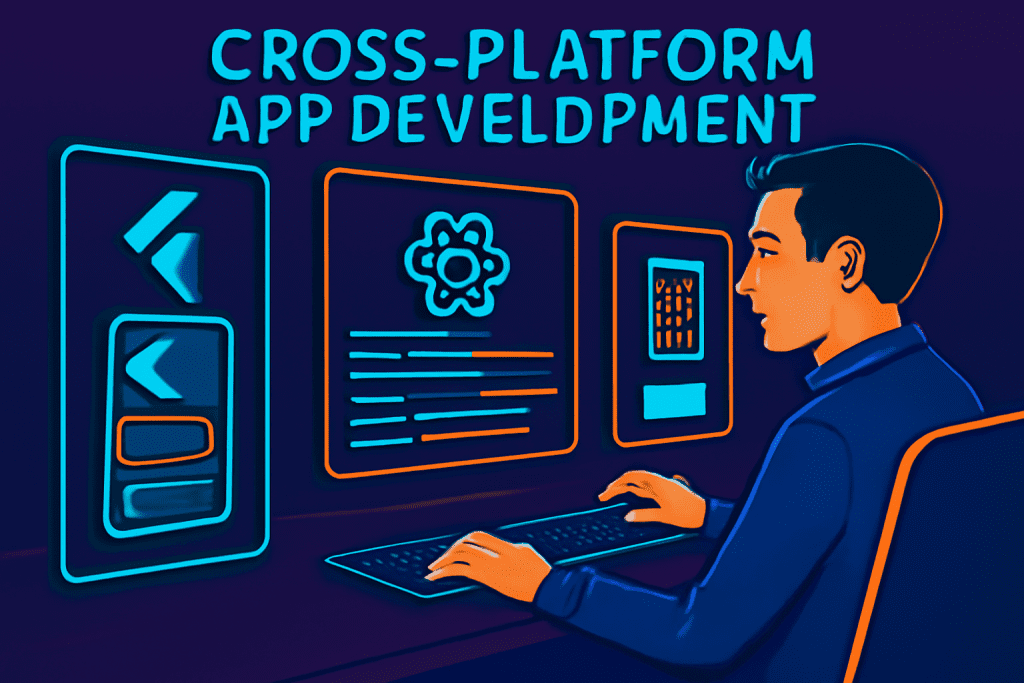
Cross-Platform App Development in 2025: Flutter vs React Native vs Native Apps
Introduction The way we build mobile apps in 2025 looks very different from just a few years ago. Businesses and developers now have multiple choices: go fully native (Swift for iOS, Kotlin for Android), pick a cross-platform solution like Flutter or React Native, or use hybrid models that combine the best of both worlds. The goal for everyone is the same—faster development, flexible deployment, and an amazing user experience. Mobile App Development in 2025 Cross-platform frameworks have become incredibly powerful, with near-native performance, making them the go-to option for most new apps. Flutter (from Google) and React Native (from Meta) dominate and are used for everything—from small startup projects to enterprise-level apps. Native development still has a strong place, especially when apps require maximum performance or deep integration with a device’s operating system. Flutter vs React Native vs Native – Which One Stands Out? Feature Flutter React Native Native Apps Language Dart JavaScript / TypeScript Swift (iOS), Kotlin (Android) Performance Near-native with custom engine (Impeller) High, improved with Bridgeless & Fabric Best possible, direct OS access UI Design Same UI across platforms, pixel-perfect Feels more “native” on each platform Fully native, best experience per OS Community Growing fast, strong widgets Mature, huge developer base Official SDKs, stable tools Learning Curve Medium (Dart is new for many) Easy for web/React developers High (different skills for each OS) Speed of Development Very fast (hot reload) Fast, large talent pool Slower (two separate apps) Code Reuse Mobile, web, desktop, IoT Mobile & web (via React) Minimal Best For Custom UIs, animations, multi-platform apps Web + mobile synergy, fast MVPs High-performance, unique OS features File Size Slightly bigger Moderate Optimized per platform Enterprise Users BMW, Google Pay, Alibaba Walmart, Instagram, Discord Apple, Google, banking apps Key Trends Shaping 2025 Performance Parity: Cross-platform apps are now as smooth as native ones, with 120Hz animations and powerful engines like Flutter’s Impeller and React Native’s Fabric. Lower Development Costs: Using one codebase for multiple platforms can save up to 40–60% in development and maintenance. Faster Time-to-Market: Hot reload, reusable components, and easier updates mean quicker releases. Flutter in 2025 Flutter uses its own rendering engine, giving developers pixel-perfect control over the UI. It’s excellent for apps that need to look exactly the same across devices or those with rich animations and branded designs. Plus, it supports mobile, web, desktop, and even IoT devices from one codebase—perfect for startups and brands looking to scale fast. React Native in 2025 React Native has evolved massively, removing performance bottlenecks with its new bridgeless architecture. If your team already works with React for web development, React Native feels familiar and allows you to reuse a lot of code. It’s a great choice for projects where speed, flexibility, and existing talent availability are key. Native Development in 2025 Native apps are still unbeatable for performance-heavy use cases like gaming, AR/VR, or banking apps where every millisecond matters. They also provide the deepest integration with OS features. However, building two separate codebases (iOS and Android) means higher costs and more time. When Should You Choose What? Choose Flutter if you need consistent UI across platforms, lots of animations, or want to launch quickly on multiple devices (mobile, desktop, web). Choose React Native if your team already knows JavaScript/React or if you want to reuse components between web and mobile apps. Go Native if performance, deep device integration, or security is your top priority and you have the budget and time for separate codebases. Other 2025 Factors to Consider AI in Development: Code suggestions, auto-layouts, and AI testing tools are now common across frameworks, improving productivity. Accessibility & Inclusivity: Meeting global accessibility standards (like ADA and WCAG 2.1) is now essential. 5G & Edge Computing: Faster internet speeds allow more advanced features, sometimes making native apps more appealing for demanding real-time use cases. Conclusion Flutter and React Native have matured to the point where they’re now the first choice for most businesses. They deliver top-notch performance and help cut costs and development time. But native apps still win when every millisecond and device-specific feature counts. In 2025, the choice isn’t about which technology is “best”—it’s about which one fits your project goals, team expertise, and performance requirements. The good news? All three approaches are more capable than ever, making it the best time to create high-quality apps for any audience.
