TechOTD mobile apps

Education app developement

How Much Does It Cost to Develop a Language Learning App Like Babbel?

Introduction Language learning apps have become an indispensable tool for millions worldwide, and Babbel stands out as one of the top platforms, offering engaging, personalized lessons in over 14 languages. If you’re an entrepreneur or business looking to develop a language learning app with similar features and user experience, understanding the development costs, factors affecting them, and what goes into building such an app is crucial. This blog provides a detailed overview of the typical costs involved in building a language learning app like Babbel, the key features that influence pricing, and strategic insights to help plan your project effectively. For broader insights on AI-driven app development and technology trends, check out TechOTD’s AI services and visit their technology blog. What Makes Babbel Unique? Babbel offers a scientifically backed methodology focusing on conversational learning, bite-sized lessons (10–15 minutes), speech recognition, and personalized learning paths. Key features include: Real-life conversation practice with audio and interactive exercises Speech recognition for pronunciation feedback Review and spaced repetition systems for vocabulary retention Structured grammar lessons and cultural context materials Offline learning capability on multiple devices Subscription-based access with continuous content updates. Key Features Affecting Development Cost 1. Platform and Device Compatibility Deciding whether to launch on iOS, Android, or both affects development time and cost. Cross-platform frameworks like React Native may reduce costs but might affect performance. 2. User Registration and Profiles Basic signup, social media integration, and personalized learning dashboards add complexity. 3. Course Content Management Ability to manage a vast database of multimedia lessons, quizzes, and real-time updates. 4. Speech Recognition and AI Integration Implementing AI-powered speech recognition for real-time feedback adds significantly to development costs. 5. Gamification Elements Features like badges, leaderboards, and rewards enhance engagement but increase design and coding demands. 6. Payment Systems Subscription management with secure payment gateways integration is critical for monetization. 7. Offline Mode Allowing users to download lessons and access them without internet adds storage and syncing complexities.   Estimated Cost Breakdown Basic Language Learning App: Includes core functionalities such as user registration, lesson viewing, and standard quizzes. Estimated cost: $30,000 – $50,000 Development Time: 3-6 months Mid-Level App with Advanced Features: Incorporates speech recognition, gamification, and personalized learning paths. Estimated cost: $50,000 – $100,000 Development Time: 6-9 months Advanced App with AI and Live Tutoring: Features live classes, real-time AI interactions, and extensive content management. Estimated cost: $100,000 – $300,000+ Development Time: 9-12+ months. Other Factors Influencing Cost Design Complexity: Custom UI/UX can increase costs depending on polish and responsiveness. Development Team Location: Offshore teams can lower costs but may require robust management frameworks. Maintenance and Updates: Ongoing costs including content upgrades, bug fixes, and feature additions. Marketing and Launch: Budget separately for app store optimization, user acquisition, and branding efforts. How AI Enhances Language Learning Apps AI and machine learning enable hyper-personalization, better speech analysis, and more engaging content delivery. Investing in AI-driven components may raise initial costs but improves user retention and satisfaction significantly. Explore AI app development possibilities in TechOTD’s AI services. Conclusion Building a language learning app like Babbel is a substantial investment that balances feature richness, platform choice, and user experience. Starting with an MVP focusing on core features can control costs and validate market demand. As the app scales, adding AI and interactive elements enhances appeal and competitive edge. Consulting experienced development partners such as TechOTD can ensure a smooth project journey from concept to launch. Stay informed on app development trends via TechOTD’s blog. FAQs Q1: What is the average cost to develop a language learning app? Between $30,000 and $300,000 depending on features, platform, and AI integration. Q2: How long does it take to build an app like Babbel? Typically 3 to 12 months depending on complexity. Q3: Can AI improve language learning apps? Yes, AI enhances personalization, speech recognition, and learner engagement. Q4: What monetization strategies do apps like Babbel use? Subscription models, freemium access, and in-app purchases. Q5: Should startups build native or cross-platform apps? Both have pros and cons; cross-platform reduces costs, native apps offer better performance.


React native doveploment

Less Talked About React Native App Development Considerations

Introduction React Native has surged in popularity as a preferred framework for building cross-platform mobile apps that deliver near-native performance. It offers developers the advantage of writing code once and deploying it on both iOS and Android, dramatically reducing time and cost. However, beyond the widely discussed benefits, there are several less-talked-about considerations that can impact the success and maintainability of React Native projects. This blog highlights underrated yet pivotal factors to consider when developing apps with React Native. Understanding these will help businesses and developers avoid common pitfalls, optimize performance, and build scalable applications. For insights on choosing the right development approach and leveraging AI-powered tools to enhance apps, explore TechOTD’s mobile app services and their technology blog. Less Talked About Considerations in React Native Development 1. Native Module Bridging Complexity While React Native covers most UI and logic needs, some features require native modules. Bridging custom native components between JavaScript and platform-specific code (Swift/Objective-C for iOS, Java/Kotlin for Android) can be complex and error-prone. Early planning of native module requirements prevents integration bottlenecks. 2. Platform-Specific UI/UX Nuances Cross-platform code sometimes overlooks subtle UI differences and behaviors expected by users on iOS or Android. Tailoring components and animations to respect platform conventions enhances user satisfaction but requires additional effort. 3. Debugging and Performance Profiling Challenges React Native debugging can be trickier compared to pure native apps. Certain performance issues stem from JavaScript thread bottlenecks and asynchronous bridge communication. Leveraging specialized profiling tools early helps identify and mitigate these problems. 4. Library and Dependency Maturity Not all React Native third-party libraries maintain parity between platforms or keep pace with the latest RN versions. Thorough vetting and maintenance planning for dependencies is critical to ensuring long-term app stability. 5. Handling Large App Sizes and Startup Times React Native apps tend to have larger binary sizes and longer cold start durations compared to native apps. Optimizing assets, code splitting, and lazy loading can mitigate user experience impacts but require strategic development approaches. 6. Security Considerations in JavaScript Environment JavaScript bundles can be reverse-engineered, posing risks of exposing app logic or sensitive data. Employing code obfuscation, secure storage, and adhering to best practices is essential to safeguard apps. How AI and Modern Tools Can Help AI-powered development assistants and predictive analytics tools can optimize performance tuning, automate testing, and suggest code improvements in React Native projects, reducing manual effort and error rates. TechOTD’s AI-driven solutions accelerate React Native development with proven frameworks and agile methodologies: React Native Development Services. Conclusion While React Native offers substantial advantages for rapid, cost-effective cross-platform app development, success requires attention to less obvious nuances—native module integration, platform-specific UX, debugging complexities, and security considerations. Addressing these early with the support of AI tools and expert development teams like TechOTD ensures scalable, high-performance apps that delight users across platforms. Stay updated on React Native trends and technology innovations at TechOTD Blog. FAQs Q1: Why is native module bridging necessary? Some hardware features or optimizations require platform-specific native code not supported directly by React Native. Q2: How do I ensure the app feels native on each platform? Design UI/UX specifically tailored for Android and iOS conventions with conditional rendering and styling. Q3: What tools help with React Native performance profiling? Tools like Flipper, Android Profiler, and Xcode Instruments assist in diagnosing performance bottlenecks. Q4: How do I manage third-party dependencies in React Native? Regularly audit and update libraries, favor well-maintained packages, and prepare for migration during React Native upgrades. Q5: How can I protect my app’s JavaScript code? Use obfuscation techniques, secure API keys, and follow secure coding guidelines to reduce vulnerabilities.

startup

How to Create a Mobile App Startup: Analyzing Strategies for Success

Introduction The mobile app industry continues to grow exponentially, offering unprecedented opportunities for entrepreneurs to launch startups that disrupt traditional markets and create new value. However, building a successful mobile app startup requires more than a great idea—it demands strategic planning, deep market understanding, agile development, and effective user acquisition tactics. This blog explores critical strategies for launching a profitable mobile app startup, drawing from industry best practices, real-world examples, and technology trends. For comprehensive guidance on app development technologies and market adoption, discover TechOTD’s AI-driven mobile solutions and browse their latest tech blog. Key Strategies for Creating a Successful Mobile App Startup 1. Conduct Thorough Market Research Identify target customer segments, pain points, and gaps in existing app offerings. Analyze competitors to differentiate your solution with unique value propositions. Validate your app idea using surveys, focus groups, or MVP testing. 2. Define a Clear Business Model Decide on revenue streams such as subscriptions, in-app purchases, advertising, or freemium features. Ensure your value delivery aligns with profitable monetization methods. 3. Focus on User Experience (UX) and Design Prioritize intuitive navigation, fast load times, and responsive design across devices. Use data-driven UX improvements and personalization powered by AI. Explore design best practices here: React Native vs Swift for App Development. 4. Build an MVP Quickly and Iterate Develop a minimum viable product (MVP) with essential features to launch early and gather user feedback. Use agile development cycles to refine functionality and fix bugs based on real data. 5. Assemble a Skilled Development & Marketing Team Hire or partner with experienced developers, UI/UX designers, and marketers who understand mobile platforms and customer acquisition. Collaborate with partners like TechOTD for expert technology consulting and development: TechOTD Mobile Apps Services. 6. Plan an Effective Marketing and User Acquisition Strategy Leverage digital marketing, influencer partnerships, app store optimization (ASO), and social campaigns. Focus on building a loyal user base with retention strategies like rewards or community features. 7. Leverage Analytics and AI for Growth Utilize predictive analytics and AI models to understand user behavior and personalize experiences. Continuously analyze engagement metrics to inform product and marketing decisions. Learn more about predictive analytics benefits: Predictive Analytics Software Development. 8. Ensure Scalability and Security Build on scalable cloud architectures to handle rapid growth. Implement stringent security protocols to protect user data and build trust. Challenges Commonly Faced by Mobile App Startups Intense market competition requiring continuous innovation. Balancing time-to-market with product quality. Retaining users in a highly saturated app ecosystem. Managing costs while sustaining growth and customer support. Real-Life Examples of Mobile App Startup Success Startups that focused on niche markets and personalized experiences tend to outperform broad-spectrum apps. Agile iteration based on user data accelerates product-market fit and scaling. Using AI to automate workflows and enhance user personalization is a proven growth accelerator. Conclusion Launching a successful mobile app startup involves a mix of strategic market understanding, targeted product development, savvy marketing, and data-driven optimizations. Partnering with technology experts and leveraging AI-powered solutions can shorten time to market and increase your chances of success. Begin your startup journey with trusted technology partners like TechOTD and stay updated with evolving best practices from their innovation-packed technology blog. FAQs Q1: What is an MVP and why is it important? A minimal viable product with key features enables quick market entry and user feedback collection. Q2: How do AI and analytics support startup growth? They personalize user experiences, optimize marketing, and predict trends to inform business decisions. Q3: How critical is user acquisition strategy? Effective user acquisition drives early traction, essential for startup sustainability. Q4: Should startups build native or cross-platform apps? It depends on budget and target audience; cross-platform reduces costs, native offers better performance. Q5: How to ensure app security from the start? Implement encryption, secure authentication, and comply with privacy regulations to protect users.

Restaurent

Factors for Choosing Restaurant App Development for Your Business

Introduction In a digital-first world, having a dedicated restaurant app can significantly boost your business by enhancing customer engagement, streamlining orders, and expanding reach. However, choosing the right restaurant app development approach requires careful consideration of various factors to ensure the app aligns with your business goals, target audience, and operational requirements. This blog explores the crucial factors businesses should evaluate before embarking on restaurant app development. It also highlights the role of AI and advanced technology solutions in creating powerful, user-friendly apps for the foodservice industry. For insights into modern app development and technology trends, explore TechOTD’s AI services at TechOTD AI Services and their comprehensive technology blog. Key Factors to Consider When Choosing Restaurant App Development 1. Understanding Your Business Model and Objectives Define what you want the app to achieve—whether it’s increasing dine-in footfall, boosting delivery orders, loyalty programs, or brand awareness. Your objectives will shape the app’s feature set and design approach. 2. Target Audience and User Experience Analyze your customer demographics and preferences. Mobile-savvy younger customers may demand seamless ordering and social sharing, while older customers might prioritize ease of use and reliability. A superior UI/UX design tailored to users’ needs is essential. 3. Platform Selection: Native vs Cross-Platform Choose between native apps (iOS and Android separately) that offer the best performance or cross-platform frameworks like React Native or Flutter that speed up development and reduce costs. Learn more here: React Native vs Swift. 4. Must-Have Features Incorporate key functionalities like menu browsing, order customization, real-time order tracking, push notifications, integrated payments, feedback systems, and loyalty programs. AI-powered personalized recommendations can further elevate user engagement. 5. Integration Capabilities Ensure the app can seamlessly integrate with existing POS systems, kitchen management software, delivery platforms, and CRM tools for unified operations. 6. Security and Compliance Secure customer data through encryption, secure payment gateways, and compliance with data protection regulations such as GDPR and PCI DSS. 7. Scalability and Performance Design the app architecture to handle growing users and orders smoothly without downtime or slowdowns. Scalable cloud-based solutions often provide this flexibility. 8. Budget and Time-to-Market Balance your investment against the desired time to launch. Cross-platform development can reduce time and costs, but complex customizations may require more resources and time. 9. Post-Launch Support and Maintenance Consider the availability of ongoing technical support, updates, feature enhancements, and scalability options for evolving business needs. Leveraging AI and Advanced Technologies The integration of AI capabilities such as predictive analytics, chatbots, and automated customer support enables restaurants to offer personalized experiences, optimize inventory, and forecast demand, driving operational efficiency. Read more on AI-powered features for apps here: Predictive Analytics Software Development. Partnering with the Right Development Team Choosing a reliable technology partner with experience in restaurant app development, AI, and mobile platforms is critical to success. Companies like TechOTD provide end-to-end solutions — from ideation and design to development, deployment, and maintenance tailored to your business. Explore their workflow here: How We Work – TechOTD. Conclusion Choosing the right restaurant app development strategy is vital for creating a seamless digital experience that delights customers and drives business growth. By considering your objectives, audience, technology preferences, budget, and partnering with expert developers, you can build a competitive app that stands out in the bustling foodservice market. Start your journey today by exploring advanced app solutions and trends at TechOTD Blog. FAQs Q1: Should I develop a native or cross-platform restaurant app? It depends on your budget and desired features. Cross-platform apps are cost-efficient, while native apps offer superior performance. Q2: What essential features must a restaurant app have? Menu browsing, online ordering, payment, order tracking, reviews, and loyalty programs. Q3: How important is AI integration in restaurant apps? AI significantly enhances personalization, forecasting, and customer engagement. Q4: How to ensure app security? Use encrypted data transmission, secure payment gateways, and comply with regulations like GDPR. Q5: Can I integrate with existing restaurant systems? Yes, integration with POS, CRM, and delivery platforms is crucial for smooth operations.

Restaurent

Essential Features to Consider When Building a Restaurant Search App

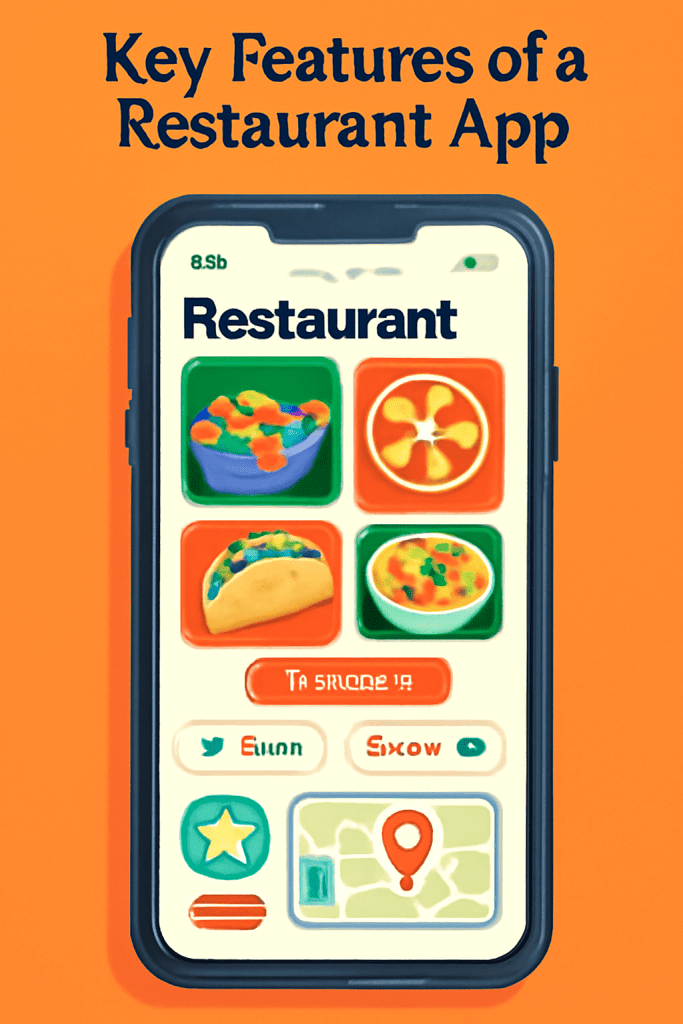
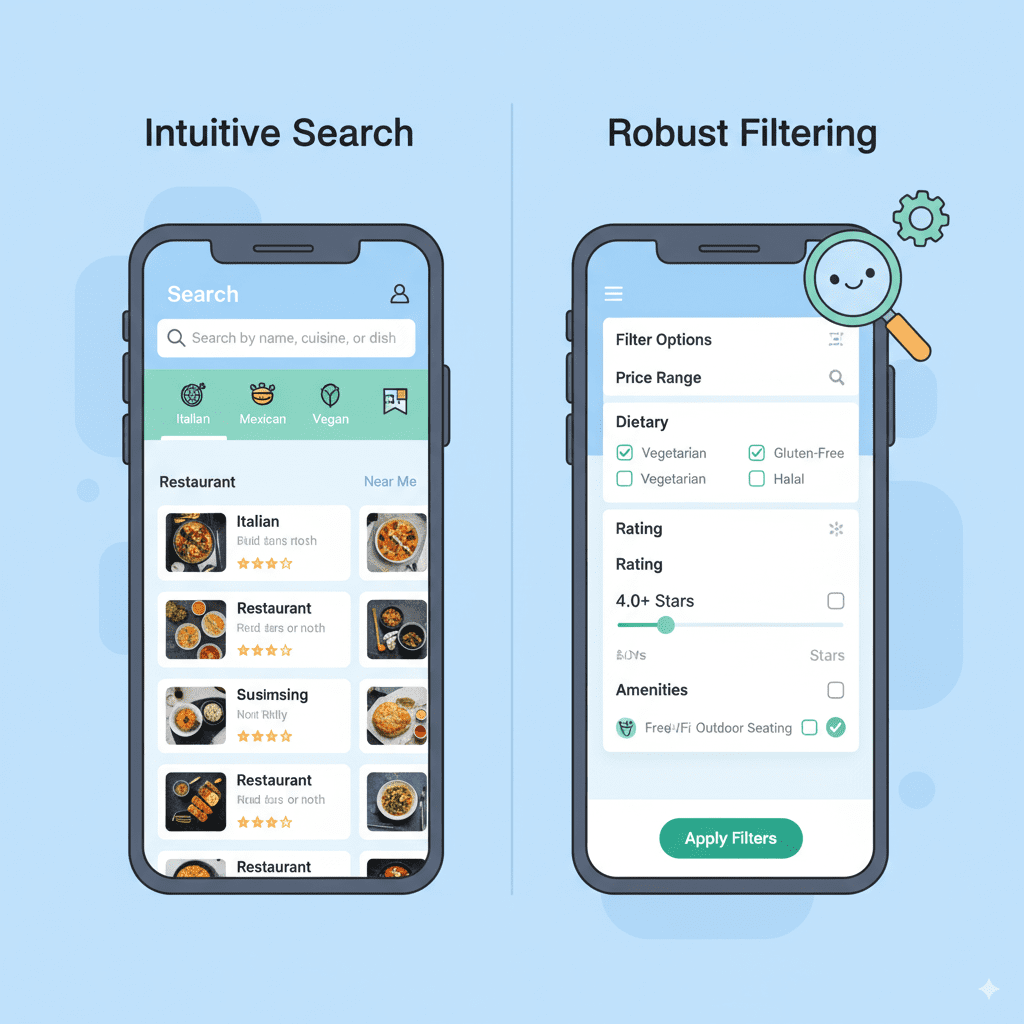
Introduction In an era where convenience and instant gratification drive customer choices, a restaurant search app can be a game-changer for food lovers and businesses alike. These apps help users discover the best dining options nearby or in a specific location, review menus, make reservations, and place orders—all at their fingertips. However, creating a restaurant search app that stands out and provides exceptional user experience requires thoughtful planning and inclusion of critical features tailored to user needs. This blog outlines the essential features to consider when building a restaurant search app, from intuitive search functionality to personalized user experiences. Leveraging advanced technologies like AI and predictive analytics can enhance these features, making the app smarter and more engaging. For insights on how AI and modern technologies transform app development and business processes, explore TechOTD’s AI solutions and their extensive tech blog. Key Features to Build a Successful Restaurant Search App 1. Accurate and Intuitive Search and Filters Location-based search: Use GPS to find nearby restaurants instantly. Category filters: Allow filtering by cuisine, price range, ratings, dietary preferences, or opening hours. Advanced keyword search: Enable users to find restaurants by dish names, ambiance, or specific attributes. 2. Detailed Restaurant Profiles Menus with pricing and pictures Opening hours and contact information User reviews and ratings Special offers or events 3. User Reviews and Ratings System Allow users to post feedback, rate their dining experience, and share photos. Incorporate machine learning models to detect fake or spam reviews, enhancing trustworthiness. Explore more on AI in sentiment analysis in customer reviews: Seamless Customer Journeys with AI. 4. Real-Time Table Availability and Reservation System Integration with restaurant booking systems Instant confirmation and reminders Cancellation and modification options 5. Integration with Food Delivery and Takeout Options Direct users to place orders for delivery or pickup instantly within the app or via partner apps. 6. Interactive Maps and Directions Visual maps showing restaurant locations with step-by-step navigation and estimated travel times. 7. Personalized Recommendations Leverage AI to analyze user preferences, location history, and dining behavior to offer tailored restaurant suggestions. 8. Social Sharing and Loyalty Programs Allow users to share their favorite spots on social media and participate in loyalty schemes or rewards. 9. Secure Payment Gateway Include multiple payment methods with encryption and fraud protection to facilitate smooth in-app purchases or deposits for reservations. 10. Multi-Platform Support and Offline Mode Develop apps compatible with iOS, Android, and web browsers and enable offline viewing of saved restaurants and previous searches. Leveraging Predictive Analytics in Restaurant Search Apps Incorporating predictive analytics can optimize user experience by: Forecasting peak dining times and suggesting less crowded slots Anticipating user cravings or preferred cuisines based on past behavior Preemptively managing restaurant capacity and promotions Learn about predictive analytics and its business benefits here: Predictive Analytics Software Development. The Role of Technology Partners in Building Your App Partnering with technology and AI solution experts like TechOTD ensures your restaurant search app is designed with scalable architecture, real-time features, secure integrations, and ongoing maintenance. Their agile development and AI-driven insights can accelerate your product launch and market fit. Get insights on choosing the right development framework: React Native vs Swift. Conclusion A restaurant search app offers immense value in today’s fast-paced lifestyle but demands careful inclusion of user-centric features to succeed. From accurate search tools to personalized recommendations, each feature must be seamlessly integrated and well-optimized for performance and security. Incorporating AI and predictive analytics enhances the app’s competitive edge. To start building your restaurant search app with cutting-edge features and robust technology, consider consulting with expert developers like TechOTD for a tailored approach and agile delivery. Explore their innovative digital services and latest industry insights at TechOTD Blog. FAQs Q1: What is the most important feature in a restaurant search app? Intuitive and accurate location-based search with rich filter options is essential for user satisfaction. Q2: How can personalization improve the app? Personalized restaurant suggestions based on user behavior increase engagement and conversion. Q3: Is it necessary to integrate delivery options? Yes, integration with delivery or takeout services adds convenience and increases user retention. Q4: How does AI help in restaurant search apps? AI enables sentiment analysis, personalized recommendations, and efficient data management. Q5: Should the app support offline mode? Offline support is valuable for users with limited connectivity, allowing access to saved data and favorites.

Scroll to Top