
TechOTD blockchain solutions

Blockchain & Technology, Uncategorized

Blockchain in Gaming: Potential, Limitations, and Real-World Examples

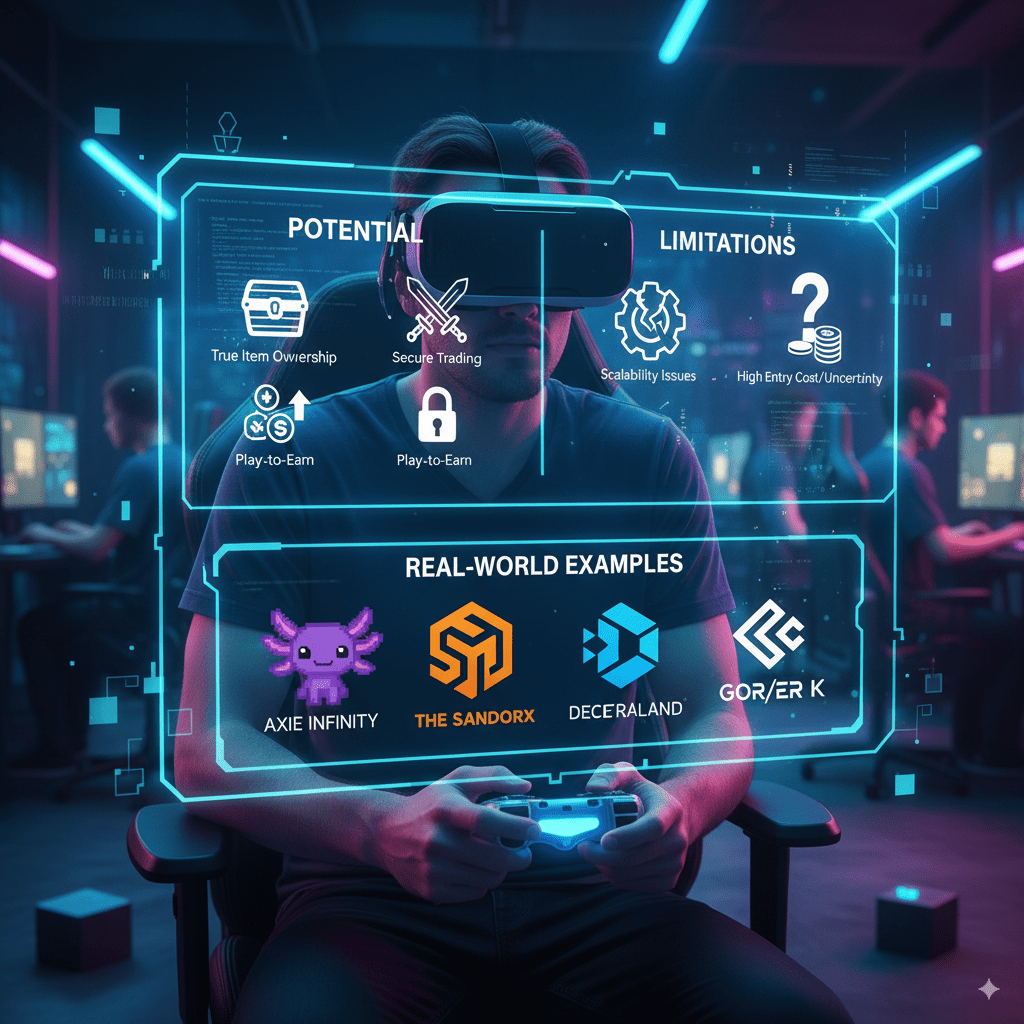
Introduction Blockchain technology is reshaping multiple industries, and gaming is one of its most promising frontiers. Leveraging decentralization, immutability, and tokenization, blockchain offers gamers and developers new opportunities for asset ownership, monetization, and security. However, as transformative as blockchain is, the gaming sector also faces challenges in scalability, adoption, and regulation. This blog explores the potential of blockchain in gaming, the key limitations developers and players encounter, and highlights notable real-world blockchain gaming examples. For more on how blockchain and AI technologies optimize business processes, check out TechOTD’s insights. The Potential of Blockchain in Gaming 1. True Ownership of In-Game Assets Blockchain enables players to own digital assets as NFTs (Non-Fungible Tokens), proving uniqueness and enabling transfer or sale outside game ecosystems. This shifts control from gaming companies to players themselves, increasing asset value and player investment. 2. Play-to-Earn Models Games built on blockchain incorporate play-to-earn (P2E) mechanics, allowing players to earn cryptocurrency or tokens through gameplay, enhancing engagement and opening new revenue streams. 3. Enhanced Security and Fraud Prevention Blockchain’s immutable ledgers prevent hacking, duplication, and fraud in asset ownership and transactions, safeguarding both players and developers from exploitative practices. 4. Interoperability and Portability Players can utilize digital assets across multiple games and platforms due to the interoperability offered by blockchain standards, enhancing user experience and expanding markets for developers. 5. Smart Contracts for Automation Self-executing smart contracts automate in-game transactions, rewards, and agreements, reducing developer workload and improving transparency and fairness. Limitations of Blockchain in Gaming 1. Scalability and Performance Issues Blockchain networks face speed limitations and high transaction fees, which may cause lags or costly operations unsuitable for real-time gaming experiences. 2. Regulatory and Legal Uncertainties Evolving legal frameworks create uncertainty around token classifications, player earnings, and digital asset rights, complicating compliance for game developers and players alike. 3. Steep Learning Curve and Adoption Barriers Many gamers and developers remain unfamiliar with setting up wallets or interacting with blockchain, limiting player base and market reach. 4. Player Retention Concerns Some blockchain games prioritize financial rewards over gameplay quality, which can lead to poor long-term player engagement. Real-World Examples of Blockchain Gaming 1. Axie Infinity A leader in the blockchain gaming space, Axie Infinity features collectible fantasy creatures (Axies) as NFTs, offering a compelling play-to-earn experience with millions of active users worldwide. Despite a major security breach in 2022, it remains a benchmark for P2E success. 2. The Sandbox A virtual metaverse where users own digital land and assets, The Sandbox empowers players to create and monetize content, integrating brand partnerships and decentralized governance with its native token, SAND. 3. Gods Unchained This free-to-play trading card game offers players true ownership of digital cards as NFTs, enabling secondary market trading and strategic gameplay similar to physical collectibles. 4. Splinterlands A blockchain-based card game emphasizing strategic deck-building and NFTs, it awards players with native tokens and supports cross-blockchain compatibility, fostering broad player access. 5. Illuvium An open-world RPG with high-quality graphics and NFT-based creatures, Illuvium integrates play-to-earn models and immersive gameplay, marking a premium blockchain gaming experience. Conclusion Blockchain technology holds transformative potential for gaming by introducing real ownership, new monetization models, improved security, and cross-platform interoperability. Yet challenges around scalability, legal regulations, and adoption remain critical hurdles. By learning from existing blockchain games and addressing these limitations, developers can innovate compelling, player-centric experiences that redefine digital gaming economies. Stay ahead with blockchain trends and AI-powered digital innovation insights on TechOTD’s blog. FAQs Q1: What is unique about blockchain gaming? True digital asset ownership, play-to-earn economics, and decentralized control set blockchain games apart. Q2: What are the biggest challenges? Scalability issues, legal uncertainties, and ensuring engaging gameplay beyond financial incentives. Q3: Can players trade assets outside the game? Yes, NFT ownership allows trading on decentralized marketplaces beyond the native game ecosystem. Q4: How do smart contracts improve blockchain gaming? They automate transactions and rewards transparently, reducing bugs and developer intervention. Q5: Are blockchain games mainstream yet? While growing fast, blockchain gaming is still emerging with big players like Sony investing but mass adoption remains in progress
Blockchain & Technology

Blockchain Interoperability: The Key to Connect Siloed Blockchain Networks

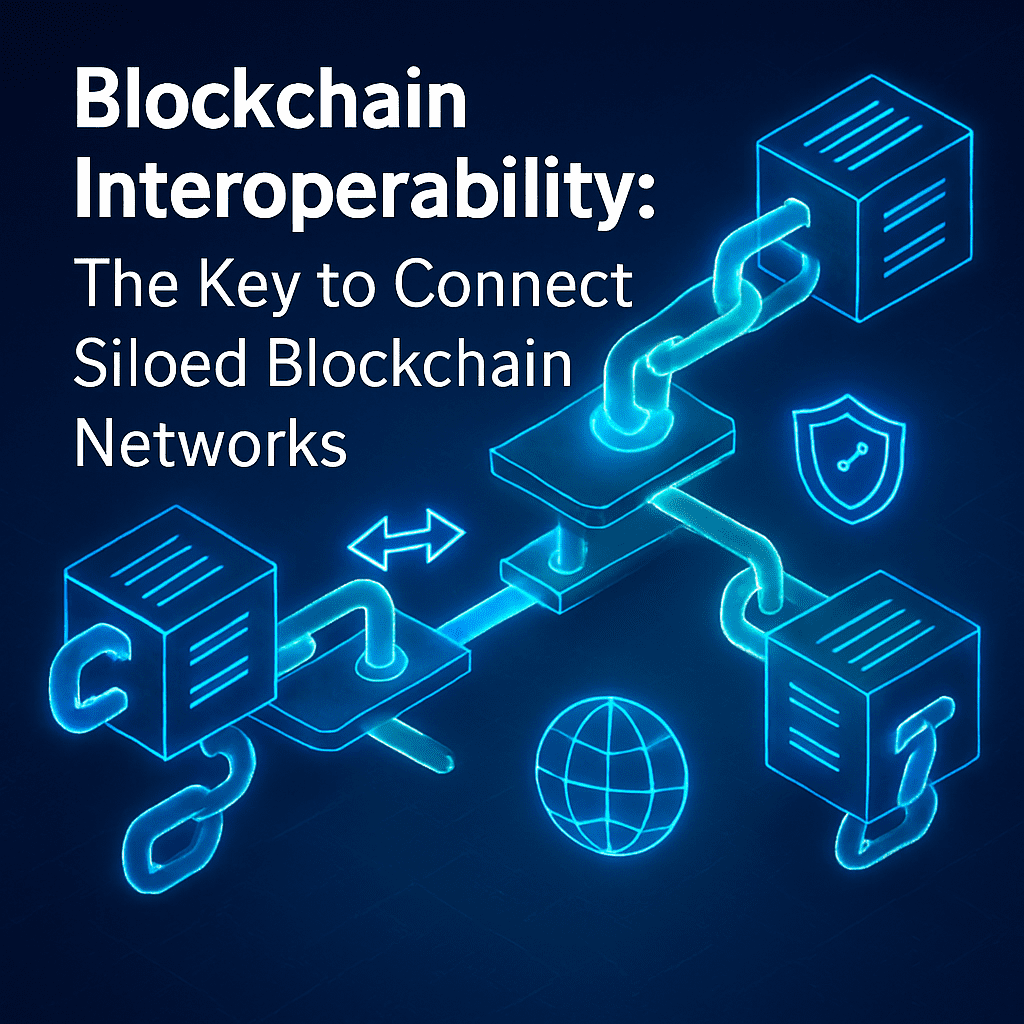
Introduction As blockchain technology matures, its widespread adoption faces a persistent obstacle: interoperability. Most blockchains today are siloed “islands”—unable to seamlessly communicate, share data, or transfer assets across networks. This lack of interoperability restricts innovation and limits the blockchain ecosystem’s full potential.Blockchain Interoperability: The Key to Connect Siloed Blockchain Networks This blog explores the critical role of blockchain interoperability, current challenges, leading solutions, and real-world use cases. It also integrates insights and expert guidance from TechOTD AI Services, the TechOTD Blog, in-depth blockchain integration best practices at TechOTD Blockchain Integration, and more. What is Blockchain Interoperability? Blockchain interoperability is the ability of different blockchain networks to exchange data, value, and instructions—directly and efficiently. Rather than being limited to their own ecosystem, interoperable blockchains can connect, communicate, and even execute cross-chain smart contracts or asset transfers without intermediaries. Why Is Interoperability Important? Unlocks Ecosystem Synergy: Different blockchains have unique advantages (e.g., Bitcoin’s security, Ethereum’s smart contracts, Solana’s speed). Interoperability enables combining these strengths. Prevents Fragmentation: Interoperability breaks down the siloed nature of blockchains, accelerating mainstream adoption and seamless user experiences. Enables Cross-Chain DeFi & NFTs: Users can swap assets or move NFTs across chains, bringing liquidity and flexibility to decentralized applications. Drives Innovation: Developers can leverage multiple networks for complex, real-world solutions versus being locked into a single architecture. Improves Compliance & Regulation: Organizations can streamline compliance by allowing controlled data sharing between permissioned and public blockchains. Main Challenges to Interoperability Technical Barriers Differing consensus mechanisms, data structures, and smart contract languages make seamless communication difficult. Security Risks Bridges and oracles, vital for interoperability, can be attack vectors if not properly secured. Scalability Tradeoffs Cross-chain protocols can introduce latency, reduce throughput, or require additional trust assumptions. Governance and Standards Network upgrades, tokenomic designs, and regulatory requirements complicate universal protocols. Leading Approaches and Protocols Atomic Swaps Enables two parties to swap assets on different blockchains without intermediaries—crucial for decentralized trading. Sidechains and Pegged Chains Independent chains that “peg” assets by locking them on one chain and releasing them on another, e.g., Polygon (Ethereum). Bridges Specialized dApps and protocols that enable movement of assets/data between blockchains. Examples: Wormhole, Polygon Bridge, Binance Bridge. Cross-Chain Messaging Protocols like Polkadot’s XCMP or Cosmos’s IBC enable networks to send messages, transfer tokens, and orchestrate smart contracts across chains. Oracles Trusted data feeds (like Chainlink) facilitate relaying information from external sources or between chains. Notable Interoperability Projects Protocol Core Function Key Features Polkadot Multi-chain interconnectivity Parachains, XCMP Cosmos Inter-Blockchain Communication (IBC) Zones, Hubs Chainlink Cross-chain data and smart contract execution CCIP, oracles Avalanche Customizable, interoperable blockchains Subnets, bridges Wanchain Universal bridges for diverse blockchains Direct cross-chain Real-World Use Cases Cross-Chain DeFi (Decentralized Finance): Users deposit collateral on one chain to borrow on another—unlocking efficiency and liquidity. NFT Portability: Move NFTs between marketplaces (e.g., Ethereum and Flow), expanding reach and creativity. Supply Chain Transparency: Integrate permissioned ledgers (for compliance) with public chains (for auditability), ensuring privacy and public trust. Stablecoins and Payments: Interoperable stablecoins (e.g., USDC) work across multiple blockchains for frictionless global payments. Enterprise Collaboration: Organizations streamline multi-blockchain operations, connecting siloed enterprise and public ledgers, as described in TechOTD Blockchain Integration. Benefits of Blockchain Interoperability Enhanced Utility: Asset and data flows across networks amplify the value and use cases for blockchain users. Increased Liquidity: Capital and tokens move freely, unlocking new DeFi and trading opportunities. Innovation Acceleration: Developers build richer, more sophisticated dApps leveraging features from multiple blockchains. Cost and Efficiency Gains: Interoperable blockchains minimize redundant infrastructure and lower operational friction. Security and Redundancy: Transfer data or assets to more secure chains or distribute risk. Future Trends & Innovations Generalized Cross-Chain Smart Contracts: Write apps that execute logic and asset transfers across multiple blockchains seamlessly. Automated Compliance Solutions: Smart contracts manage regulatory obligations across jurisdictions. AI-Powered Routing and Analytics: AI helps optimize which chains to use for specific transactions based on real-time costs, latency, or compliance. Read more about AI-powered blockchain advancements at TechOTD AI Services. Standardization and Protocol Upgrades: Open-source and industry-wide standards will further streamline interoperability, as seen in the ongoing work of major protocol teams. Implementing Interoperability: Best Practices Conduct system audits for secure bridge and oracle design. Embrace modular blockchain architectures leveraging established cross-chain protocols. Prioritize regulatory compliance and robust off-chain governance. Work with technology partners that offer proven blockchain integration and AI-driven optimization, such as TechOTD AI Services. For stepwise approaches and expert insights, review processes on How We Work. Conclusion Blockchain interoperability is essential for transitioning from siloed platforms to a thriving, interconnected Web3 economy. It unlocks new use cases, accelerates growth, enhances user experience, and drives cost efficiencies. As standards and technology advance, seamlessly connected blockchains will be the backbone of global decentralized systems. For hands-on support, tools, and the latest innovations in multi-chain integration, explore the TechOTD Blog, AI Services, and in-depth Blockchain Integration Case Studies.

Blockchain & Technology

How Blockchain Integration is Optimizing Business Processes in Dubai

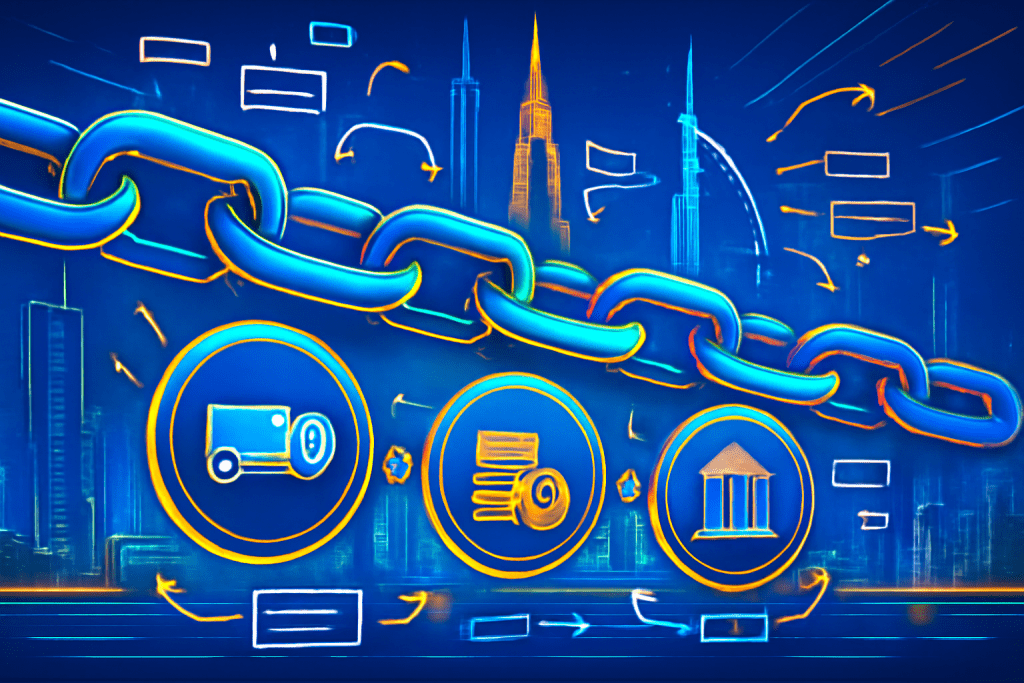
Introduction Dubai has rapidly positioned itself as a global leader in embracing innovative technologies, with blockchain integration at the forefront of this transformation. Businesses across the emirate are leveraging blockchain to streamline operations, improve transparency, and boost security. The result? Optimized business processes that enhance efficiency, reduce costs, and build trust with stakeholders. Here’s a detailed look at how blockchain integration is revolutionizing business processes in Dubai and why it’s a critical investment for the future. Explore more transformative technology solutions from TechOTD, where innovation and digital excellence meet. The Impact of Blockchain on Business Operations 1. Enhanced Transparency and Trust Blockchain’s decentralized ledger technology ensures every transaction or data entry is recorded transparently and immutably. Companies in Dubai now enjoy unmatched transparency in their supply chains, contract management, and financial transactions, which significantly reduces fraud and disputes. 2. Improved Efficiency and Automation Smart contracts automate routine and complex workflows, minimizing human intervention and accelerating processes. By integrating blockchain with AI and custom software solutions, Dubai businesses are achieving seamless, automated operations cutting down operational bottlenecks. 3. Secure Data Management In a world facing rising cyber threats, blockchain provides security with its cryptographic algorithms, protecting sensitive business and customer information. This is vital for Dubai’s thriving sectors like finance, real estate, and eCommerce (see eCommerce innovations). 4. Regulatory Compliance Made Easier Dubai’s regulatory framework increasingly encourages blockchain adoption, with government initiatives promoting transparent and verified digital record keeping. This helps businesses stay compliant effortlessly and ready for audits. 5. Cost Reduction Across the Board By streamlining processes such as cross-border payments, document verification, and inventory management, blockchain drastically cuts administrative and transactional costs. Businesses report higher ROI with blockchain projects supported by advanced AI-powered analytics. Real-World Blockchain Use Cases in Dubai Supply Chain Management: Dubai-based logistics companies use blockchain to track goods in real-time with end-to-end visibility, enhancing accountability and reducing delays. Trade Finance: Blockchain enables secure, fast, and transparent trade financing, revolutionizing Dubai’s role as a global trading hub. Real Estate: Blockchain simplifies property transactions, title management, and leasing agreements via tamper-proof records. E-commerce: Blockchain ensures secure, transparent, and efficient transactions, improving customer trust for Dubai’s growing online market. Government Services: Dubai’s blockchain initiatives enhance efficiency and transparency in services like licensing, customs clearance, and identity verification. How TechOTD Supports Blockchain Integration As Dubai businesses make blockchain a key part of their digital strategy, partnering with experienced developers is critical. TechOTD offers end-to-end blockchain integration services, from Feasibility Study to Deployment with ongoing support. Leveraging their expertise in AI, cloud, and software development (TechOTD web development), they help companies unlock blockchain’s full potential tailored to their unique needs. Explore partnership opportunities with TechOTD here to accelerate your blockchain journey. Conclusion Blockchain integration is not just a trend but a vital driver of optimized business processes in Dubai. Its benefits—transparency, efficiency, security, and cost reduction—empower businesses to compete globally while meeting local regulatory expectations. With trusted partners like TechOTD providing advanced digital and AI services, Dubai’s enterprises are well equipped for a future powered by decentralized technology. FAQ 1. What industries in Dubai benefit most from blockchain? Finance, real estate, logistics, eCommerce, and government sectors lead adoption. 2. How does blockchain improve supply chain transparency? By providing immutable real-time tracking accessible to all authorized parties. 3. Can blockchain solutions be integrated with existing IT systems? Yes, especially when combined with AI and custom web development for smooth workflows. 4. How can TechOTD help with blockchain adoption? TechOTD provides consulting, product design, development, deployment, and continuous support tailored to your business needs. 5. What is the typical timeline for blockchain integration? Timelines vary by project complexity, but TechOTD offers detailed estimates during the consultation phase.

Scroll to Top