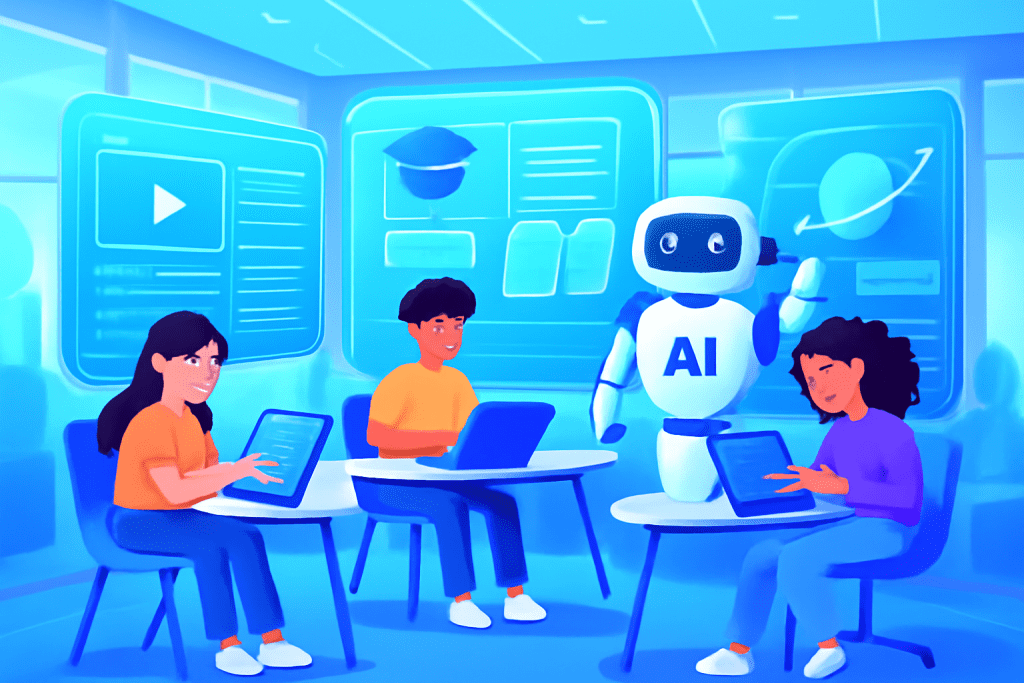
Technology in Education

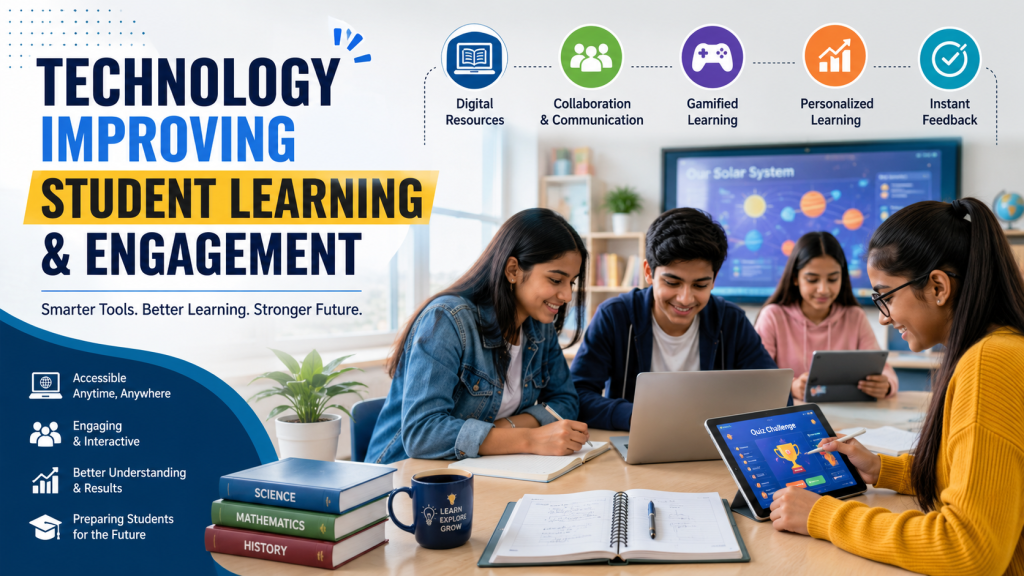
Technology improving student learning and engagement
Education

How Technology Is Improving Student Learning and Engagement

Introduction Technology has become an important part of modern education, changing how students access information, communicate with teachers, and participate in learning activities. Digital classrooms, educational applications, online resources, and interactive tools are making learning more accessible and engaging. Today, students can learn through videos, simulations, virtual classrooms, digital assignments, and collaborative platforms. These technologies can support different learning styles and give students more opportunities to explore subjects beyond the traditional classroom. However, technology is most effective when it is used with a clear educational purpose. The goal should not simply be to add more devices or applications, but to use technology to improve understanding, participation, collaboration, and overall learning outcomes. What Is Technology-Enhanced Learning? Technology-enhanced learning refers to the use of digital tools and technologies to support and improve the learning process. It can include online learning platforms, educational applications, digital textbooks, interactive simulations, virtual classrooms, multimedia resources, and collaboration tools. These technologies can give students access to educational content from different locations and allow them to learn through multiple formats. Instead of relying only on printed materials and traditional lectures, students can combine videos, interactive activities, digital resources, and practical exercises to develop a deeper understanding of different subjects. Examples of Technology in Learning Common examples include learning management systems, online courses, educational videos, virtual laboratories, digital quizzes, collaborative documents, and interactive learning applications. The right combination of these tools can make lessons more engaging while supporting different learning needs. How Technology Improves Student Learning Technology can improve student learning by making educational content easier to access, more interactive, and better suited to different learning needs. Digital tools can help students explore concepts through visual demonstrations, practical activities, simulations, and immediate feedback. 1. Easy Access to Learning Resources Students can access digital textbooks, videos, research materials, online courses, and educational websites from different locations. This gives learners more opportunities to review lessons, explore additional resources, and study outside traditional classroom hours. 2. Interactive Learning Experiences Interactive applications, simulations, quizzes, and multimedia content can make lessons more engaging. Instead of only reading or listening, students can interact with concepts and receive feedback while learning. 3. Personalized Learning Support Digital learning platforms can provide resources based on student progress, interests, and learning needs. Personalized recommendations can help students spend more time on difficult topics and move forward when they are ready. 4. Instant Feedback Online quizzes and digital assessment tools can provide immediate feedback on student performance. Quick feedback helps learners identify mistakes, review difficult concepts, and understand where they need additional practice. How Technology Improves Student Engagement Student engagement is an important part of effective learning. Technology can make lessons more interactive by giving students opportunities to participate, explore ideas, solve problems, and receive immediate responses to their activities. Interactive and Multimedia Content Videos, animations, presentations, simulations, and interactive graphics can present information in different ways. These formats can help students visualize complex concepts and maintain interest during lessons. Gamification in Learning Educational games, challenges, points, badges, and progress systems can introduce game-like elements into learning activities. When used appropriately, gamification can encourage participation and make practice activities more engaging. Collaborative Learning Digital collaboration tools allow students to work together on projects, share ideas, communicate with classmates, and create content. These activities can help develop teamwork, communication, and problem-solving skills. Learning Beyond the Classroom Technology allows students to continue learning outside traditional classroom hours. Online courses, educational videos, digital libraries, and learning applications can provide additional opportunities for exploration and practice. Benefits of Technology in Education When used effectively, technology can provide several benefits for students, teachers, and educational institutions. It can make learning more flexible, accessible, interactive, and connected while giving educators additional tools to support student progress. Greater Accessibility Digital resources can make educational content available to students who may not always be able to attend traditional classroom sessions. Online materials can also support learners in different locations and with different learning requirements. Flexible Learning Technology allows students to access lessons and resources according to their schedules and learning pace. Recorded lectures, online courses, and digital materials give learners greater flexibility in deciding when and how they study. Improved Collaboration Digital communication and collaboration platforms make it easier for students and teachers to share information and work together. Students can collaborate on projects even when they are not physically in the same classroom. Development of Digital Skills Regular use of technology can help students develop digital literacy, communication, research, collaboration, and problem-solving skills. These skills can be valuable for higher education and future workplaces. Support for Teachers Technology can help teachers organize learning materials, create assessments, communicate with students, and track progress. These tools can reduce repetitive work and give educators more time to focus on teaching and student support. Challenges of Using Technology in Education Although technology can improve learning and engagement, its use in education also creates certain challenges. Schools and educational institutions need to consider access, privacy, security, screen time, costs, and teacher training when introducing digital tools. Digital Divide Not every student has equal access to reliable internet, computers, smartphones, or other digital devices. Differences in access can create unequal learning opportunities, particularly when important educational resources are available mainly online. Privacy and Security Educational platforms may collect student information and learning data. Schools and technology providers need appropriate privacy and security practices to protect this information and ensure that digital resources are used responsibly. Excessive Screen Time Excessive use of digital devices can affect concentration and reduce opportunities for physical activity and face-to-face interaction. Technology should be balanced with discussions, practical activities, reading, and other forms of learning. Technology Costs Implementing digital learning systems may require investment in devices, software, internet infrastructure, maintenance, and training. Educational institutions need to consider these costs when planning technology adoption. Teacher Training Teachers need appropriate training to use educational technologies effectively. Without sufficient support, even useful digital tools may not deliver their intended educational benefits. The Future of Technology in Education The role of technology
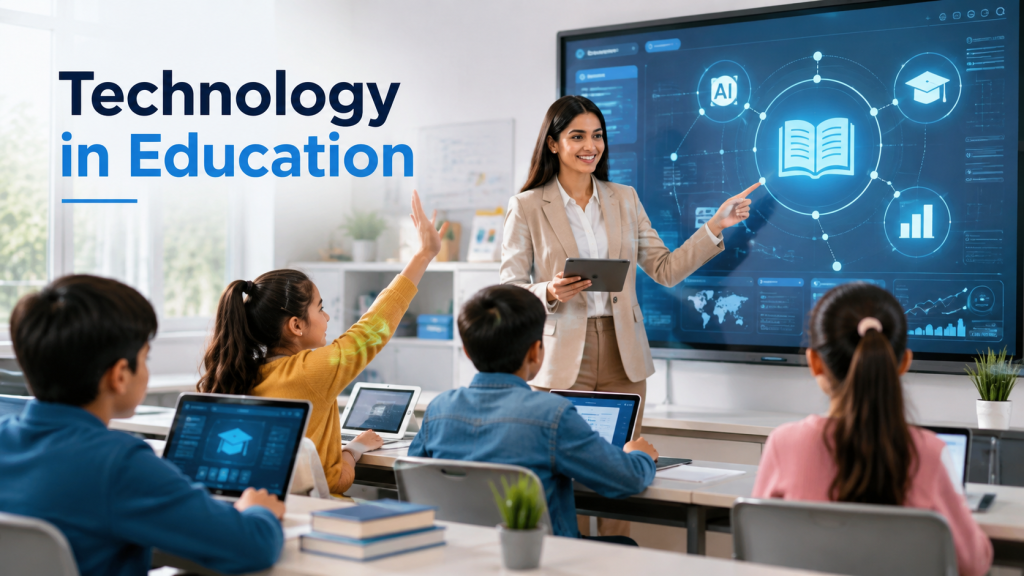

Technology in education with students using digital learning tools
Education

How Technology Is Transforming Education in 2026

Introduction Technology in education has become an important part of modern learning. From digital classrooms and online learning platforms to artificial intelligence and personalized learning tools, technology is changing how students access information, interact with teachers, and develop new skills. In 2026, the focus is no longer simply on putting more devices into classrooms. The bigger goal is to use technology in ways that improve learning, support teachers, increase accessibility, and help students develop the skills they need for the future. What Is Educational Technology? Educational technology, often called EdTech, refers to the use of digital tools and technologies to support teaching and learning. It includes online learning platforms, educational applications, learning management systems, digital classrooms, interactive tools, artificial intelligence, and digital assessment solutions. Educational technology can include: Online learning platforms Educational applications Learning management systems Digital classrooms Interactive whiteboards Video-based learning Artificial intelligence tools Learning analytics Virtual and augmented reality Digital assessment tools How Technology Is Transforming Education Technology is changing education in many ways, from making learning more accessible to helping teachers create more engaging and personalized learning experiences. Some of the most important changes can be seen in digital learning, artificial intelligence, personalized education, interactive learning, smart classrooms, and online collaboration. 1. Digital Learning Has Made Education More Accessible One of the biggest changes brought by technology is the growth of digital learning. Students can now access educational content through computers, tablets, and smartphones. Online courses, recorded lectures, digital textbooks, educational videos, and interactive learning platforms allow learners to study from different locations and at different times. 2. Artificial Intelligence Is Supporting Teaching and Learning Artificial intelligence is becoming one of the most significant developments in education. AI-powered tools can help generate learning materials, provide explanations, support research, assist teachers with lesson planning, and offer personalized learning experiences. 3. Personalized Learning Is Becoming More Practical Every student learns differently. Some students understand concepts quickly, while others may need additional explanations and practice. Technology can help create more personalized learning experiences by analyzing student progress and recommending appropriate resources, exercises, or learning paths. 4. Interactive Learning Makes Education More Engaging Traditional textbooks remain valuable, but digital tools can add more interactive elements to the learning experience. Students can learn through educational videos, simulations, interactive quizzes, digital presentations, virtual experiments, and gamified learning activities. These methods can make difficult concepts easier to understand by allowing students to see, explore, and practice concepts rather than only reading about them. 5. Smart Classrooms Are Changing the Learning Environment Smart classrooms combine traditional teaching methods with digital technologies. Teachers can use interactive displays, multimedia content, online resources, digital assessments, and collaborative platforms to make lessons more engaging. Technology can support teachers in explaining complex concepts and creating a more interactive learning environment for students. 6. Online Collaboration Is Connecting Learners Technology has made collaboration easier for students and teachers. Students can work together on projects using online documents, communication platforms, virtual classrooms, and shared digital workspaces. This allows learners to collaborate from different locations while developing important skills such as communication, teamwork, problem-solving, and digital literacy. 7. Technology Is Helping Teachers Too The impact of educational technology is not limited to students. Teachers can use digital tools to organize course materials, create assessments, track student progress, communicate with learners, and prepare lessons. Technology can support teachers with preparation and administrative tasks while allowing them to focus more on teaching and student interaction. Benefits of Technology in Education When implemented thoughtfully, technology in education can provide several benefits for students, teachers, and educational institutions. Greater Accessibility Digital resources can make educational content available to learners beyond traditional classrooms. Students can access lessons, study materials, and educational resources from different locations. Flexible Learning Technology allows students to access lessons and learning resources according to their schedules and individual learning needs. This flexibility can be especially useful for students who prefer learning at their own pace. Personalized Education Digital learning platforms can use student progress and performance information to recommend suitable resources and activities. This can help create learning experiences that better match individual needs. Better Engagement Interactive videos, quizzes, simulations, digital presentations, and other learning tools can make lessons more engaging and help students understand difficult concepts more effectively. Improved Collaboration Digital platforms make it easier for students and teachers to communicate, share resources, and work together on projects, even when they are in different locations. Development of Digital Skills Regular use of educational technology can help students develop digital skills that are increasingly important for higher education, employment, and everyday life. Challenges of Using Technology in Education While technology offers many benefits, its use in education also comes with certain challenges. Schools and educational institutions need to address these challenges to ensure that technology improves learning rather than creating new problems. Digital Divide Not every student has equal access to smartphones, computers, reliable internet connections, or other digital resources. This digital divide can create differences in learning opportunities between students. Screen Time Excessive screen time can affect students’ attention and overall learning experience. Technology should therefore be used purposefully, with a healthy balance between digital activities and other forms of learning. Privacy and Security Educational platforms may handle student information and other sensitive data. Schools and technology providers need to follow appropriate privacy and security practices to protect this information. Overdependence on Technology Students should not become completely dependent on digital tools for learning and problem-solving. Developing independent thinking, creativity, and critical thinking skills remains essential. Teacher Training Teachers need appropriate training and support to use new technologies effectively. Providing training can help educators understand how to integrate digital tools into their teaching without allowing technology to distract from learning objectives. The Future of Technology in Education The future of education is likely to involve a combination of human teaching and carefully selected technologies. Artificial intelligence, adaptive learning platforms, digital classrooms, learning analytics, and immersive learning experiences may become increasingly common. However, technology alone cannot solve every educational challenge. The most effective

AI handles grading so educators mentor, and data analytics predict at-risk learners early
Educational Technology

How Technology is Changing Education

Introduction Technology has transformed education from static classrooms into dynamic, personalized learning ecosystems where AI tutors, immersive VR labs, and mobile platforms deliver real-time adaptive instruction to billions of learners worldwide. These tools now bridge access gaps, boost retention through gamified experiences, and prepare students for AI-driven careers, making education more inclusive and effective than ever before. In April 2026, schools leverage AR/VR for virtual field trips and simulations while mobile apps provide anytime learning with AI-powered personalization. This shift addresses traditional limitations like one-size-fits-all teaching and geographic barriers. Just two decades ago, education meant chalkboards and textbooks. Today, 6.8 billion mobile users access AI-driven platforms, AR overlays make math tangible, and global virtual collaborations connect students across continents. The global EdTech market exceeds $400 billion, driven by post-pandemic hybrid models and AI personalization that addresses individual learning gaps with surgical precision. These shifts solve core problems: low engagement (traditional methods retain just 10-20%), access barriers for remote students, and teacher overload. VR/AR simulations enable risk-free labs, AI handles grading so educators mentor, and data analytics predict at-risk learners early. Yet challenges remain—the digital divide affects 44% without reliable internet, teacher training lags, and screen fatigue demands balance. This guide explores 2026’s transformative technologies, real-world impacts, equity solutions, and implementation strategies for schools and parents. Whether you’re an educator seeking VR tools or a policymaker planning digital infrastructure, understand how technology makes learning engaging, equitable, and future-proof. AI-Powered Personalization AI now acts as virtual tutors that adapt lessons to individual learning styles, paces, and knowledge gaps in real time. Platforms analyze student performance across subjects and generate custom exercises, explanations, and even motivational feedback tailored to each learner. Key benefits include: Real-time progress tracking with predictive analytics. Automated grading and feedback, freeing teachers for mentorship. Multilingual support reaching non-native speakers instantly. Studies show AI-assisted learning boosts retention by 35-47% compared to traditional methods. Immersive AR/VR Learning Augmented Reality overlays interactive 3D models onto textbooks while Virtual Reality transports students inside historical events or molecular structures. Classrooms use affordable VR headsets for risk-free science experiments and anatomy dissections. VR retention rates reach 75% versus 10% for reading alone. AR makes abstract math and physics tangible through manipulable holograms. Global virtual field trips eliminate travel costs for under-resourced schools. Mobile-First Learning Platforms With 6.8 billion mobile users, education has gone pocket-sized. Apps deliver micro-lessons, gamified quizzes, and collaborative projects accessible 24/7. Popular 2026 implementations: AI study companions with voice interaction. Peer-to-peer knowledge sharing via social learning networks. Offline-capable content for remote areas. Data-Driven Administration Technology streamlines school operations through digital platforms for enrollment, attendance, and parent communication. Predictive analytics identify at-risk students early, enabling targeted interventions. Challenges and Equity Despite progress, the digital divide persists—56% global internet access creates uneven opportunities. Teacher training lags behind tools, and screen fatigue affects young learners. Solutions gaining traction: Low-cost shared devices and offline apps. Hybrid models blending tech with hands-on learning. Government subsidies for rural connectivity. Conclusion Technology has made education more engaging, accessible, and effective, with AI, AR/VR, and mobile platforms leading 2026’s transformation. Schools succeeding today invest in teacher training, equitable access, and balanced tech-human instruction to maximize benefits while addressing gaps. Start exploring these tools in your classroom or institution—future-ready education begins with one adaptive lesson. FAQ How does AI improve learning outcomes? AI personalizes content to match individual needs, providing instant feedback and adapting difficulty, which research shows increases retention by 35-47%. Are VR/AR tools affordable for schools? Costs dropped 70% since 2023; cloud-based VR and smartphone AR now serve most classrooms with shared headsets under $50 per student. What is mobile learning’s biggest advantage? Anytime, anywhere access—students in remote areas complete full courses via offline apps, closing access gaps. Does technology replace teachers? No, it enhances them—teachers shift to facilitation while AI handles repetitive tasks, improving mentor-student relationships. How can schools address the digital divide? Invest in low-cost devices, offline content, and teacher training; public-private partnerships provide subsidized connectivity.

App Development

Technology Impact on Education: An Ultimate Guide for CEO

Introduction In the last decade, technology has reshaped education in ways we could have never imagined. From AI-driven learning platforms to immersive virtual classrooms, the shift is not just about digitization—it’s about redefining how knowledge is delivered, accessed, and experienced. For CEOs in the education sector, understanding this transformation is more than a competitive advantage—it’s a necessity. In this guide, we’ll explore how technology is impacting education, the opportunities it creates, and how leadership can leverage it for long-term success. 1. The Evolution of Education Technology The journey from chalkboards to smartboards and from physical libraries to cloud-based learning has been rapid. Platforms now integrate AI, data analytics, and interactive tools to create personalized learning experiences. For a deep dive into AI’s role in modern industries, check out this AI insights page which outlines how artificial intelligence is driving smarter decision-making. 2. The CEO’s Role in EdTech Transformation CEOs must do more than approve tech budgets—they must champion innovation. This includes: Encouraging data-driven decision-making for student success. Partnering with technology service providers to build scalable solutions. Ensuring accessibility and inclusivity in all learning platforms. If you’re looking to collaborate with experts in technology services, visit the partner page to explore strategic alliances. 3. Core Technologies Shaping Education Here are the key technologies making waves in education today: a) Artificial Intelligence (AI) From grading automation to personalized learning recommendations, AI is making classrooms more adaptive. Learn more about AI’s broader applications here. b) Web Development & Interactive Learning Platforms Modern education relies on engaging, responsive web platforms. CEOs can leverage services like web development solutions to create seamless online learning experiences. c) E-commerce for Education Selling courses, eBooks, and digital training materials online is now easier than ever. The eCommerce industry page shows how digital sales platforms can be integrated with education systems. 4. Strategic Benefits of Technology in Education Global Reach: Students from any part of the world can access your programs. Personalized Learning: Adaptive content tailored to each learner. Operational Efficiency: Reduced administrative costs through automation. Data Insights: Better tracking of student performance and engagement. For more about our vision and mission in transforming industries through technology, visit our about page. 5. Preparing for the Future of Education The future is AI-powered, mobile-first, and highly interactive. CEOs should focus on: Investing in scalable tech infrastructure. Partnering with innovative service providers (explore services). Fostering a culture of continuous learning in their organizations. Final Thoughts The impact of technology on education is undeniable. For CEOs, it’s not just about keeping up—it’s about leading the change. By embracing AI, web technologies, and innovative business models, leaders can ensure their institutions remain relevant, competitive, and impactful. To explore more about how technology can transform your business, visit TechOTD’s main website and discover solutions tailored for your needs.

Scroll to Top