

student productivity

Student comparing different learning apps on a laptop and phone to choose the best one for study goals, usability, and features.
App Development, Education & Learning

How to Choose the Right Learning App

Introduction Choosing the right learning app starts with understanding your goal. Whether you want to improve grades, learn a new skill, practice a language, or stay organized, the best app is the one that matches your needs, learning style, and daily routine. A learning app should not just give you content; it should help you learn in a way that feels simple, useful, and easy to maintain over time. When the app fits your purpose, studying becomes less stressful and more effective. With so many learning apps available today, it is easy to feel overwhelmed by choices. Some apps focus on video lessons, others on flashcards, quizzes, note-taking, progress tracking, or AI-based personalization, so the right one depends on what you want to learn and how you learn best. This is why it is important to look beyond popularity and focus on actual value. An app that works well for one person may not be the right choice for someone else, especially if their learning goals are different. A good learning app should do more than look attractive. It should support your actual learning goals, offer a simple interface, provide useful feedback, and make it easier to stay consistent over time. The best apps save time instead of wasting it, help you stay focused, and make difficult topics easier to understand. Features like reminders, progress reports, offline access, and interactive practice can make a big difference in how effective your study sessions are. Before choosing an app, think about your purpose. Are you preparing for exams, learning a language, building a professional skill, or helping a child learn? Different goals call for different features, such as offline access, curriculum alignment, accessibility, or adaptive practice. It also helps to test apps before committing. Free trials, demo versions, and small pilot use can reveal whether an app is easy to use, engaging, safe, and worth the cost. In the end, the right learning app is the one that helps you stay motivated and make real progress. It should fit into your routine naturally, support the way you learn, and give you confidence that your time is being used well. When chosen carefully, a learning app can become more than just a tool it can become a smart partner in your learning journey. How to Choose Match the app to your goal, such as exam prep, language learning, or subject practice. Check usability, because a clean and simple interface makes learning easier. Look for feedback features like quizzes, progress reports, and spaced repetition. Consider privacy and data security, especially for children or school use. Test the app on your device and compare free and paid versions before deciding. Conclusion The right learning app should make studying simpler, not more confusing. When an app fits your goals, learning style, and schedule, it becomes a helpful tool instead of a distraction. The best choice is usually the one that is easy to use, safe, engaging, and actually helps you make progress. A little testing upfront can save a lot of frustration later. FAQ What is the most important thing to look for in a learning app? The most important thing is alignment with your learning goal, because an app only helps if it supports what you are trying to achieve.digitallearninginstitute+1 Should I choose a free or paid learning app? Start with a free version or trial if possible, then upgrade only if the app offers features you truly need. How do I know if a learning app is effective? An effective app gives clear feedback, keeps you engaged, tracks progress, and helps you retain information better over time. Is privacy important when choosing a learning app? Yes, especially for children and school use, because apps may collect personal or learning data. Can one learning app work for everyone? Not usually, because learners have different goals, ages, and styles, so the best app depends on the user. What should I test before choosing an app? Test ease of use, content quality, feedback tools, device compatibility, and whether the app keeps you motivated.
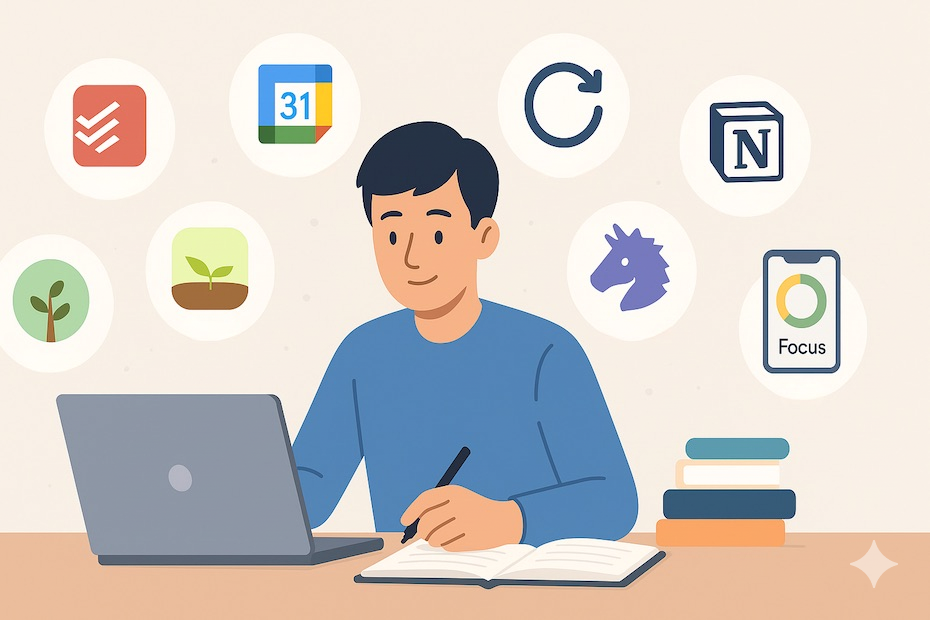
Student using an online education app on a laptop to study smarter with flashcards, quizzes, and digital learning tools
Education & Learning, Uncategorized

How to Study Smarter, Not Harder, Using Online Education Apps

Introduction Studying smarter, not harder, is all about using your time, energy, and attention in the most effective way possible. Instead of spending long hours rereading notes or cramming the night before an exam, you can use online education apps to make learning more organized, interactive, and efficient. These apps help you stay focused, track progress, revise faster, and understand concepts in a way that feels less stressful and more productive. The biggest advantage of online education apps is flexibility. You can study anytime, anywhere, whether you are at home, on the bus, or taking a short break between classes. Many apps offer flashcards, quizzes, video lessons, reminders, progress tracking, and AI-based learning support. This means you can turn even a few spare minutes into useful study time. Instead of relying only on traditional methods, you get access to tools that adapt to your learning style and help you concentrate on what matters most. Another important benefit is better retention. When you study through apps that use repetition, testing, and interactive practice, your brain remembers information more effectively. For example, flashcards help with quick recall, practice tests show weak areas, and structured learning plans keep you consistent. This makes studying feel less overwhelming because you are not trying to memorize everything at once. You are breaking lessons into smaller, manageable parts that are easier to understand and remember. Online education apps also reduce distraction when used properly. Many students struggle because their study process is unstructured, but digital tools can help create a routine. You can set study goals, follow daily reminders, and use timers or focus modes to stay on track. Some apps even personalize learning by recommending topics based on your progress. This gives you a smarter system instead of random effort, which is exactly what studying smarter is meant to be. The best part is that these apps are useful for different kinds of learners. Whether you prefer videos, notes, quizzes, or visual learning, there is usually an app that fits your style. A student preparing for exams, a professional learning a new skill, or a beginner trying to understand a subject can all benefit from the same approach: study with intention, use the right tools, and avoid wasting time on methods that do not work. When you combine smart habits with online education apps, learning becomes faster, easier, and far more effective. Conclusion Studying smarter means using your time wisely, staying organized, and choosing tools that improve learning efficiency. Online education apps make this possible by offering structure, practice, personalization, and convenience. When you use the right apps consistently, studying becomes less stressful and more effective. You do not need to study longer than everyone else—you just need to study in a better way. FAQ What does it mean to study smarter, not harder? It means using efficient learning methods and tools so you can understand and remember more in less time. How do online education apps help with studying? They offer flashcards, quizzes, lessons, reminders, progress tracking, and personalized learning support. Which apps are useful for smarter studying? Flashcard apps, note-taking apps, focus timers, quiz apps, and video learning platforms are all helpful. Can these apps improve exam performance? Yes, because they help you revise regularly, identify weak areas, and practice more effectively. Are online education apps good for beginners? Yes, they are easy to use and can help beginners build a simple and consistent study routine. How many hours should I study with apps? There is no fixed number, but short focused sessions are often more effective than long unfocused ones.

Scroll to Top