smart manufacturing

Cloud Computing and Technology, Educational Technology, Technology

The Evolution of Smart Factories: Industry 5.0 and Human-Machine Collaboration

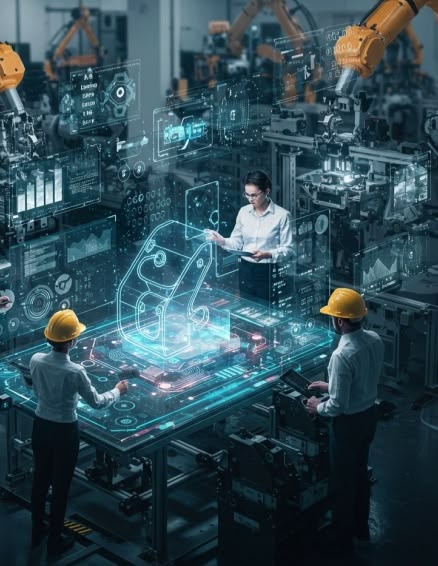
Introduction The manufacturing industry has experienced several technological revolutions over the past century. From the introduction of mechanized production systems during the First Industrial Revolution to the emergence of automation and digital technologies in Industry 4.0, each phase has fundamentally changed how products are designed, manufactured, and delivered. Today, the world is entering a new era known as Industry 5.0. Unlike Industry 4.0, which primarily focused on automation, connectivity, and efficiency, Industry 5.0 places humans back at the center of industrial operations. It emphasizes collaboration between people and advanced technologies such as artificial intelligence, robotics, machine learning, digital twins, and the Industrial Internet of Things (IIoT). Smart factories are no longer designed to replace human workers. Instead, they are evolving into intelligent environments where humans and machines work together to achieve greater productivity, creativity, sustainability, and innovation. This shift is reshaping the future of manufacturing and creating opportunities for organizations to build more resilient, adaptive, and human-centric production systems. Understanding the Journey from Industry 4.0 to Industry 5.0 Industry 4.0 introduced technologies that transformed traditional factories into highly connected digital ecosystems. Sensors, cloud computing, big data analytics, and autonomous machines enabled manufacturers to automate repetitive tasks and optimize production processes. While Industry 4.0 delivered significant efficiency improvements, many organizations discovered that complete automation was not always the ideal solution. Human expertise, creativity, problem-solving abilities, and emotional intelligence remained essential in many industrial environments. Industry 5.0 emerged as a response to this realization. Rather than focusing solely on automation, Industry 5.0 aims to create a balanced relationship between human workers and intelligent machines. The goal is not to replace people but to empower them with advanced technologies that enhance their capabilities and improve decision-making. This approach recognizes that the most successful factories of the future will combine the strengths of both humans and machines. What Is a Smart Factory? A smart factory is a manufacturing facility that uses digital technologies to monitor, analyze, and optimize production processes in real time. Unlike traditional factories, smart factories can continuously collect data from machines, equipment, and production lines. This data is then processed using AI and analytics tools to improve efficiency, reduce downtime, and support better decision-making. Key characteristics of a smart factory include: Real-time data collection and monitoring Connected machines and devices Predictive maintenance systems Automated production workflows AI-powered analytics Digital twins and simulations Advanced robotics Cloud-based manufacturing platforms With the introduction of Industry 5.0, smart factories are becoming more human-centric, enabling workers to collaborate effectively with intelligent systems. The Core Principles of Industry 5.0 Industry 5.0 is built around three major principles: Human-Centric Manufacturing The human-centric approach focuses on improving the role of workers within industrial environments. Technology is designed to support people rather than replace them. Employees are empowered with AI-driven tools, augmented reality systems, and collaborative robots that assist them in performing complex tasks more efficiently. This creates a workplace where technology enhances human capabilities while improving job satisfaction and workplace safety. Sustainability Sustainability has become a critical priority for modern manufacturers. Industry 5.0 encourages organizations to reduce waste, optimize resource consumption, and minimize environmental impact. Smart factories can use AI and analytics to monitor energy usage, reduce emissions, and improve production efficiency. Sustainable manufacturing practices help businesses meet regulatory requirements while supporting global environmental goals. Resilience Recent global disruptions have highlighted the importance of resilient supply chains and manufacturing systems. Industry 5.0 emphasizes adaptability and flexibility, enabling factories to respond quickly to changing market conditions, supply chain disruptions, and customer demands. Advanced analytics and digital technologies allow manufacturers to identify potential risks and take proactive measures before problems escalate. Human-Machine Collaboration: The Foundation of Industry 5.0 One of the most significant aspects of Industry 5.0 is the concept of human-machine collaboration. Instead of operating independently, humans and machines work together as partners. Machines excel at tasks involving speed, precision, data processing, and repetitive operations. Humans contribute creativity, innovation, critical thinking, and emotional intelligence. When combined, these strengths create a highly efficient and adaptable manufacturing environment. Examples of human-machine collaboration include: Robots assisting workers with heavy lifting AI systems supporting quality control inspections Augmented reality guiding technicians during maintenance Machine learning tools providing production recommendations Digital assistants helping operators make informed decisions This collaborative approach enables organizations to achieve higher productivity while maintaining human oversight and expertise. The Rise of Collaborative Robots (Cobots) Collaborative robots, commonly known as cobots, are among the most important technologies driving Industry 5.0. Unlike traditional industrial robots that operate within isolated safety cages, cobots are designed to work directly alongside human employees. Cobots can perform repetitive, physically demanding, or dangerous tasks while allowing workers to focus on higher-value activities. Benefits of cobots include: Improved worker safety Increased productivity Reduced physical strain Faster production cycles Greater operational flexibility Easier deployment and programming Manufacturers across industries are adopting cobots to create safer and more efficient work environments. As technology continues to advance, cobots are becoming more intelligent and capable of adapting to changing production requirements. Artificial Intelligence in Smart Factories Artificial intelligence serves as the brain of modern smart factories. AI systems can analyze massive amounts of operational data and identify patterns that would be difficult for humans to detect. Applications of AI in manufacturing include: Predictive Maintenance AI algorithms can predict equipment failures before they occur. By analyzing machine performance data, manufacturers can schedule maintenance proactively, reducing downtime and repair costs. Quality Control Computer vision systems powered by AI can inspect products with remarkable accuracy. Defects can be identified in real time, ensuring higher product quality and reducing waste. Production Optimization AI can continuously evaluate production processes and recommend improvements. This helps manufacturers maximize efficiency while minimizing resource consumption. Demand Forecasting Machine learning models can predict market demand and optimize production schedules accordingly. This reduces inventory costs and improves supply chain management. AI is becoming an essential component of Industry 5.0, helping organizations make smarter and faster decisions. Digital Twins and Virtual Manufacturing Digital twin technology is transforming how manufacturers design and manage industrial operations.
Manufacturing, Technology

Smart Factories and Industry 4.0: The Future of Manufacturing Operations

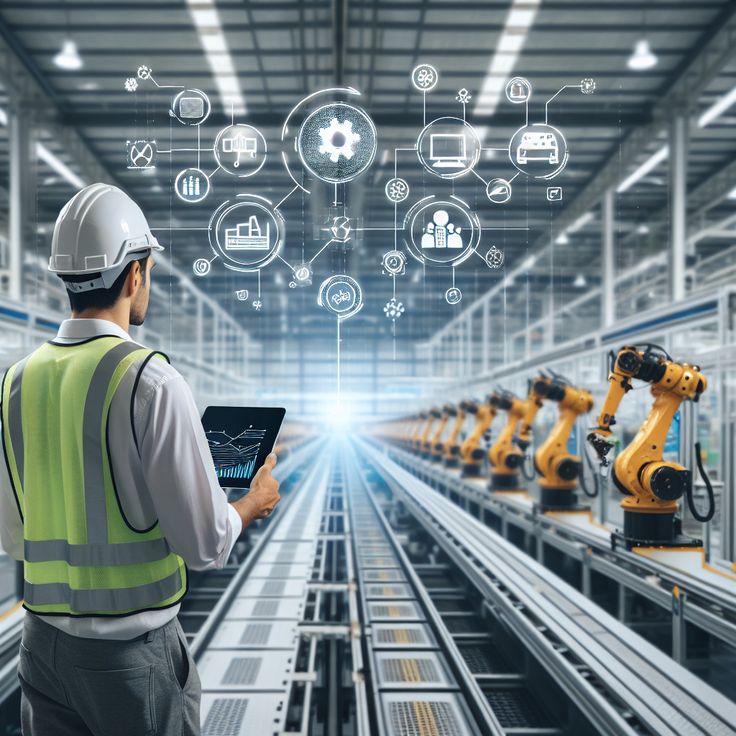
Smart Factories and Industry 4.0: The Future of Manufacturing Operations Manufacturing has always been a driving force behind economic growth and industrial development. From the steam-powered machines of the First Industrial Revolution to the computer-controlled production systems of the modern era, manufacturing has continuously evolved to meet changing market demands. Today, the industry is experiencing another major transformation known as Industry 4.0, a technological revolution that is redefining how factories operate, produce goods, and interact with supply chains. At the heart of this transformation lies the concept of the smart factory. Unlike traditional manufacturing facilities that rely heavily on manual monitoring and isolated systems, smart factories use interconnected technologies such as Artificial Intelligence (AI), the Internet of Things (IoT), cloud computing, robotics, and advanced analytics to create highly intelligent and automated production environments. As global competition intensifies and customer expectations continue to rise, manufacturers are under increasing pressure to improve efficiency, reduce costs, enhance product quality, and accelerate innovation. Smart factories provide a solution by enabling real-time visibility, predictive decision-making, and seamless communication across the entire production ecosystem. The combination of Industry 4.0 technologies and smart manufacturing practices is not simply improving existing processes; it is fundamentally changing how products are designed, manufactured, delivered, and maintained. Organizations that embrace this shift are positioning themselves for long-term success in an increasingly digital and connected world. Understanding Industry 4.0 Industry 4.0 represents the fourth industrial revolution, characterized by the integration of digital technologies into manufacturing and industrial operations. It connects machines, systems, and people through intelligent networks that enable autonomous decision-making and real-time data exchange. The first industrial revolution introduced mechanization through steam power. The second brought mass production through electricity and assembly lines. The third revolution introduced computers and automation. Industry 4.0 builds upon these developments by creating smart, connected, and data-driven manufacturing environments. The primary goal of Industry 4.0 is to create a seamless flow of information across all aspects of manufacturing operations. This allows organizations to respond quickly to changing conditions, optimize production processes, and improve overall performance. Smart factories serve as the practical implementation of Industry 4.0 principles. They combine digital technologies with traditional manufacturing processes to create adaptive and intelligent production systems capable of self-monitoring and self-optimization. What Is a Smart Factory? A smart factory is a highly digitized manufacturing facility where machines, sensors, software systems, and employees work together through connected networks to improve productivity and efficiency. In a smart factory, production equipment continuously generates data that is analyzed in real time. This information helps manufacturers identify inefficiencies, predict equipment failures, optimize workflows, and maintain consistent product quality. Unlike traditional factories where decisions often rely on manual intervention and historical reports, smart factories use real-time insights to support immediate action. Machines can communicate with each other, adjust production schedules automatically, and even detect potential issues before they impact operations. The result is a manufacturing environment that is more flexible, efficient, and responsive to customer needs. Key Technologies Powering Smart Factories The success of smart factories depends on several advanced technologies working together to create an interconnected manufacturing ecosystem. Internet of Things (IoT) The Internet of Things forms the foundation of Industry 4.0. IoT devices and sensors collect data from machines, production lines, and industrial equipment. These sensors monitor various parameters such as temperature, pressure, vibration, energy consumption, and machine performance. The collected data provides valuable insights into operational conditions and production efficiency. By connecting physical assets to digital systems, IoT enables real-time visibility across manufacturing operations and supports proactive decision-making. Artificial Intelligence and Machine Learning Artificial Intelligence plays a critical role in transforming raw manufacturing data into actionable insights. AI algorithms can analyze large volumes of information, identify patterns, and predict future outcomes. Machine learning systems continuously improve their accuracy by learning from historical and real-time data. Manufacturers use AI for predictive maintenance, quality control, demand forecasting, inventory optimization, and production planning. These capabilities help reduce downtime, improve product quality, and increase operational efficiency. Industrial Robotics Modern industrial robots have become increasingly intelligent, flexible, and collaborative. Unlike traditional robots designed for repetitive tasks, advanced robotic systems can adapt to changing production requirements and work alongside human employees. These collaborative robots, often called cobots, enhance productivity while improving workplace safety. Robots are widely used for assembly, welding, packaging, material handling, and inspection processes, allowing manufacturers to maintain high levels of accuracy and consistency. Cloud Computing Cloud computing provides the infrastructure needed to store, process, and analyze vast amounts of manufacturing data. By leveraging cloud platforms, manufacturers can access information from multiple locations, improve collaboration, and scale operations without significant infrastructure investments. Cloud-based systems also enable remote monitoring and management of manufacturing facilities, making it easier to oversee global production networks. Digital Twins A digital twin is a virtual representation of a physical asset, process, or production system. Digital twins allow manufacturers to simulate real-world conditions, test different scenarios, and evaluate potential improvements without disrupting actual operations. By creating accurate digital models of machines and production lines, organizations can optimize performance, reduce risks, and accelerate innovation. Big Data Analytics Manufacturing environments generate enormous volumes of data every day. Big data analytics helps organizations extract valuable insights from this information by identifying trends, detecting anomalies, and uncovering opportunities for improvement. Data-driven decision-making enables manufacturers to optimize production schedules, reduce waste, improve resource utilization, and enhance overall performance. Benefits of Smart Factories The adoption of smart factory technologies offers numerous advantages that extend across all aspects of manufacturing operations. Increased Operational Efficiency Automation and real-time monitoring help eliminate bottlenecks and streamline production processes. Manufacturers can identify inefficiencies quickly and make adjustments before they impact productivity. This leads to higher output and improved resource utilization. Reduced Downtime Unexpected equipment failures can result in costly production interruptions. Predictive maintenance solutions use AI and IoT data to identify potential issues before they cause breakdowns. Maintenance activities can be scheduled proactively, reducing downtime and extending equipment lifespan. Improved Product Quality Smart factories use advanced inspection systems, machine vision, and AI-powered analytics to detect

Artificial Intelligence, Digital Transformation, Technology

How Digital Twins Are Transforming Manufacturing and Smart Cities

How Digital Twins Are Transforming Manufacturing and Smart Cities Imagine being able to create an exact digital replica of a factory, a production line, a power grid, or even an entire city. Now imagine that this digital replica updates itself continuously using real-time data from sensors, machines, cameras, and connected devices. Engineers can test changes before implementing them, city planners can predict traffic congestion before it occurs, and manufacturers can identify equipment failures before they happen. This is the power of digital twin technology. Over the past few years, digital twins have evolved from an experimental concept into one of the most impactful technologies driving digital transformation. Organizations across industries are leveraging digital twins to improve efficiency, reduce costs, optimize operations, and make better decisions based on real-world data. As manufacturing facilities become smarter and cities become increasingly connected, digital twins are emerging as a critical technology that bridges the gap between the physical and digital worlds. Understanding how digital twins work and why they matter is essential for businesses, city planners, and technology leaders looking to stay competitive in an increasingly data-driven future. What Is a Digital Twin? A digital twin is a virtual representation of a physical object, process, system, or environment that continuously receives data from its real-world counterpart. Unlike traditional simulations that rely on static information, digital twins are dynamic. They constantly collect and analyze real-time data through sensors, Internet of Things (IoT) devices, software systems, and connected networks. The digital model mirrors the current condition of the physical asset and can predict future behavior based on historical and live data. For example, in a manufacturing plant, a digital twin of a machine can monitor temperature, vibration levels, energy consumption, and production output. If the system detects unusual behavior, it can alert operators before a costly breakdown occurs. Similarly, a digital twin of a city can monitor traffic flow, public transportation, energy consumption, water distribution, weather patterns, and infrastructure performance to help authorities make smarter decisions. The combination of IoT, artificial intelligence, cloud computing, big data analytics, and advanced visualization technologies has accelerated the adoption of digital twins across multiple sectors. Why Digital Twins Matter More Than Ever Today’s organizations face increasing pressure to improve operational efficiency while reducing costs and minimizing risks. Manufacturers must manage complex supply chains, maintain equipment reliability, and meet customer demands for faster production. City governments must address challenges such as population growth, traffic congestion, energy management, sustainability, and public safety. Traditional monitoring systems often provide limited visibility into operations. Digital twins offer a more comprehensive approach by providing a complete digital view of physical systems. This enables organizations to move from reactive decision-making to predictive and proactive management. Instead of fixing problems after they occur, organizations can anticipate issues and take action before disruptions happen. This shift is creating significant value across industries and transforming how physical assets are designed, managed, and optimized. The Role of Digital Twins in Modern Manufacturing Manufacturing is one of the industries experiencing the greatest impact from digital twin technology. Modern factories generate enormous amounts of operational data every day. Machines, robots, conveyors, sensors, and production systems continuously produce information that can be used to improve efficiency and productivity. Digital twins bring all this information together into a single intelligent model. Manufacturers can visualize operations in real time, identify inefficiencies, and test improvements without disrupting production. One of the most valuable applications is predictive maintenance. Equipment failures can cause expensive downtime and production delays. Traditional maintenance schedules often rely on fixed intervals, which may result in unnecessary servicing or unexpected breakdowns. Digital twins continuously monitor machine health and identify early warning signs of potential failures. This allows maintenance teams to perform repairs at the optimal time, reducing downtime and extending equipment lifespan. Production optimization is another major benefit. Manufacturers can simulate different production scenarios and evaluate their impact before implementing changes. Whether adjusting workflows, introducing new machinery, or redesigning assembly lines, digital twins help organizations make informed decisions with minimal risk. Quality control also improves significantly. By monitoring production processes in real time, digital twins can identify deviations that may affect product quality. This enables faster corrective actions and helps maintain consistent manufacturing standards. As competition increases and margins become tighter, these improvements can deliver substantial financial benefits. Enhancing Product Development and Innovation Digital twins are not only transforming factory operations but also revolutionizing product development. Traditionally, creating and testing physical prototypes requires significant time and resources. Digital twins enable engineers to evaluate product designs in virtual environments before building physical versions. Manufacturers can test performance, durability, safety, and functionality under various conditions using advanced simulations. This approach reduces development costs, accelerates innovation, and shortens time-to-market. For industries such as automotive, aerospace, electronics, and industrial equipment, digital twins provide a powerful way to improve product quality while reducing design risks. Companies can identify potential issues earlier in the development process and make adjustments before production begins. This creates a more efficient and cost-effective innovation cycle. Supply Chain Visibility and Optimization Global supply chains have become increasingly complex and vulnerable to disruptions. Manufacturers need better visibility into every stage of the supply chain to ensure smooth operations. Digital twins can create virtual models of supply chain networks, allowing organizations to track inventory, shipments, supplier performance, and logistics operations in real time. By analyzing supply chain data, businesses can identify bottlenecks, predict delays, and optimize inventory management. This improved visibility helps organizations respond more effectively to market fluctuations and unexpected disruptions. The ability to simulate different scenarios also supports strategic planning and risk management. As supply chain resilience becomes a top priority for businesses worldwide, digital twins are becoming an essential tool for operational success. How Digital Twins Are Powering Smart Cities The same technology that improves manufacturing efficiency is also helping cities become smarter, safer, and more sustainable. Urban populations continue to grow rapidly, creating increasing demands on infrastructure and public services. City planners face challenges related to transportation, energy consumption, environmental sustainability, housing, waste

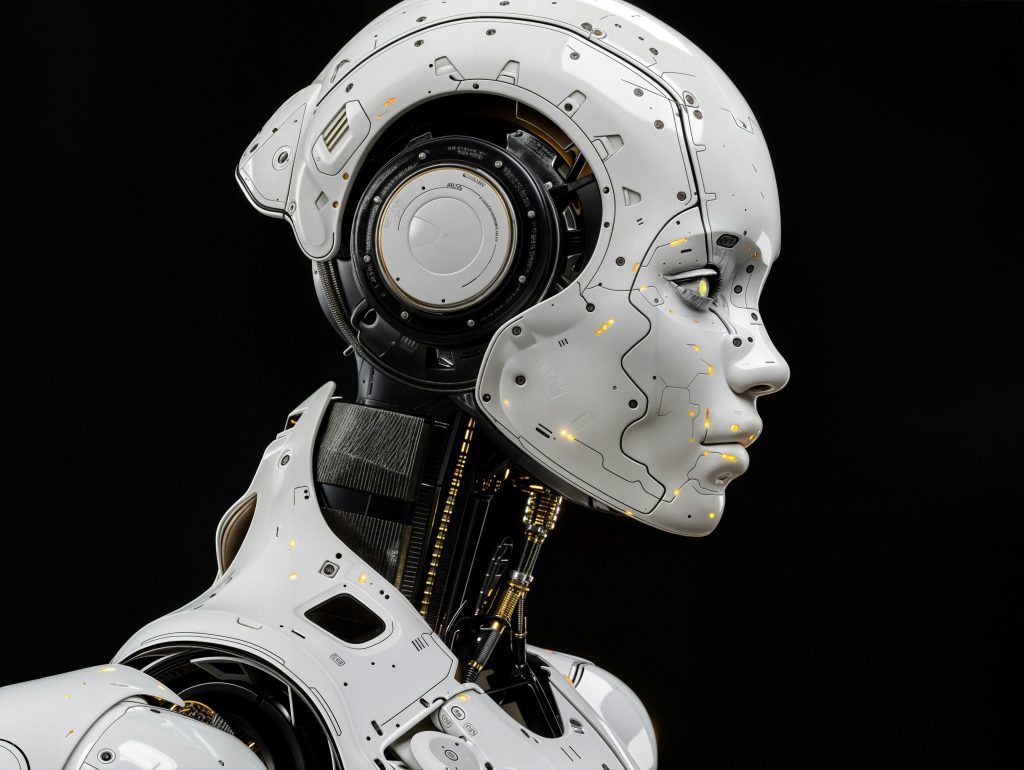
Machines that mimic human gestures and expressions
Uncategorized

The Future of Automation and Robotics: Transforming Industries and Everyday Life

Introduction Automation and robotics are no longer futuristic ideas—they’re a living, breathing reality that’s reshaping industries, transforming workplaces, and redefining how humans interact with machines. From self-driving cars to automated manufacturing lines, robots and intelligent systems are now embedded in nearly every sector. As we enter a new era of Industry 5.0, the collaboration between humans and robots is becoming the cornerstone of innovation. Automation is not just about replacing human labor but about enhancing efficiency, safety, and precision while freeing people for more creative and strategic work. What is Automation and Robotics? Automation refers to the use of technology to perform tasks with minimal human intervention. It involves systems or machines that follow predefined instructions or adapt based on data input.Example: Automated billing systems, robotic assembly lines, and smart home devices. Robotics is a specialized branch of engineering that deals with designing, constructing, and operating robots — machines capable of carrying out complex actions autonomously or semi-autonomously.Example: Industrial robots assembling cars, surgical robots in hospitals, and drones for logistics. When combined, automation and robotics create a powerful synergy that drives speed, accuracy, and cost-effectiveness across industries. Applications Across Industries 1. Manufacturing and Industry 4.0 Robotics in manufacturing has been a game-changer. Automated robotic arms, precision sensors, and AI-powered quality checks ensure products are made faster, safer, and with fewer defects. Example: Car manufacturers like Tesla and Toyota use fully automated production lines with minimal human supervision. Impact: Reduced labor costs, enhanced production rates, and consistent quality. 2. Healthcare and Surgery In healthcare, robotic automation enables precision and minimal invasiveness. Example: The Da Vinci Surgical System assists surgeons with high-precision movements. Impact: Shorter recovery times, smaller incisions, and greater surgical accuracy. 3. Agriculture Robotics is revolutionizing agriculture with smart drones and automated harvesters. Example: Drones monitor crop health, soil quality, and irrigation. Impact: Higher yields, reduced waste, and optimized resource usage. 4. Logistics and Warehousing Automated guided vehicles (AGVs), conveyor systems, and robotic sorters manage large warehouses like those of Amazon or Flipkart. Impact: Improved delivery speed, error reduction, and 24/7 operations. 5. Retail and Customer Service From robotic baristas to self-checkout counters and chatbots, automation is enhancing customer experience and operational efficiency. Example: Walmart uses robots to scan shelves and track inventory. 6. Defense and Security Autonomous drones and surveillance robots are improving national security and battlefield safety. Impact: Risk reduction for soldiers and enhanced decision-making through real-time data analysis. AI and Machine Learning in Robotics Modern robotics heavily relies on Artificial Intelligence (AI) and Machine Learning (ML) to learn from data and make decisions. Robots can now adapt to changing environments and perform complex cognitive tasks like facial recognition or navigation. Collaborative robots (cobots) work safely alongside humans, learning through continuous feedback loops. This integration of AI allows robots to go beyond repetitive tasks and step into roles that demand problem-solving and adaptability. Benefits of Automation and Robotics ✅ Increased productivity and operational efficiency ✅ Reduced human error ✅ Enhanced workplace safety ✅ Lower operational costs ✅ 24/7 operation capability ✅ Consistent quality and output Challenges and Concerns Job Displacement:Automation can replace certain repetitive or manual jobs, leading to workforce restructuring. High Initial Costs:Robotics systems require significant capital investment for setup and maintenance. Cybersecurity Risks:Connected robots can be vulnerable to hacking and data theft. Ethical Dilemmas:The growing autonomy of robots raises questions about accountability, privacy, and human control. The Future of Automation and Robotics The next decade will see humans and robots working together in harmony. Robots will become more intelligent, intuitive, and emotionally aware through AI-driven empathy and neural interfaces. Key Emerging Trends: Humanoid Robots: Machines that mimic human gestures and expressions (e.g., Sophia the Robot). Soft Robotics: Robots made with flexible materials for delicate tasks like food handling. Autonomous Vehicles: Self-driving logistics fleets reducing delivery times and accidents. Industry 5.0: Human-centric automation, where technology empowers—not replaces—humans. The goal is no longer full automation but collaboration, enabling people to focus on creativity, innovation, and decision-making while robots handle the repetitive groundwork. Conclusion Automation and robotics represent the backbone of future innovation. While challenges remain—like cost, ethics, and employment shifts—the benefits are undeniable.Industries that embrace this transformation will thrive in speed, safety, and scale, while those resisting it risk falling behind. The ultimate vision?A world where robots and humans work side-by-side, leveraging each other’s strengths to achieve unprecedented progress. FAQs Q1. How is automation different from robotics?Automation refers to using technology to perform tasks with minimal human input, while robotics specifically involves machines that can execute those tasks physically or intelligently. Q2. Will automation lead to job loss?While some repetitive roles may be automated, new opportunities are emerging in robot maintenance, programming, and AI management. Q3. What are the main industries using robotics today?Manufacturing, logistics, healthcare, agriculture, and defense are leading adopters of robotics technology. Q4. What is the role of AI in modern robotics?AI enables robots to learn from data, adapt to environments, and make intelligent decisions — making them more autonomous and useful across diverse tasks. Q5. What does Industry 5.0 mean?Industry 5.0 focuses on collaboration between humans and robots, emphasizing creativity, personalization, and sustainability rather than full automation.

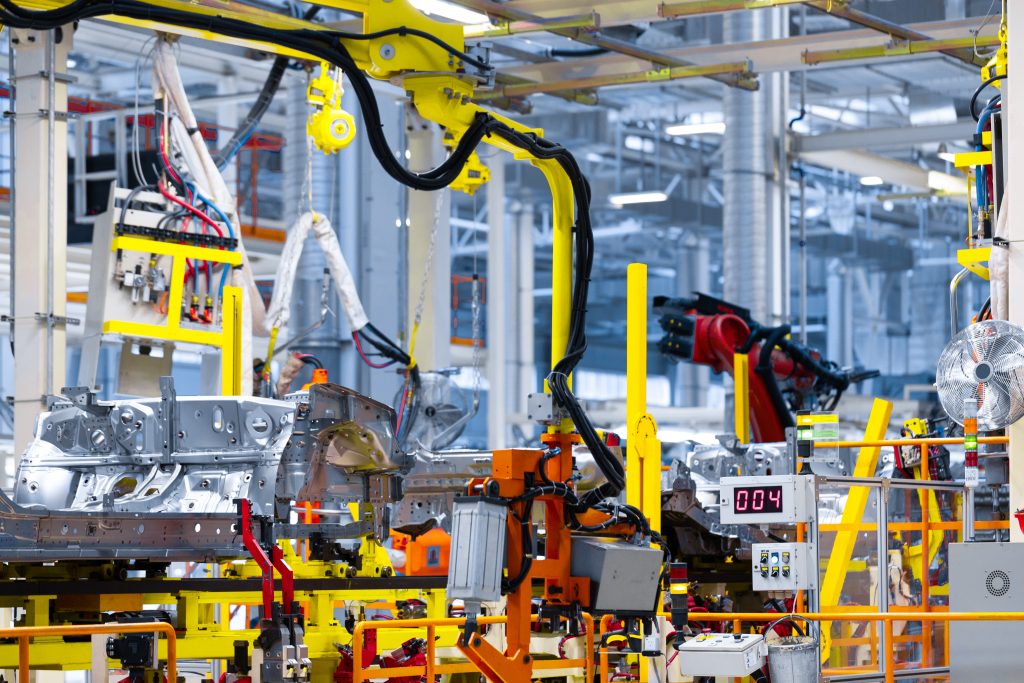
Industrial robotic arms assembling components in a smart factory.
Artificial Intelligence, machine learning

Automation and Robotics: Powering the Future of Work and Industry

Introduction Imagine a world where machines can think, learn, and perform tasks faster, safer, and more accurately than humans. That world isn’t science fiction — it’s happening right now, thanks to automation and robotics. From factory floors to hospitals, logistics hubs to your kitchen, robots and automation systems are revolutionizing how we live and work. They don’t just improve productivity — they redefine what’s possible. This blog explores how automation and robotics are driving innovation, reshaping industries, and creating a future where humans and machines collaborate seamlessly. What Is Automation? Automation refers to the use of technology to perform tasks without human intervention. It’s about replacing repetitive, rule-based processes with smart systems that can work independently — reducing errors and improving speed.  Types of Automation Fixed Automation:Used in mass production lines (e.g., car manufacturing). High volume, low flexibility. Programmable Automation:Machines can be reprogrammed for different tasks. Used in batch production industries. Flexible Automation:Systems quickly adapt to new products or processes. Ideal for industries with frequent design changes. Cognitive Automation (AI-driven):Integrates machine learning and AI for decision-making and self-improvement. Used in customer service bots, predictive maintenance, and data analysis. What Is Robotics? Robotics is a branch of engineering that designs, builds, and operates robots — programmable machines that perform tasks automatically or semi-automatically. Robots combine mechanical components, sensors, actuators, and AI to perform physical actions and make intelligent decisions.  Types of Robots Industrial Robots: Perform assembly, welding, or packaging in factories. Service Robots: Used in healthcare, hospitality, or home cleaning. Autonomous Robots: Navigate environments independently (e.g., drones, self-driving vehicles). Collaborative Robots (Cobots): Work safely alongside humans. Humanoid Robots: Mimic human gestures and expressions. Automation and Robotics in Industry Automation and robotics are the cornerstone of Industry 5.0, the new era of intelligent manufacturing focused on human-machine collaboration.  Manufacturing Robots handle repetitive tasks like assembly, painting, and quality inspection. AI-driven automation predicts equipment failures before they happen. Cobots work side by side with human operators, enhancing safety and precision. Example:Companies like Tesla and BMW use robotic arms for car assembly, improving speed and accuracy. Healthcare Robots assist doctors in surgeries and automate hospital logistics. Surgical robots perform precise operations with minimal invasion. Delivery robots transport medicines and supplies. AI automation manages patient data and diagnostics. Example: The da Vinci Surgical System enables surgeons to perform complex procedures remotely with robotic precision. Logistics and Supply Chain Automation powers warehouse management and delivery systems. Automated Guided Vehicles (AGVs) move materials. Drones deliver goods efficiently. AI systems optimize inventory and routes. Example:Amazon’s fulfillment centers use robots to pick, pack, and ship millions of products daily. Finance and Business Robotic Process Automation (RPA) automates repetitive office tasks like data entry, report generation, and compliance checks. Saves time and reduces human error. Frees employees for higher-value work. Example:Banks use RPA to process loan approvals, detect fraud, and manage accounts. Home and Daily Life From vacuuming robots like Roomba to voice-controlled assistants like Alexa, automation is making homes smarter and lives easier. Smart appliances can learn user habits and operate efficiently, saving energy and effort. The Fusion of AI and Robotics When Artificial Intelligence (AI) meets robotics, machines gain the ability to learn, adapt, and make decisions. Computer vision enables robots to “see” and analyze surroundings. Machine learning helps them improve performance over time. Natural language processing allows them to interact with humans conversationally. Example:Boston Dynamics’ robots like “Atlas” and “Spot” combine AI and robotics to perform complex tasks like running, climbing, and opening doors. Benefits of Automation and Robotics Benefit Description Increased Efficiency Machines can operate 24/7 without fatigue. Precision & Consistency Reduced errors and high-quality output. Safety Robots perform dangerous tasks, reducing workplace injuries. Cost Savings Long-term operational savings after initial setup. Innovation Enables new forms of production and services. Challenges in Automation and Robotics Despite the advantages, challenges exist: Job Displacement: Automation can replace routine tasks. High Initial Investment: Robots and automation systems are costly to deploy. Complex Integration: Requires skilled professionals and system compatibility. Cybersecurity Risks: Connected robots can be vulnerable to hacking. Ethical Dilemmas: Balancing human employment and machine efficiency. However, the Industry 5.0 model focuses on collaboration, not replacement — using robots to assist humans, not eliminate them. The Future of Automation and Robotics The next decade will see automation evolve from mechanical efficiency to intelligent collaboration. Key Future Trends: Cobots in every industry AI-driven autonomous systems Robotics-as-a-Service (RaaS) business models Sustainable automation for green manufacturing Emotional and social robots for healthcare and education Automation and robotics will become integral to every aspect of life — not just replacing humans but enhancing human potential. Conclusion Automation and robotics represent the next leap in human innovation — merging intelligence, precision, and reliability to reshape the future of work. As we enter the Industry 5.0 era, the goal isn’t to remove humans from the equation but to empower them with intelligent machines that amplify creativity, safety, and productivity. The future is not man versus machine — it’s man with machine, building a smarter, more efficient world together. FAQs 1. What is the main difference between automation and robotics?Automation refers to using systems for automatic operations, while robotics involves machines physically performing tasks. 2. What industries use robotics the most?Manufacturing, logistics, healthcare, agriculture, and defense are leading sectors. 3. Will robots take over human jobs?They’ll replace repetitive tasks but also create new roles in programming, maintenance, and AI system design. 4. What are collaborative robots (cobots)?Cobots are robots designed to work safely alongside humans without barriers. 5. How is AI used in robotics?AI helps robots learn, make decisions, and interact naturally with humans and their environment.

Digital lock representing cybersecurity protection and network defense
cybersecurity

Cybersecurity Trends for 2025: Safeguarding the Digital Future

Introduction In the digital age, data is the new currency — and cybercriminals know it. As technology evolves, so do cyber threats, making cybersecurity one of the most critical priorities for businesses, governments, and individuals. With billions of devices connected through 5G, cloud computing, and the Internet of Things (IoT), the attack surface for cybercriminals has expanded like never before. According to industry estimates, global cybercrime costs are projected to reach $10.5 trillion annually by 2025, making cybersecurity not just a technical issue, but a global economic concern. As we step into 2025, the world of cybersecurity is being reshaped by artificial intelligence, automation, and quantum computing — both as tools for protection and as new sources of risk. Let’s dive deep into the trends defining the future of digital defense. Why Cybersecurity Matters More Than Ever Modern businesses operate in an ecosystem of interconnected technologies — from cloud-based services to remote work systems and AI-powered analytics. While these innovations improve efficiency, they also introduce vulnerabilities. Recent high-profile incidents — like ransomware attacks on hospitals, supply chain breaches, and phishing-driven data theft — highlight the urgent need for proactive and adaptive cybersecurity measures. Cybersecurity in 2025 is no longer about building walls; it’s about creating intelligent, self-healing defense systems that can anticipate and neutralize threats in real time. Top Cybersecurity Trends for 2025 1.  AI and Machine Learning in Cyber Defense Artificial Intelligence (AI) and Machine Learning (ML) have become the backbone of modern cybersecurity systems. AI algorithms detect unusual patterns and stop attacks before they happen. ML models learn from previous threats to improve detection accuracy. Predictive analytics help identify potential vulnerabilities in advance. Example:AI-driven tools like Darktrace and CrowdStrike use ML to monitor network traffic and detect anomalies faster than any human analyst could. However, attackers are also using AI — creating “smart malware” capable of adapting to traditional defenses, making this an ongoing technological arms race. 2.  Zero-Trust Architecture (ZTA) Becomes the Standard The Zero-Trust Model operates on one simple rule: “Never trust, always verify.” Instead of assuming internal users or devices are safe, ZTA continuously validates every access request using identity, context, and behavior analysis. By 2025, zero-trust frameworks will become a mandatory standard for enterprises — especially in hybrid work environments where employees connect from multiple devices and locations. Key Components of ZTA: Multi-Factor Authentication (MFA) Continuous user validation Least-privilege access Micro-segmentation of networks 3.  Human-Centered Security Awareness Training Human error remains one of the biggest cybersecurity risks. Phishing emails, weak passwords, and social engineering attacks still cause most data breaches. In 2025, companies are shifting from technical defenses to behavioral cybersecurity training — using gamified learning, simulated attacks, and AI-based education platforms to train employees to recognize threats. Example:Platforms like KnowBe4 and Cofense use real-world simulations to reduce phishing susceptibility by over 70%. 4.  Cloud Security and Shared Responsibility With businesses migrating to cloud-first strategies, the cloud has become both a target and a defense frontier. Cloud providers (like AWS, Azure, and Google Cloud) secure infrastructure, but users are responsible for data protection, access control, and compliance — a concept known as the shared responsibility model. By 2025, we’ll see: Greater use of cloud-native security tools Enhanced data encryption and tokenization Real-time identity and access management (IAM) 5.  Cybersecurity Mesh Architecture (CSMA) Introduced by Gartner, Cybersecurity Mesh Architecture connects security tools through an integrated framework. Instead of isolated systems, it creates a centralized policy layer where all applications, networks, and data points communicate securely. By 2025, over 60% of organizations are expected to adopt CSMA to unify their cybersecurity infrastructure. 6.  Quantum-Resistant Encryption Quantum computing, while promising for research and innovation, poses a serious threat to traditional encryption algorithms like RSA and ECC. To counter this, companies are developing quantum-resistant algorithms that can withstand attacks from future quantum computers. Organizations like NIST are already standardizing Post-Quantum Cryptography (PQC), ensuring data remains secure in a post-quantum era. 7.   Rise of Managed Security Service Providers (MSSPs) As cyber threats grow more complex, small and medium businesses (SMBs) often lack the expertise to handle them. By 2025, the demand for MSSPs — external cybersecurity experts providing 24/7 monitoring, compliance management, and incident response — will skyrocket. This approach offers affordable, scalable protection for companies without building large internal security teams. 8.  Data Privacy Regulations Tighten Worldwide Governments across the world are enforcing stricter data protection laws — like GDPR (Europe), CCPA (California), and DPDP Act (India). By 2025, more nations will introduce regulations demanding transparency in how companies collect, store, and use personal data. Privacy-by-design and encryption-by-default will become standard in all major digital products. 9.  Blockchain for Cybersecurity Blockchain technology is emerging as a powerful tool for cybersecurity. Its decentralized and immutable nature makes it ideal for: Securing identity management Verifying transactions Preventing tampering in data exchanges By 2025, blockchain-based identity verification and supply chain security solutions will see mass adoption across finance, logistics, and healthcare. 10.  Automation and SOAR (Security Orchestration, Automation, and Response) With thousands of alerts generated daily, human analysts can’t keep up. That’s where SOAR platforms come in — automating repetitive tasks like incident classification, response, and reporting. This improves efficiency, reduces human error, and ensures 24/7 vigilance.  Real-World Example: AI-Driven Threat Detection A financial institution in Singapore deployed an AI-based threat monitoring system that analyzes 100 million transactions daily.The system detects fraud within seconds and automatically isolates suspicious accounts — saving millions in potential losses. This case proves how AI, combined with automation, is redefining modern cyber defense. Challenges Ahead Despite advancements, the cybersecurity landscape in 2025 faces several challenges: Evolving threat actors: Hackers use AI and deepfake technology to bypass defenses. Shortage of skilled professionals: The global cybersecurity workforce gap exceeds 3 million experts. Cost of compliance: Meeting international data laws increases financial strain on small firms. Complex multi-cloud environments: Managing security across multiple cloud providers adds complexity. The Future of Cybersecurity Beyond 2025 By the late 2020s, cybersecurity will evolve from being reactive to predictive and autonomous. Emerging

Digital Transformation

Why Mobile Edge Computing is Critical for Enterprises in the 5G Era

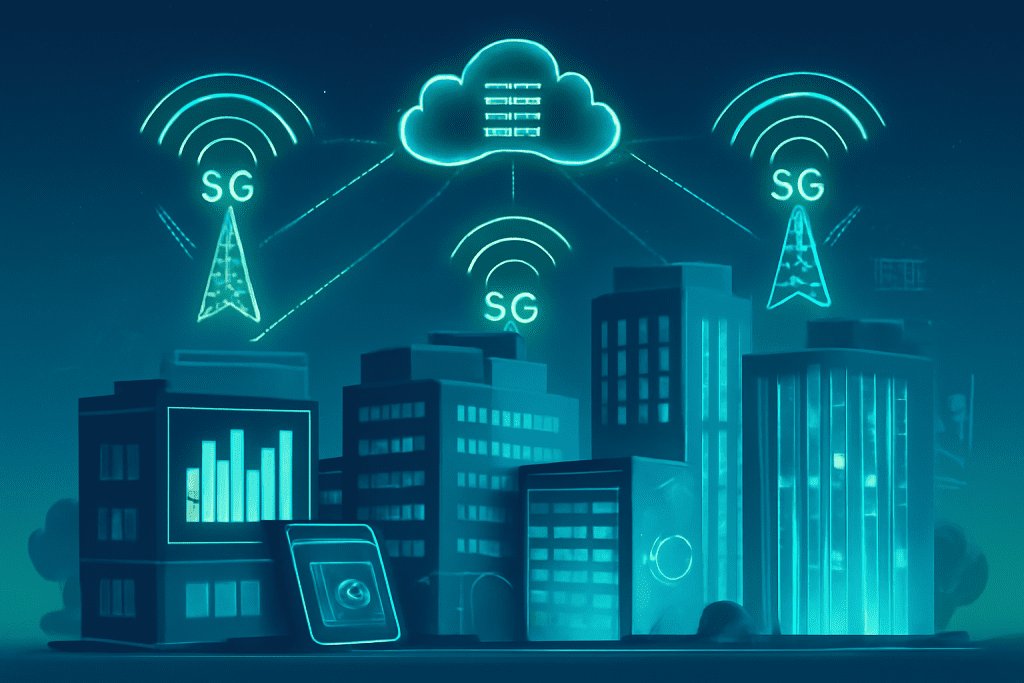
Introduction The arrival of 5G wireless technology is revolutionizing enterprise connectivity, promising multi-gigabit speeds, ultra-low latency, and support for billions of connected devices. However, to truly unlock the transformative potential of 5G, enterprises must integrate Mobile Edge Computing (MEC) into their digital infrastructure. 5G edge computing moves computation and data processing closer to where data is generated—at the “edge” of the network—enabling faster response times, greater security, and empowering real-time business innovation. Explore how AI-powered Mobile Edge Computing solutions can transform business processes at TechOTD AI Services. What is Mobile Edge Computing (MEC)? Mobile Edge Computing (MEC) is a network architecture that brings computing, storage, and analytics capabilities out of centralized data centers and closer to the physical location of devices and users. This proximity accelerates data processing and decision-making—critical in the 5G edge computing era where speed, responsiveness, and high-bandwidth are no longer optional but foundational to enterprise competitiveness. The Symbiosis of 5G and Mobile Edge Computing Ultra-low Latency: 5G networks promise sub-millisecond latency. Mobile Edge Computing (MEC) is essential for achieving these targets since only local processing can deliver true real-time responses for autonomous vehicles, telemedicine, and AR/VR solutions. High Bandwidth Utilization: With 5G’s massive data throughput, 5G edge computing prevents bottlenecks and network congestion. Reliability & Resilience: MEC in 5G networks reduces reliance on continual cloud connectivity, making operations more robust against outages and delivering superior quality of service. Key Benefits of Mobile Edge Computing for Enterprises Real-Time Data ProcessingProcessing data locally enables ultra-fast analytics required for applications like predictive maintenance, intelligent video surveillance, and automated supply chains. ✅ Example: A smart factory uses 5G edge computing with MEC to process IoT sensor data, optimizing equipment performance and reducing downtime—without sending all data to the cloud. Enhanced Security & PrivacyBy handling sensitive data close to its source, Mobile Edge Computing minimizes interception risks. Industries like healthcare and finance benefit from localized compliance and data residency. Reduced Network Congestion & CostsOffloading computation from central servers to the edge decreases backhaul requirements, making MEC in 5G both cost-efficient and scalable. Greater Scalability & FlexibilityMobile Edge Computing enables modular deployment of enterprise apps, scaling easily across retail, logistics, and smart cities. Industry Use Cases of Mobile Edge Computing Manufacturing: Smart factories rely on 5G edge computing for predictive analytics, digital twins, and real-time equipment monitoring. Retail: Edge-enabled personalization, AR shopping, and real-time customer engagement enhance user experience. Healthcare: Secure telemedicine, real-time imaging, and patient monitoring with Mobile Edge Computing in healthcare. Logistics & Transportation: Smart fleet management and navigation powered by MEC and 5G. Smart Cities: IoT-driven traffic management, safety, and environmental monitoring with edge computing in 5G networks. Conclusion Mobile Edge Computing (MEC) is critical for enterprises in the 5G era because it enables: Ultra-low latency, reliable, and scalable real-time applications Enhanced data security, privacy, and compliance Cost-effective handling of massive, distributed data flows Seamless integration with AI, IoT, and blockchain technologies Robust digital transformation strategies powering growth and innovation

Business Process

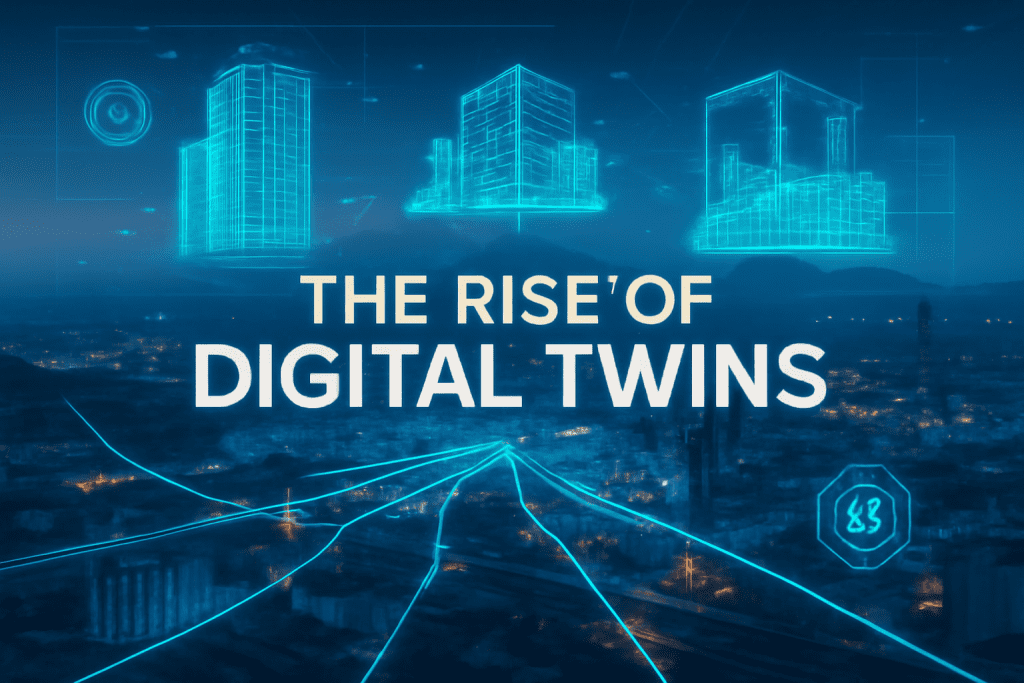
The Rise of Digital Twins: How Virtual Models Are Changing Industries

Introduction Digital twins—virtual replicas of physical objects, systems, or processes—are rapidly transforming the industrial landscape. By bridging the gap between the real and digital worlds, these sophisticated virtual models allow organizations to simulate, monitor, and optimize operations in real time. As businesses grapple with increasing complexity, talent shortages, and global competition, digital twins offer a pathway to smarter decision-making, reduced costs, and unprecedented efficiencies. Understanding how these technologies are revolutionizing industries is crucial for leaders aiming to remain competitive and future-ready. What Are Digital Twins and Why Are They Important? Digital twins are detailed digital replicas of physical assets, processes, or systems, continuously updated using real-world data from sensors, IoT devices, and analytics platforms. These models reflect the current state and behavior of their physical counterparts, allowing organizations to: Simulate “what-if” scenarios for operational planning. Predict issues and enable proactive maintenance. Monitor performance and health of assets in real time. Why are they important? Enable safer, faster, and more cost-effective testing without physical risks. Provide insights to improve design, manufacturing, and end-user experiences. Lead to significant cost savings, increased uptime, and higher customer satisfaction. Key Market Statistics The global digital twin market is projected to reach $27.53 billion in 2025, with forecasts exceeding $471 billion by 2034—a CAGR of over 37%. Adoption is accelerating across sectors, with manufacturing, healthcare, construction, smart cities, and aerospace leading the way. How Digital Twins Are Transforming Industries Manufacturing Real-time asset monitoring and predictive maintenance minimize downtime and lower repair costs. Digital twins facilitate optimized production lines, reduced waste, and improved product quality. Companies like Mars are leveraging digital twins to enhance capacity, reduce packaging errors, and maximize equipment uptime. Healthcare Virtual models of the human body allow for better diagnosis, treatment, and personalized care. Hospital operations and logistics are improved through simulation and predictive analytics. Architecture, Construction, and Smart Cities Digital twins model buildings and infrastructure for planning, safety analysis, and efficient resource management. Cities use digital twins for traffic and utility management, disaster response, and sustainability initiatives. Aerospace & Automotive Simulate and test aircraft and vehicle performance before physical prototypes are built. Predict maintenance needs, reducing unexpected failures and extending asset life. Energy and Utilities Power plants and grids use digital twins for real-time operation optimization and maintenance scheduling. Renewable energy assets (e.g., wind turbines) benefit from predictive analytics for improved efficiency. Conclusion Digital twins are much more than a technological trend; they are a transformative force reshaping how industries operate. By merging digital intelligence with physical systems, organizations unlock new value from their assets, making operations smarter, safer, and more sustainable. As adoption rises and AI-driven automation deepens, the only question is how fast businesses will implement these tools to gain and sustain competitive advantage. Ready to future-proof your operations? Now is the time to explore and invest in digital twin technologies for transformative results. FAQ 1. What is a digital twin? A digital twin is a virtual replica of a physical asset, process, or system, constantly updated with real-time data to simulate and optimize performance. 2. Which industries use digital twins the most? Manufacturing, healthcare, construction, smart cities, aerospace, and energy are leading adopters. 3. How do digital twins save costs? By predicting failures, optimizing operations, and enabling proactive maintenance, digital twins reduce downtime, resource waste, and maintenance expenses. 4. Are digital twins only for large businesses? While early adoption was led by large enterprises, advancements in IoT and cloud/edge computing are making digital twins accessible to mid-sized and even small companies. 5. What challenges are there in adopting digital twins? Key hurdles include integration with legacy systems, data privacy, high upfront costs, and ensuring data quality.

Scroll to Top