
robotic surgery

Healthcare & Fitness

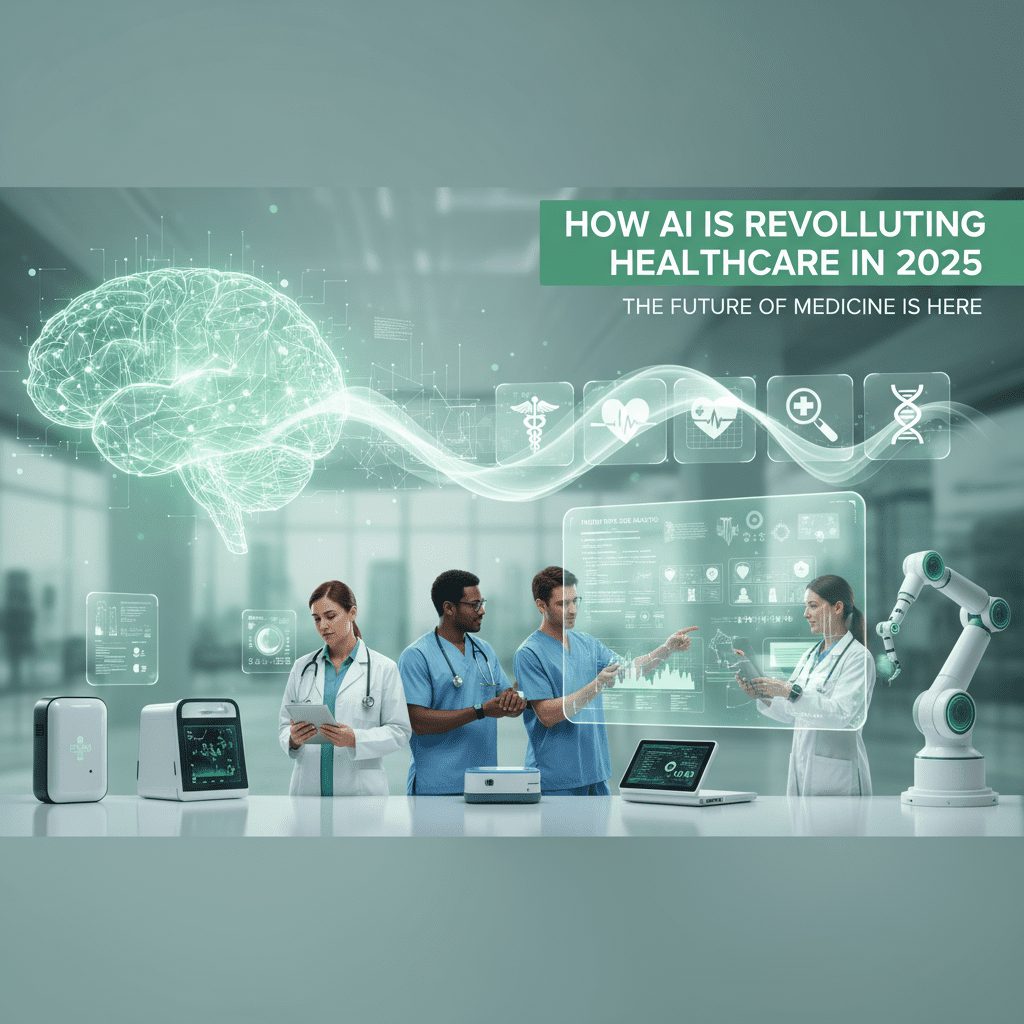
How AI is Revolutionizing Healthcare in 2025

Introduction Artificial Intelligence is ushering in a new era of healthcare in 2025—boosting patient outcomes, accelerating innovation, and making care more precise and accessible than ever before. Here’s how AI is shaping the future of medicine across the globe. Smarter, Faster Diagnostics AI-Powered Medical Imaging: AI now analyzes X-rays, MRIs, and CT scans to detect anomalies like tumors, fractures, and infections faster and more accurately than ever. Early cancer and rare disease detection have been dramatically improved, with error rates and costs dropping significantly. Predictive Diagnostics: AI uses data from patient histories, genetics, and wearables to anticipate the risk of diseases before symptoms occur, allowing for preventative care strategies—especially effective for chronic conditions like heart disease and diabetes. Next-Gen Treatment: Personalized Medicine Precision Treatments: AI integrates genetic, lifestyle, and clinical data to tailor therapies for individuals, especially in oncology and rare diseases, optimizing outcomes and reducing side effects. Genomics and Profiling: Advanced AI systems rapidly interpret genomic data, enabling real-time profiling during surgeries and predicting individual responses to therapies, revolutionizing cancer and rare disease management. Remote Care & Virtual Health Assistants Wearable Monitoring: AI-powered devices track real-time vital signs, alerting both patients and clinicians to potential health issues before they escalate. Hospital-at-home models reduce readmissions and improve quality of life. 24/7 Virtual Support: Chatbots and AI-driven apps now answer medical questions, schedule appointments, provide medication reminders, and triage patients, all while reducing the workload of clinicians. AI in Clinical Decision-Making Real-time Decision Support: AI gives doctors evidence-based recommendations at the point of care by synthesizing global research, treatment guidelines, and patient information. This augments physician expertise, increases diagnostic accuracy, and improves confidence in treatment decisions. Automating Admin Tasks: Intelligent agents automate medical documentation, billing, and coding. This lightens the administrative load and allows clinicians to spend more time with patients. Accelerating Medical Research & Drug Discovery Drug Development: AI can sift through millions of molecules, predict interactions, and simulate clinical trials—speeding up drug discovery, lowering development costs, and quickly identifying optimal candidates for new treatments. Clinical Trials Optimization: By analyzing records and finding ideal trial participants, AI makes trials safer and more effective, accelerating new therapies to market. Enhancing Equity and Population Health Addressing Social Determinants: AI analyzes socioeconomic data alongside health records to identify at-risk populations, close care gaps, and optimize resource allocation—paving the way for fairer, more accessible healthcare. Global Reach: AI extends expertise to remote areas, bridging geographic gaps and allowing global collaboration in tackling public health challenges. Robotic Surgery and Assisted Procedures Greater Precision: Robotic systems powered by AI help surgeons perform complex operations with greater dexterity and accuracy, resulting in fewer complications and quicker recovery times for patients. Impact at a Glance Area AI-Driven Transformation Example/Impact Diagnostics More accurate, earlier detection AI finds tumors in scans invisible to the eye Personalized Care Tailored therapies, reduced side effects Precision oncology; rare disease management Patient Monitoring Continuous data analysis, proactive alerts Wearables detect heart issues before symptoms Administration Automated records and workflows Less clinician burnout, more patient care Research Faster drug discovery, smarter trials Shortened time to new treatments Access & Equity AI bridges gaps for rural or vulnerable groups Virtual care reaches more patients Challenges and the Road Ahead Ethics & Trust: Ensuring privacy, reducing bias, and building transparent, explainable AI remain priorities as adoption expands. Human-AI Partnership: AI isn’t replacing medical professionals but empowering them—successful healthcare systems will be those that blend human empathy with machine intelligence. Scalability: With 90% of hospitals expected to use AI by 2025, broad access and workforce training are key for sustaining progress. AI’s transformative role in healthcare is just beginning. As these technologies advance, expect faster diagnoses, more personalized care, and a health system that’s smarter, fairer, and more responsive to the needs of all. The revolution is well underway—and in 2025, AI is making healthcare better, one patient at a time.
Healthcare & Fitness

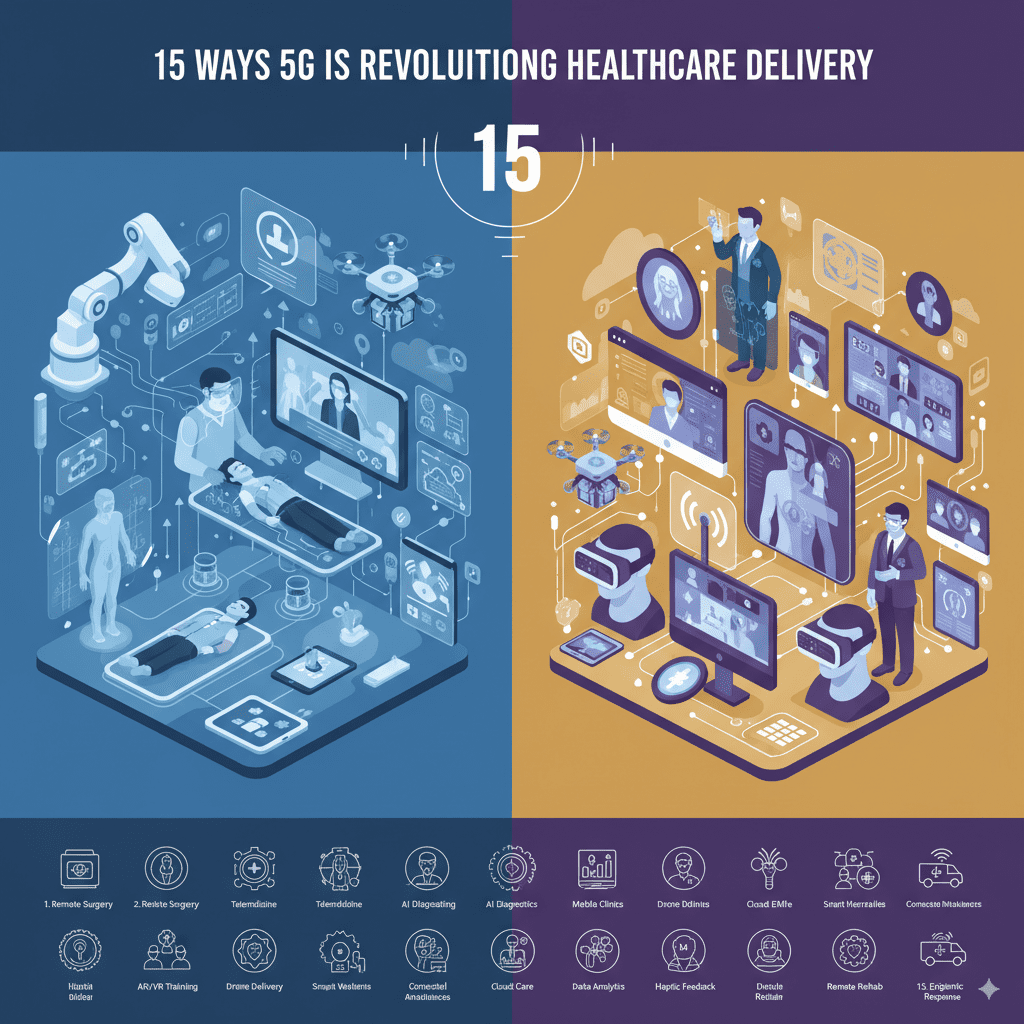
15 Ways 5G is Revolutionizing Healthcare Delivery

Introduction The healthcare industry is undergoing a seismic transformation powered by the emergence of 5G connectivity. The fifth generation of wireless networks offers blazing speeds, ultra-low latency, and the ability to connect unprecedented numbers of devices—all of which unlock new efficiencies and innovations in patient care. With a rapidly expanding global 5G healthcare market projected to surge from $70.94 billion in 2025 to nearly $390 billion by 2034, forward-looking providers are reimagining everything from diagnostics and surgery to patient monitoring and data management. This blog explores 15 practical ways 5G is revolutionizing healthcare delivery, empowering professionals and patients, and creating a smarter, more connected medical ecosystem. Real-Time Remote Patient Monitoring 5G networks support continuous remote patient monitoring (RPM) by seamlessly connecting wearables and IoT devices. Real-time transmission of vitals allows care teams to detect issues early and intervene before complications arise. Example: Heart monitors send instant readings via connected medical platforms, enabling faster doctor responses. High-Fidelity Telemedicine and Virtual Consultations Ultra-clear 4K+ video with almost zero lag dramatically enhances virtual medical visits. Doctors can visually inspect skin, wounds, or rashes in detail, building trust and accuracy in remote diagnosis. Example: Leading telehealth providers use 5G to connect diagnostic equipment during video consults. Connected Ambulances and Next-Gen Emergency Services 5G-equipped ambulances serve as “mobile ERs,” sharing live HD video and critical patient data with hospitals in real time. Paramedics receive expert guidance from remote clinicians during transport, improving life-saving outcomes. Example: University Hospitals in Birmingham piloted remote ultrasound guidance in 5G ambulances. Instantaneous Access to Electronic Health Records (EHR) 5G enables clinicians to access full EHRs—including large medical images—on tablets or devices anywhere in the hospital within seconds. Faster access means faster, more informed clinical decisions and workflow efficiency. Example: Rush University Medical Center’s private 5G boosts Epic system accessibility. The Rise of the Internet of Medical Things (IoMT) 5G enables thousands of connected IoMT devices in smart hospitals, powering smart beds, infusion pumps, and environmental sensors. Real-time data aggregation creates a digital twin of entire operations, driving clinical and operational optimization. Example: Philips HealthSuite manages data from millions of devices over robust 5G networks. Democratizing Expertise with Remote and Robotic Surgery Ultra-low 5G latency makes remote robotic surgery a reality. Surgeons in one location can perform delicate procedures on patients hundreds of miles away. Example: In China, remote thyroid surgeries have been performed thanks to 5G. Advanced Predictive Analytics for Patient Care Real-time sensor and medical record data flow enables AI-powered predictive models for sepsis risk, patient deterioration, and resource allocation. Enhanced clinician decision-making leads to proactive, personalized interventions. Example: The U.S. Veterans Affairs living lab uses 5G to power predictive analytics in chronic care. Immersive Medical Training with AR and VR Medical education evolves with 5G-fueled AR/VR, enabling virtual dissection, simulated surgeries, and lag-free team training. Complex procedures can be practiced in virtual operating rooms globally. Example: Multi-user platforms like GE HealthCare’s OmnifyXR allow remote collaborative training. Automated Hospital Kiosks and Self-Serve Stations 5G keeps smart kiosks and check-in stations fast and responsive, even during peak times. Automating patient intake, co-payment, and navigation streamlines operations and frees up staff. Example: Boston Children’s Hospital uses a hybrid 5G network for real-time registration and payments. Digital Twins for Personalized Treatment Planning Virtual patient “digital twins” simulate organs or systems for personalized planning and risk-free surgery rehearsal. High-throughput 5G transfers large imaging and modeling data seamlessly between systems and clinicians. Resilient Supply Chain and Smart Inventory Management 5G-powered sensors and tags track medical equipment, medications, and PPE in real time, reducing waste and shortages. Automated stock alerts and predictive maintenance lower costs and improve readiness. Enhanced Medical Imaging and Faster Diagnostics 5G dramatically reduces the time to transfer massive imaging files, accelerating diagnosis and treatment. Enables seamless collaboration among radiologists and AI-driven image analysis. Seamless Collaboration Between Healthcare Professionals Real-time, high-definition video and data sharing accelerate collaborative diagnosis, second opinions, and multidisciplinary decision-making. Teams work seamlessly—even across continents—improving complex case outcomes. Improved Patient Data Security and Privacy 5G’s network slicing and advanced encryption ensure that critical patient data is isolated from general traffic. Hospitals can deploy Zero Trust frameworks to verify every app, user, and device before access. Example: Advanced hospital networks use hardware-level isolation and separate encryption keys for security. Supporting Rural and Underserved Communities Fixed wireless access (FWA) over 5G delivers high-speed Internet to remote clinics, enabling telemedicine, specialist consults, and remote diagnostics. Rural patients gain access to advanced care previously only available in major cities. Example: T-Mobile’s Project 10Million brings 5G health services and virtual appointments to rural schools and clinics. Conclusion 5G is redefining the healthcare playbook, transforming both the patient and provider experiences with speed, scale, and intelligence never before possible. From telemedicine and robotic surgery to predictive analytics, immersive training, and robust supply chain management, the applications are far-reaching and evidence-based. Forward-thinking organizations are already moving quickly to integrate 5G, gaining efficiency, resilience, and a decisive edge in the pursuit of delivering better, more accessible care. Now is the time for healthcare leaders to prioritize bold adoption—and to build a digital health future where connectivity, compassion, and innovation go hand in hand. Ready to future-proof healthcare operations or deliver next-gen patient experiences? Contact a digital healthcare transformation expert for an in-depth 5G strategy assessment today. FAQ Q1: What is the biggest impact of 5G in healthcare? A: Remote patient monitoring and telemedicine provide continuous, real-time care and expand access to specialists for rural and urban populations alike. Q2: Is 5G safe and secure for patient information? A: Yes, 5G offers advanced security features such as network slicing and end-to-end encryption, helping protect sensitive medical data against cyber threats. Q3: How does 5G benefit hospital operations? A: 5G streamlines data flows, enhances collaboration, enables instant access to EHRs, and supports smart logistics—resulting in faster patient throughput, fewer errors, and reduced administrative burden. Q4: Can 5G enable surgeries performed from remote locations? A: Absolutely. 5G’s ultra-low latency allows surgeons to operate on patients miles away, democratizing access to cutting-edge specialized

Scroll to Top