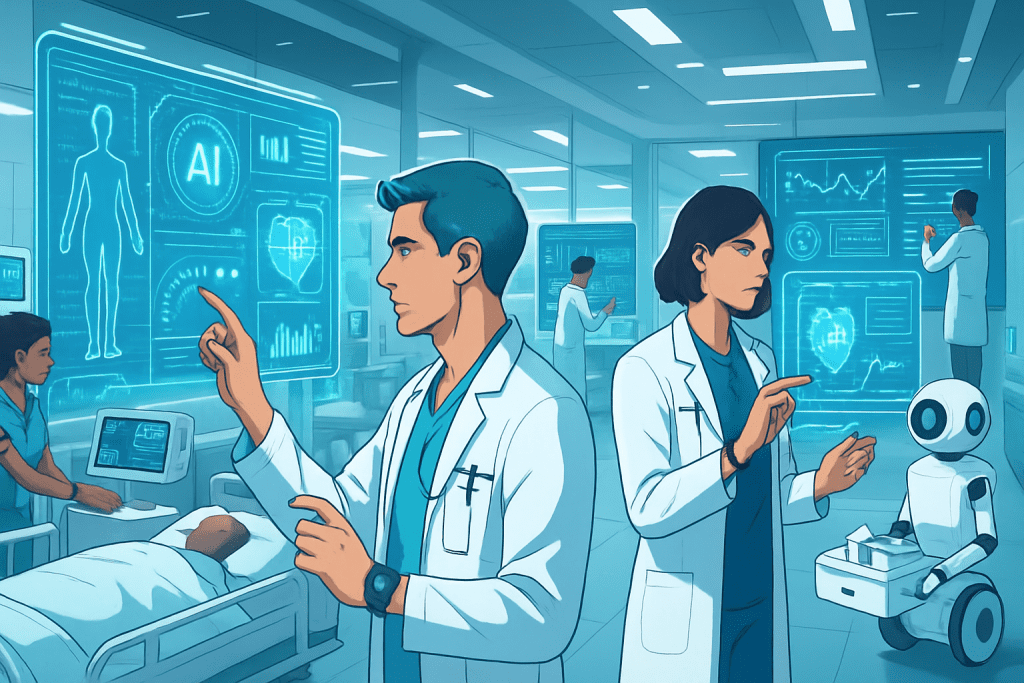
Predictive Analytics in Healthcare

data science, Uncategorized

Predictive Analytics Explained: Myths vs Reality in 2025

Introduction Predictive analytics has rapidly become one of the most transformative technologies reshaping industries in 2025. Businesses across sectors — from healthcare and finance to manufacturing and retail — are leveraging predictive insights to stay competitive. Yet, despite its immense potential, many misconceptions cloud the true value of predictive analytics. Some assume it’s only for tech giants; others believe it’s just about forecasting numbers. The reality is far more nuanced. In this blog, we’ll break down the myths vs. reality of predictive analytics in 2025, explore its benefits, and highlight how organizations can adopt it for sustainable growth. . 🔗 For a deeper dive into how predictive models work with AI, check out AI Page at TechOTD. What is Predictive Analytics? Predictive analytics refers to the use of historical data, statistical models, AI, and machine learning to forecast future outcomes. In 2025, predictive analytics is not only about predicting consumer behavior but also about optimizing operations, identifying risks, and enabling smarter decision-making. For example, predictive analytics now plays a key role in finance (fraud detection), healthcare (disease prediction), and manufacturing (machine maintenance). With advancements in AI and large language models, predictive analytics has become more accurate and accessible. Common Myths About Predictive Analytics Myth: Predictive Analytics is only for large enterprises.Many small businesses think predictive analytics is out of reach. Myth: It replaces human decision-making.The reality: It enhances decision-making by providing insights. Myth: Predictive models are always 100% accurate.Predictive analytics gives probabilities, not certainties. Myth: Predictive analytics is only about sales forecasting.It’s widely used in healthcare, manufacturing, finance, and education. Myth: It requires highly advanced coding knowledge.Thanks to modern tools, even non-technical professionals can leverage it. The Growing Importance of Predictive Analytics in 2025 In 2025, predictive analytics is no longer optional—it’s becoming a strategic differentiator. 📈 Businesses are leveraging it for real-time decision-making. ⚡ AI-powered predictive analytics models are improving accuracy and efficiency. 🌍 Adoption is spreading across every industry, from education to e-commerce. 🔗 Learn more about its impact across industries on TechOTD Industry Insights. Myths vs Reality in Predictive Analytics Myth 1: Predictive Analytics Can 100% Accurately Predict the Future Reality: Predictive analytics is not fortune-telling. It provides probabilistic forecasts based on data patterns—not guaranteed results. Models evolve with new data and must be continuously updated. Myth 2: Only Big Enterprises Can Use Predictive Analytics Reality: With the rise of cloud-based tools and affordable platforms, even small and medium businesses can implement predictive analytics today. Startups and SMEs use it for marketing campaigns, sales forecasting, and customer behavior analysis. Myth 3: Predictive Analytics Replaces Human Decision-Making Reality: Predictive analytics supports decision-making, but it doesn’t replace human intuition and expertise. Leaders still need to interpret results in the context of strategy and ethics. Myth 4: Predictive Analytics Requires Only AI & ML Experts Reality: While technical knowledge is valuable, modern platforms offer user-friendly dashboards and low-code/no-code solutions, making predictive analytics accessible to non-technical professionals. Myth 5: Predictive Analytics is Only About Sales Forecasting Reality: It goes far beyond sales—it improves supply chains, healthcare treatments, fraud detection, customer loyalty, education outcomes, and operational efficiency. Myth 6: Data Quantity Matters More Than Data Quality Reality: Poor-quality data produces misleading insights. In predictive analytics, data quality > data volume. Clean, reliable datasets are essential. Real-World Applications in 2025   Retail: Personalized recommendations, inventory optimization. Finance: Fraud detection, investment risk assessment. Healthcare: Predicting patient risks, treatment plans. Education: Improving student performance using data. 🔗 Read TechOTD on Tech’s Impact on Education. Logistics: Predicting delivery delays and optimizing routes. Hospitality: Guest personalization, loyalty programs. Manufacturing: Predictive maintenance and demand forecasting. Customer Service: AI-powered predictive assistance. 🔗 Learn more about this in Seamless Customer Journeys with AI. Benefits of Predictive Analytics in 2025   Benefit Impact in Business Improved Forecast Accuracy Better demand planning Cost Reduction Reduced operational inefficiencies Risk Management Fraud prevention & compliance Customer Personalization Enhanced customer experience Competitive Advantage Faster, data-driven decisions Operational Efficiency Streamlined processes Innovation Enablement New product and service design Predictive Analytics & AI in 2025 Predictive analytics is closely tied to AI and ML models. Large Language Models (LLMs), for example, are being applied in finance to predict risks and automate insights. 🔗 Check out this detailed blog: LLMs in Finance. Predictive Analytics Myths That Still Persist Even in 2025, businesses are held back by: Fear of high costs (though cloud tools make it affordable). Concerns about data privacy (solved with stricter regulations and security frameworks). Belief that it’s a one-time setup (in reality, models need continuous learning). 🔗 Learn how businesses integrate it with emerging technologies like blockchain: Blockchain in Business. Predictive Analytics & Mobile App Development Today, predictive analytics isn’t limited to enterprise dashboards. It’s embedded in mobile applications to deliver real-time insights directly to users. 🔗 Explore how apps are transforming industries at Mobile Apps Development Services. Key Points Summary Predictive analytics is about probabilities, not certainties. Businesses of all sizes can implement predictive analytics in 2025. Clean, reliable data is more important than large amounts of data. Predictive analytics complements human decision-making—it doesn’t replace it. It has wide applications: healthcare, finance, education, manufacturing, retail, and more. FAQs Q1. Is predictive analytics expensive for small businesses?Not anymore. With cloud-based solutions and SaaS tools, even startups can access predictive analytics affordably. Q2. Can predictive analytics ensure 100% accurate predictions?No—it provides probabilistic forecasts. Accuracy improves with high-quality data and refined models. Q3. What skills are required to use predictive analytics?While technical skills help, modern no-code platforms allow non-technical users to access predictive insights. Q4. How is predictive analytics different from AI?Predictive analytics is a subset of AI focused on forecasts. AI covers a wider scope including decision-making, automation, and generative models. Q5. Where can I learn more about predictive analytics software and its features? 🔗 Visit Predictive Analytics Software Development Guide. Conclusion In 2025, predictive analytics is no longer futuristic—it’s an essential business capability. However, separating myths from reality is crucial for businesses to unlock its real potential. By focusing on quality data, continuous model

Healthcare & Fitness

4 Things You Should Know About Healthcare App Development

Introduction In the last few years, healthcare app development has rapidly gained momentum, revolutionizing how patients, doctors, and healthcare providers interact. From telemedicine platforms to AI-powered diagnostics, healthcare apps today have become an integral part of ensuring efficient care delivery and personalized experiences. The healthcare industry is projected to surpass $660 billion in digital health spending by 2025, with mobile apps leading the wave.   If you’re a healthcare entrepreneur, CTO, or digital transformation leader, understanding the essential factors in healthcare app development is critical. Whether it’s compliance, security, adopting AI, or ensuring seamless user experiences, the right approach can determine your app’s success. 👉 In this blog, we’ll cover the 4 most important things you should know about developing a healthcare app, along with strategies, technologies, and industry best practices. 1. Regulatory Compliance and Data Security in Healthcare Apps Healthcare apps aren’t like normal mobile applications—they deal with highly sensitive patient data. Ensuring compliance with industry regulations is vital to protect user trust and avoid legal issues. Key Compliance Standards: HIPAA (USA) – Protects patient data and privacy. GDPR (Europe) – Ensures secure handling of personal data. ISO 27001 & HL7 Standards – Define best practices for data exchange and information security. Indian PDP Bill (India) – Aligns with data privacy rules. Why Data Security Matters: Over 81% of healthcare organizations have experienced cyberattacks. Breaches cost the healthcare industry $10.93 million per incident (IBM, 2024). Best Practices for Security: Data Encryption – Protect data in transit and at rest. Multi-Factor Authentication (MFA) – Prevent unauthorized access. Cloud Security – Use trusted cloud providers like AWS and Azure (see TechOTD AI services). Compliance-First Development – Integrate compliance rules early in the design (see how we work). 💡 Pro Tip: Always include compliance audits during app development milestones. 2. AI and Emerging Technologies Transforming Healthcare Apps AI is changing the face of healthcare mobile app development. From predictive analytics to computer vision in radiology, AI ensures better outcomes while reducing costs. Examples of AI in Healthcare Apps: Predictive Analytics: For early disease detection (learn more in predictive analytics software guide). Natural Language Processing (NLP): Enables medical chatbots and intelligent diagnosis tools. Generative AI: Assists doctors in generating reports and analyzing patient histories. IoT & Wearables: Collect real-time health data to integrate with hospital systems (IoT in telecom blog). Blockchain: Used in healthcare to secure patient data (see blockchain in Dubai business processes blog). Benefits of AI in Healthcare Apps: ✔️ Faster diagnosis and treatment ✔️ Enhanced patient engagement through personalized care ✔️ Reduced operational costs ✔️ Data-driven insights for doctors and providers 3. User-Centric Design and Seamless Experience No matter how advanced your healthcare app is, if it’s not easy to use, adoption rates will remain low. Both patients and doctors need a frictionless experience. Key Aspects of User Experience (UX) in Healthcare Apps: Intuitive Design: Clear navigation, easy access to reports, and minimal clicks. Accessibility: Voice commands, large fonts, and screen readers for differently-abled users. Telemedicine Integration: Smooth video conferencing with stable connectivity. Data Visualization: Simple dashboards for patients and analytics (powered by tools like Tableau and Grafana—as highlighted in AI services). 📌 Fun Fact: 77% of users uninstall an app within three days if UX is poor. 💡 Pro Tip: Conduct usability testing with real doctors and patients before full-scale deployment. 4. Cost, Scalability, and Long-Term Maintenance Building a healthcare app is not just about the initial launch—it’s a long-term journey. Factors Affecting Healthcare App Development Cost: App Type (patient app, doctor app, telemedicine, pharmacy solutions, etc.) Tech Stack (native apps in Swift vs React Native) AI Features Integration (predictive models, chatbots, computer vision). Security & Compliance Measures. Average Development Cost in 2025: Basic healthcare app: $40K – $60K Mid-level with AI: $80K – $150K Enterprise-grade with full features: $200K+ Scalability Considerations: Support cloud migration with Kubernetes & DevOps integration (TechOTD platforms). Ensure modular architecture for feature upgrades. Invest in ongoing support & maintenance (see service page). Key Points Summary Table Factor Why It’s Important Best Practices / Solutions Regulatory Compliance Legal + patient trust HIPAA, GDPR compliance, audit trails, secure cloud integration AI & Emerging Tech Efficiency + innovation Predictive analytics, NLP chatbots, IoT devices, blockchain for secure records User Experience Adoption & retention Simple UI, telemedicine features, accessibility, dashboard visualization Cost & Scalability Long-term ROI Proper budgeting, modular app design, DevOps + cloud for scalability, maintenance contracts Conclusion Healthcare app development is reshaping global health delivery systems. But success lies in balancing compliance, innovation, patient experience, and scalability. By embracing AI, predictive analytics, robust cloud systems, and secure data handling, businesses can unlock innovative healthcare solutions. If you are planning to develop a healthcare app, partnering with experts like TechOTD can help ensure compliance, efficiency, and future-ready features. 📢 Call-to-Action (CTA): Ready to build a secure, AI-powered healthcare app? Book a free consultation with our experts today to kickstart your journey. Frequently Asked Questions (FAQ) 1. How long does it take to develop a healthcare app? It usually takes 4–8 months depending on app complexity, integrations, and compliance requirements. 2. Which technologies are best for healthcare app development? Popular frameworks include Swift, React Native, Python, TensorFlow, and Kubernetes. AI and IoT integrations are also widely used. 3. How can AI improve healthcare apps? AI improves diagnosis, patient engagement, and predictive healthcare insights while lowering costs. 4. Do healthcare apps need to comply with HIPAA or GDPR? Yes. Compliance is essential to ensure data security, avoid penalties, and maintain patient trust. 5. What is the average cost of developing a healthcare app in 2025? Between $60K and $200K+, depending on complexity, features, and compliance level.

Healthcare & Fitness

The Role of AI, IoT, and Big Data in Building Smarter Hospitals

Introduction In today’s fast-paced healthcare ecosystem, technology has become the backbone of smarter hospitals. With rising patient expectations, increasing demand for quality healthcare, and the need for efficient operations, hospitals are embracing Artificial Intelligence (AI), the Internet of Things (IoT), and Big Data. These three pillars are revolutionizing the way hospitals deliver care, improve patient outcomes, and optimize resource management. In this blog, we will explore how AI, IoT, and Big Data are shaping smarter hospitals, their key applications, benefits, and the future roadmap of intelligent healthcare systems. Why Smarter Hospitals are the Future of Healthcare Smarter hospitals are not just about advanced medical equipment — they are about data-driven decision-making, predictive analytics, connected devices, and AI-powered tools that ensure better diagnosis, treatment, and patient experience. By integrating AI, IoT, and Big Data, hospitals can: Deliver personalized treatment plans. Enhance patient monitoring and safety. Improve operational efficiency and resource allocation. Enable predictive maintenance of medical devices. Lower healthcare costs while improving quality. The convergence of these technologies is creating a patient-centric healthcare system that focuses not only on curing but also on prevention, wellness, and long-term care. Role of AI in Smarter Hospitals Artificial Intelligence has become a game-changer in healthcare. From diagnostics to patient engagement, AI enables hospitals to enhance care delivery in multiple ways. 1. AI in Medical Imaging & Diagnosis AI algorithms can analyze X-rays, MRIs, and CT scans with high accuracy, often detecting anomalies that human eyes may miss. This reduces diagnostic errors and ensures early detection of diseases like cancer and cardiovascular conditions. 2. AI-Powered Virtual Assistants Hospitals use AI-driven chatbots and voice assistants to handle patient queries, schedule appointments, and provide medical guidance. This reduces administrative workload and improves patient satisfaction. 3. Predictive Analytics for Patient Care By analyzing medical histories and real-time data, AI can predict disease risks, patient deterioration, and even recommend preventive measures. This proactive approach saves lives and reduces emergency cases. 4. Robotic Surgery AI-powered surgical robots assist doctors with precision and control during operations. These systems minimize complications and shorten recovery times. Role of IoT in Smarter Hospitals The Internet of Things (IoT) connects medical devices, patients, and healthcare staff through smart sensors and wearables. IoT plays a vital role in building connected hospitals. 1. Remote Patient Monitoring (RPM) IoT devices such as heart rate monitors, glucose trackers, and wearable ECGs allow doctors to monitor patients remotely. This is especially beneficial for chronic disease management. 2. Smart Beds & Equipment IoT-enabled hospital beds can monitor patient movements, prevent bed sores, and alert staff in case of falls. Smart medical devices also ensure better inventory management and reduce equipment downtime. 3. Asset Tracking & Management Hospitals can use IoT-based RFID tags and sensors to track critical equipment like ventilators, wheelchairs, and infusion pumps, reducing delays and improving resource utilization. 4. Emergency Response Systems IoT helps connect ambulances with hospital emergency rooms in real time, sharing patient vitals before arrival, which ensures immediate preparedness. Role of Big Data in Smarter Hospitals Hospitals generate terabytes of patient records, medical histories, imaging data, and administrative information every day. Big Data analytics transforms this raw data into actionable insights. 1. Enhanced Clinical Decision-Making Doctors can leverage Big Data to access evidence-based treatment plans, compare patient histories, and prescribe the most effective treatments. 2. Population Health Management By analyzing large datasets, hospitals can identify trends, track disease outbreaks, and implement preventive healthcare strategies. 3. Operational Efficiency Big Data helps hospitals optimize staff schedules, predict patient admissions, and manage supply chains effectively. 4. Fraud Detection & Security Hospitals can detect anomalies in billing, insurance claims, and data breaches using Big Data tools, ensuring financial and data security. Benefits of AI, IoT, and Big Data Integration in Hospitals Improved Patient Outcomes: Early diagnosis and personalized treatment plans. Cost Reduction: Optimized use of resources and preventive care reduces expenses. Enhanced Patient Engagement: AI chatbots, IoT devices, and mobile apps keep patients informed and engaged. Data-Driven Decisions: Big Data analytics empowers hospitals to make better, evidence-based decisions. Operational Efficiency: Automation and predictive tools reduce administrative burden. Challenges in Building Smarter Hospitals Despite the benefits, there are several challenges: Data Privacy Concerns: Patient data must be protected with strict cybersecurity measures. High Initial Investment: Advanced AI, IoT, and Big Data systems require significant investment. Integration Issues: Legacy systems may not seamlessly integrate with new technologies. Skilled Workforce Shortage: Hospitals need trained professionals in AI and data analytics. The Future of Smarter Hospitals The future of smarter hospitals will focus on AI-driven automation, precision medicine, and predictive healthcare models. Hospitals will increasingly adopt cloud-based solutions, 5G-powered IoT devices, and blockchain for secure data sharing. This digital transformation will redefine healthcare delivery by making it smarter, faster, and more patient-centric. Related Resources & Backlinks AI in Healthcare Page TechOTD Blog Blockchain in Business Processes – Dubai How We Work LLMs in Finance AI & Service Excellence Best Gadgets for Programmers in 2025 Predictive Analytics in Software Development Impact of Technology on Education React Native vs Swift TechOTD Blog Industries Mobile App Services FAQs 1. How does AI improve patient care in hospitals? AI improves patient care through faster diagnosis, personalized treatment recommendations, and predictive analytics that help prevent health complications. 2. What are the benefits of IoT in hospitals? IoT enables real-time patient monitoring, better equipment management, and improved emergency response, making hospitals more efficient and patient-friendly. 3. How does Big Data support smarter hospitals? Big Data helps hospitals analyze patient records, predict disease outbreaks, and improve decision-making, leading to better outcomes and optimized resources. 4. Are there security risks in using AI, IoT, and Big Data in hospitals? Yes, data privacy and cybersecurity remain major concerns. Hospitals must implement strict security protocols to protect patient data. 5. What is the future of smarter hospitals? The future lies in precision medicine, AI-driven automation, blockchain-enabled secure data sharing, and cloud-based hospital systems that provide seamless healthcare services. Conclusion The integration of AI, IoT, and Big Data is revolutionizing modern healthcare and shaping

Healthcare & Fitness

Smart Hospitals: Revolutionizing Healthcare Operations with Modern Technology

Introduction Healthcare is undergoing a digital revolution, and at the center of this transformation are Smart Hospitals. With the integration of technologies like IoT (Internet of Things), AI, Big Data, Cloud Computing, and Blockchain, hospitals are no longer just physical spaces for treatment — they are evolving into intelligent ecosystems that provide seamless care, improved efficiency, and enhanced patient outcomes. In this blog, we’ll explore how smart hospitals are redefining healthcare operations, their key technologies, benefits, challenges, and future opportunities. What Are Smart Hospitals? A Smart Hospital uses modern digital technologies to optimize operations, enhance patient care, and improve decision-making. Unlike traditional hospitals, which rely heavily on manual processes, smart hospitals employ connected devices, automated systems, predictive analytics, and AI-driven decision-making to deliver data-powered healthcare solutions. These hospitals are not only focused on clinical improvements but also on operational efficiency, patient experience, and cost reduction. Key Technologies Powering Smart Hospitals The smart hospital ecosystem is built upon several transformative technologies: 1. IoT (Internet of Things) IoT connects medical devices, wearables, and hospital equipment, enabling real-time patient monitoring and automated data collection. For example, wearable devices can track patient vitals and immediately alert doctors in case of anomalies. Learn how IoT is reshaping industries in this blog. 2. Artificial Intelligence (AI) AI assists in diagnostics, personalized treatment recommendations, and predictive analytics. From detecting diseases in early stages to streamlining hospital workflows, AI is the backbone of smart hospitals. Explore how AI enhances service excellence in this article. 3. Electronic Health Records (EHRs) and Cloud Computing Cloud-based EHR systems ensure seamless data sharing among healthcare professionals, allowing for collaborative care and better treatment decisions. For more insights into AI and data applications, check AI in Finance use cases. 4. Robotics and Automation Robotic surgical systems, automated medication dispensers, and AI-powered diagnostic assistants reduce human error and increase accuracy. 5. Predictive Analytics & Big Data By analyzing historical health data, predictive analytics can anticipate patient needs, optimize staffing schedules, and improve resource allocation. See how predictive analytics is applied in this detailed guide. 6. Blockchain Technology Blockchain ensures secure, tamper-proof medical data sharing across systems, reducing fraud and enhancing patient trust. Benefits of Smart Hospitals Enhanced Patient Care – Real-time monitoring and AI-driven diagnostics improve treatment accuracy. Operational Efficiency – Automation reduces waiting times and optimizes staff workload. Data-Driven Decision Making – Analytics empower healthcare providers to make better choices. Cost Reduction – Preventive care and predictive maintenance reduce unnecessary expenses. Patient Experience – Virtual assistants, telehealth, and mobile health apps provide personalized and convenient care. For example, mobile app solutions for healthcare are already transforming the industry. Learn more about custom development in mobile app services. Challenges in Implementing Smart Hospitals Despite their promise, smart hospitals face several challenges: High Initial Investment – Implementing advanced technologies requires significant funding. Cybersecurity Risks – With massive data flow, hospitals become vulnerable to cyberattacks. Integration Issues – Legacy systems often cannot integrate seamlessly with modern solutions. Staff Training – Healthcare workers need training to adapt to new digital workflows. Regulatory Compliance – Hospitals must follow strict data privacy and healthcare regulations. Use Cases of Smart Hospitals Remote Patient Monitoring – Wearables and connected devices monitor patients beyond hospital walls. Smart Beds – Beds equipped with sensors track patient movement and vitals. AI-Powered Imaging – AI improves the speed and accuracy of CT, MRI, and X-ray scans. Telemedicine Platforms – Virtual consultations allow patients to access specialists remotely. Mobile Health Apps – Patients manage appointments, prescriptions, and records via smartphones. Explore app development strategies in this React Native vs Swift comparison. Future of Smart Hospitals Smart hospitals are expected to evolve further with: 5G-enabled healthcare solutions AI-driven predictive healthcare models Digital twins for personalized treatment Advanced robotics in surgeries Sustainable and green hospital infrastructure The convergence of healthcare with AI, IoT, and mobile apps is creating a new era of precision medicine and patient-centric care. SEO Backlinks Integration Throughout this blog, we have naturally integrated useful links from TechOTD to enhance user experience and provide additional resources: AI-driven insights TechOTD Blog Hub Blockchain in Business Processes How We Work Large Language Models in Finance AI for Customer Journeys Best Gadgets for Programmers Predictive Analytics in Software Development Technology in Education React Native vs Swift Industries Blog Page Mobile App Development Services FAQs About Smart Hospitals 1. What is the meaning of a smart hospital? A smart hospital leverages AI, IoT, cloud computing, and automation to improve patient care and hospital operations. 2. How do smart hospitals improve patient care? By using real-time monitoring, predictive analytics, and AI-based diagnostics, smart hospitals ensure faster and more accurate treatments. 3. Are smart hospitals expensive to build? Yes, the initial setup requires a high investment, but long-term benefits include reduced costs, better efficiency, and improved outcomes. 4. What technologies are most important for smart hospitals? Key technologies include IoT, AI, robotics, blockchain, and cloud-based EHR systems. 5. What is the future of smart hospitals? The future involves 5G, AI-driven personalized medicine, robotic surgeries, and eco-friendly hospital designs. Conclusion Smart hospitals are not just a vision of the future—they are already becoming a reality today. By integrating technologies like AI, IoT, robotics, blockchain, and predictive analytics, they are transforming the way healthcare is delivered. For patients, smart hospitals promise personalized and efficient care. For doctors and staff, they reduce administrative burdens and improve treatment accuracy. And for healthcare providers, they ensure long-term sustainability with reduced costs and optimized resources. As we move forward, hospitals that embrace these technologies will lead the way in providing next-generation healthcare services. The journey towards smart hospitals is challenging, but the rewards in terms of patient outcomes, cost efficiency, and innovation are unparalleled.

Scroll to Top