
online learning

Technology in education with students using digital learning tools
Education

How Technology Is Transforming Education in 2026

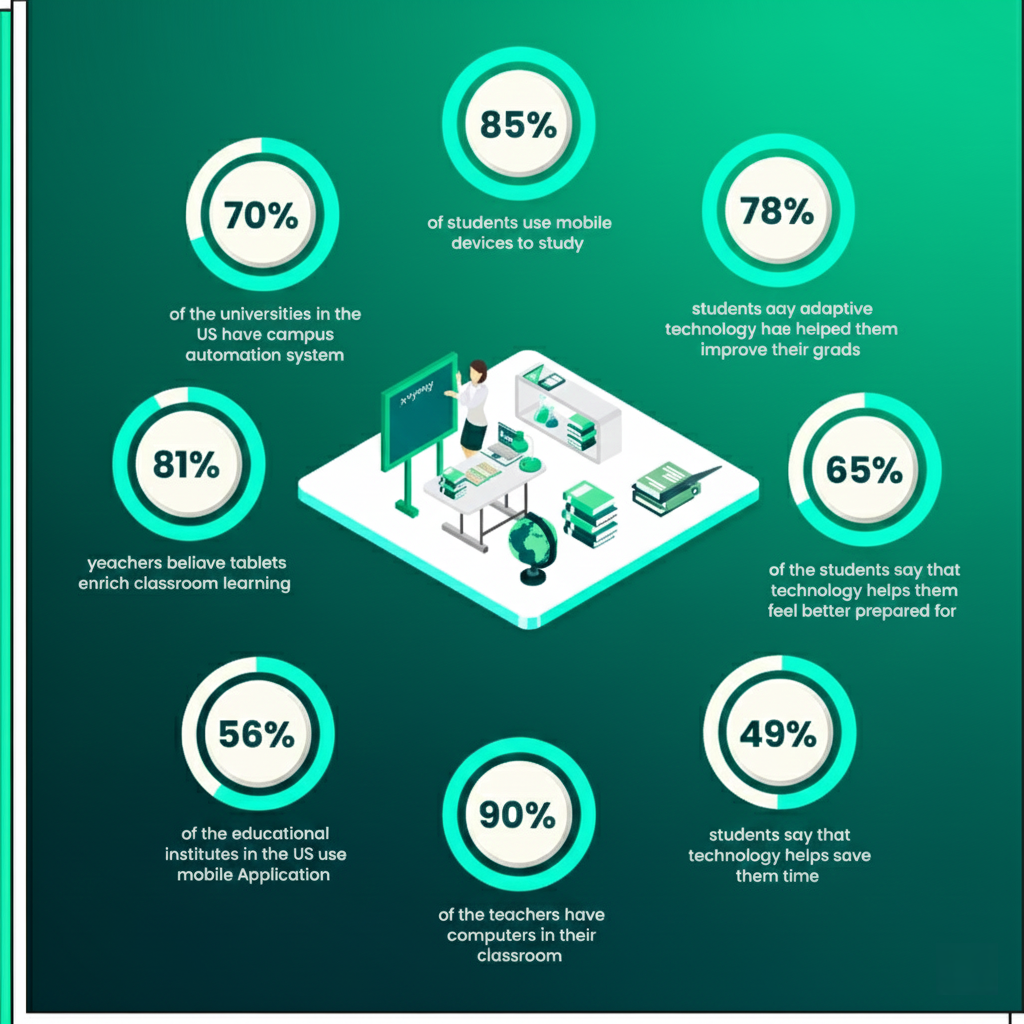
Introduction Technology in education has become an important part of modern learning. From digital classrooms and online learning platforms to artificial intelligence and personalized learning tools, technology is changing how students access information, interact with teachers, and develop new skills. In 2026, the focus is no longer simply on putting more devices into classrooms. The bigger goal is to use technology in ways that improve learning, support teachers, increase accessibility, and help students develop the skills they need for the future. What Is Educational Technology? Educational technology, often called EdTech, refers to the use of digital tools and technologies to support teaching and learning. It includes online learning platforms, educational applications, learning management systems, digital classrooms, interactive tools, artificial intelligence, and digital assessment solutions. Educational technology can include: Online learning platforms Educational applications Learning management systems Digital classrooms Interactive whiteboards Video-based learning Artificial intelligence tools Learning analytics Virtual and augmented reality Digital assessment tools How Technology Is Transforming Education Technology is changing education in many ways, from making learning more accessible to helping teachers create more engaging and personalized learning experiences. Some of the most important changes can be seen in digital learning, artificial intelligence, personalized education, interactive learning, smart classrooms, and online collaboration. 1. Digital Learning Has Made Education More Accessible One of the biggest changes brought by technology is the growth of digital learning. Students can now access educational content through computers, tablets, and smartphones. Online courses, recorded lectures, digital textbooks, educational videos, and interactive learning platforms allow learners to study from different locations and at different times. 2. Artificial Intelligence Is Supporting Teaching and Learning Artificial intelligence is becoming one of the most significant developments in education. AI-powered tools can help generate learning materials, provide explanations, support research, assist teachers with lesson planning, and offer personalized learning experiences. 3. Personalized Learning Is Becoming More Practical Every student learns differently. Some students understand concepts quickly, while others may need additional explanations and practice. Technology can help create more personalized learning experiences by analyzing student progress and recommending appropriate resources, exercises, or learning paths. 4. Interactive Learning Makes Education More Engaging Traditional textbooks remain valuable, but digital tools can add more interactive elements to the learning experience. Students can learn through educational videos, simulations, interactive quizzes, digital presentations, virtual experiments, and gamified learning activities. These methods can make difficult concepts easier to understand by allowing students to see, explore, and practice concepts rather than only reading about them. 5. Smart Classrooms Are Changing the Learning Environment Smart classrooms combine traditional teaching methods with digital technologies. Teachers can use interactive displays, multimedia content, online resources, digital assessments, and collaborative platforms to make lessons more engaging. Technology can support teachers in explaining complex concepts and creating a more interactive learning environment for students. 6. Online Collaboration Is Connecting Learners Technology has made collaboration easier for students and teachers. Students can work together on projects using online documents, communication platforms, virtual classrooms, and shared digital workspaces. This allows learners to collaborate from different locations while developing important skills such as communication, teamwork, problem-solving, and digital literacy. 7. Technology Is Helping Teachers Too The impact of educational technology is not limited to students. Teachers can use digital tools to organize course materials, create assessments, track student progress, communicate with learners, and prepare lessons. Technology can support teachers with preparation and administrative tasks while allowing them to focus more on teaching and student interaction. Benefits of Technology in Education When implemented thoughtfully, technology in education can provide several benefits for students, teachers, and educational institutions. Greater Accessibility Digital resources can make educational content available to learners beyond traditional classrooms. Students can access lessons, study materials, and educational resources from different locations. Flexible Learning Technology allows students to access lessons and learning resources according to their schedules and individual learning needs. This flexibility can be especially useful for students who prefer learning at their own pace. Personalized Education Digital learning platforms can use student progress and performance information to recommend suitable resources and activities. This can help create learning experiences that better match individual needs. Better Engagement Interactive videos, quizzes, simulations, digital presentations, and other learning tools can make lessons more engaging and help students understand difficult concepts more effectively. Improved Collaboration Digital platforms make it easier for students and teachers to communicate, share resources, and work together on projects, even when they are in different locations. Development of Digital Skills Regular use of educational technology can help students develop digital skills that are increasingly important for higher education, employment, and everyday life. Challenges of Using Technology in Education While technology offers many benefits, its use in education also comes with certain challenges. Schools and educational institutions need to address these challenges to ensure that technology improves learning rather than creating new problems. Digital Divide Not every student has equal access to smartphones, computers, reliable internet connections, or other digital resources. This digital divide can create differences in learning opportunities between students. Screen Time Excessive screen time can affect students’ attention and overall learning experience. Technology should therefore be used purposefully, with a healthy balance between digital activities and other forms of learning. Privacy and Security Educational platforms may handle student information and other sensitive data. Schools and technology providers need to follow appropriate privacy and security practices to protect this information. Overdependence on Technology Students should not become completely dependent on digital tools for learning and problem-solving. Developing independent thinking, creativity, and critical thinking skills remains essential. Teacher Training Teachers need appropriate training and support to use new technologies effectively. Providing training can help educators understand how to integrate digital tools into their teaching without allowing technology to distract from learning objectives. The Future of Technology in Education The future of education is likely to involve a combination of human teaching and carefully selected technologies. Artificial intelligence, adaptive learning platforms, digital classrooms, learning analytics, and immersive learning experiences may become increasingly common. However, technology alone cannot solve every educational challenge. The most effective
Technology transforming modern education and learning
Education & Learning

The Role of Technology in Modern Education and Learning

Introduction Technology has revolutionized nearly every aspect of modern life, and education is no exception. From digital classrooms to online learning platforms, technology has transformed how knowledge is delivered, accessed, and consumed. The integration of technology into education has expanded learning opportunities and enhanced teaching effectiveness. This blog explores the role of technology in education, its benefits, challenges, applications, and future potential. Evolution of Technology in Education Education has evolved from chalkboards to smartboards, from textbooks to digital content. This transformation has been driven by advancements in computing, internet connectivity, and mobile devices. Key Technologies Used in Education 1. Online Learning Platforms Platforms provide virtual classrooms, assessments, and collaboration tools. 2. Learning Management Systems (LMS) LMS platforms help manage courses, track progress, and deliver content. 3. Mobile Learning Smartphones and tablets enable learning anytime, anywhere. 4. Artificial Intelligence AI personalizes learning experiences and automates assessments. Benefits of Technology in Education Improved Accessibility Learners from remote areas can access quality education. Personalized Learning Technology adapts content to individual learning needs. Enhanced Engagement Interactive multimedia improves student engagement. Efficient Administration Automation reduces administrative workload. Challenges of Technology in Education Digital divide Data privacy concerns Teacher training requirements Addressing these challenges is essential for effective implementation. Technology in Classroom Learning Smart classrooms integrate: Interactive boards Digital resources Collaborative tools This enhances student participation and understanding. Impact on Teachers and Educators Technology empowers teachers by: Providing analytics Enhancing lesson delivery Supporting remote instruction Future Trends in Educational Technology AI-powered tutoring Virtual and augmented reality Gamified learning Role of Technology in Skill-Based Education Technology supports practical skill development through simulations, virtual labs, and project-based learning. Conclusion Technology plays a vital role in modern education by improving accessibility, engagement, and personalization. When implemented thoughtfully, it can significantly enhance learning outcomes. Frequently Asked Questions (FAQs) 1. How does technology improve education? It enhances accessibility, personalization, and engagement. 2. What are examples of educational technology? LMS, online platforms, AI tools, and smart classrooms. 3. Does technology replace teachers? No, it supports and enhances teaching. 4. What challenges does EdTech face? Digital divide and data privacy concerns. 5. Is technology suitable for all learners? Yes, when designed inclusively. 6. What is the future of EdTech? AI, VR, and immersive learning experiences. Connect with us: https://www.facebook.com/profile.php?id=61555452386126  

Online learning vs traditional classroom education comparison
Education & Learning

Online Learning vs Traditional Education: A Complete Comparison

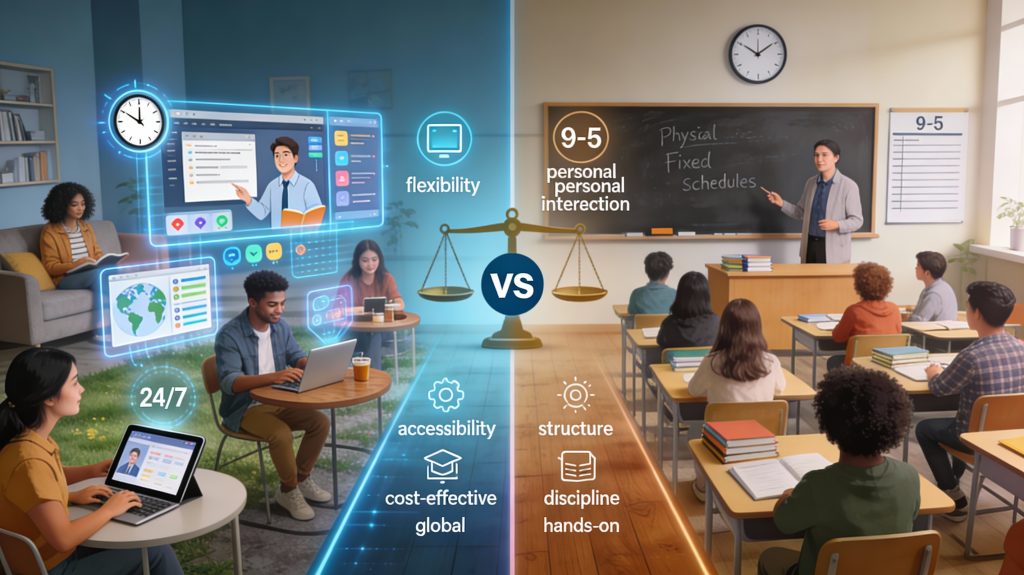
Introduction Education has evolved significantly over the past few decades. While traditional classroom education has been the standard for centuries, online learning has rapidly emerged as a powerful alternative. The advancement of digital technology, widespread internet access, and the demand for flexible learning have driven this shift. Both online learning and traditional education aim to provide knowledge and skills, but they differ in delivery methods, learning experiences, and accessibility. Understanding these differences helps students, parents, educators, and professionals make informed decisions. In this blog, we will explore online learning vs traditional education, comparing their advantages, limitations, costs, and effectiveness. What Is Online Learning? Online learning, also known as e-learning or distance education, involves delivering educational content through digital platforms. Students can attend virtual classes, watch recorded lectures, complete assignments, and interact with instructors online. Key Features of Online Learning Internet-based access Flexible schedules Self-paced learning Digital resources Online learning is widely used in academic education, professional training, and skill development. What Is Traditional Education? Traditional education takes place in physical classrooms where students and teachers interact face-to-face. It follows a structured schedule and curriculum set by educational institutions. Key Features of Traditional Education In-person instruction Fixed schedules Classroom-based interaction Physical learning materials Traditional education remains a preferred choice for many learners, especially at the early education level. Online Learning vs Traditional Education: Key Differences Aspect Online Learning Traditional Education Flexibility High Low Accessibility Global Location-based Cost Often lower Higher Interaction Virtual Face-to-face Learning Pace Self-paced Fixed Advantages of Online Learning 1. Flexibility and Convenience Students can learn anytime and anywhere. 2. Cost-Effective Online courses reduce travel and accommodation costs. 3. Wide Course Availability Access to global courses and instructors. 4. Personalized Learning Learners can progress at their own pace. Disadvantages of Online Learning Requires self-discipline Limited face-to-face interaction Dependence on technology Advantages of Traditional Education 1. Structured Learning Environment Provides routine and discipline. 2. Social Interaction Encourages teamwork and communication skills. 3. Immediate Feedback Students can interact directly with teachers. Disadvantages of Traditional Education Less flexible Higher costs Limited accessibility Which Learning Method Is More Effective? Effectiveness depends on: Learning style Age group Subject matter Personal goals Many learners benefit from a hybrid approach combining both methods. Role of Hybrid Learning Hybrid learning blends online and traditional education, offering flexibility while maintaining personal interaction. It is becoming increasingly popular in schools and universities. Impact on Career and Skill Development Online learning supports: Skill-based education Career transitions Lifelong learning Traditional education provides: Foundational knowledge Networking opportunities Future of Learning Methods The future will focus on: Hybrid education models AI-driven personalization Skill-based learning Conclusion Online learning and traditional education both have unique advantages and limitations. The right choice depends on individual learning needs, goals, and circumstances. As education continues to evolve, flexible and blended learning models will play a crucial role. Frequently Asked Questions (FAQs) 1. Is online learning better than traditional education? It depends on individual learning preferences and goals. 2. Can online learning replace traditional education? Online learning complements but does not fully replace traditional education. 3. Are online degrees recognized? Many online degrees are recognized if offered by accredited institutions. 4. What is hybrid learning? Hybrid learning combines online and in-person education. 5. Is online learning suitable for children? Yes, with proper guidance and supervision. 6. Which is more cost-effective? Online learning is generally more affordable. Connect With Us: https://www.facebook.com/profile.php?id=61555452386126  

Education and learning through digital platforms and online tools
Education & Learning

Education and Learning in the Digital Age: Transforming How We Gain Knowledge

Introduction Education and learning are the foundations of personal growth, social development, and economic progress. For centuries, education followed a traditional classroom-based approach, relying on physical schools, textbooks, and face-to-face instruction. However, the digital revolution has transformed how people learn, access knowledge, and develop skills. Today, education extends far beyond classrooms. Online courses, digital libraries, virtual classrooms, and learning apps have made education more flexible, inclusive, and accessible. This transformation has reshaped teaching methodologies and learning experiences across the globe. In this blog, we explore education and learning in the digital age, examining how technology has changed learning methods, the benefits of modern education, challenges, and what the future holds. What Is Education and Learning? Education is a structured process of acquiring knowledge, skills, values, and attitudes through teaching, training, or research. Learning is a lifelong process that occurs formally through institutions and informally through experiences. Types of Learning Formal learning (schools, colleges, universities) Informal learning (self-study, experiences) Non-formal learning (workshops, online courses) Modern education blends all these approaches to create holistic learning experiences. The Evolution of Education Traditional Education Traditional education focused on: Teacher-centered instruction Memorization Fixed curricula While effective in many ways, it often lacked flexibility and personalization. Digital and Modern Education Modern education emphasizes: Student-centered learning Skill development Critical thinking Technology integration Digital tools have revolutionized how students learn and interact with information. Role of Technology in Education and Learning Technology plays a vital role in modern education. Key Technologies in Education Learning Management Systems (LMS) Video conferencing tools Artificial Intelligence Virtual and Augmented Reality These tools enhance engagement and improve learning outcomes. Online Learning and E-Learning Platforms Online learning platforms have become a cornerstone of modern education. Benefits of Online Learning Learn anytime, anywhere Cost-effective education Access to global resources Personalized learning paths Popular e-learning platforms offer courses in academics, professional skills, and personal development. Benefits of Modern Education and Learning 1. Accessibility Education is no longer limited by geography. 2. Flexibility Learners can study at their own pace. 3. Skill-Oriented Learning Modern education focuses on real-world skills. 4. Lifelong Learning Continuous learning supports career growth. Challenges in Modern Education Despite its advantages, modern education faces challenges: Digital divide Lack of infrastructure Quality assurance Screen fatigue Addressing these challenges is crucial for inclusive education. Importance of Education in Personal and Professional Growth Education empowers individuals by: Enhancing critical thinking Improving career opportunities Promoting social equality Learning is essential for adapting to a rapidly changing world. Future of Education and Learning The future of education will focus on: AI-driven personalization Hybrid learning models Skills-based education Lifelong learning ecosystems Education systems will continue to evolve with technological advancements. Conclusion Education and learning are undergoing a significant transformation in the digital age. Technology has expanded access to knowledge, personalized learning experiences, and made education more inclusive. By embracing modern learning methods, individuals and institutions can unlock new opportunities and build a knowledge-driven future. Frequently Asked Questions (FAQs) 1. What is modern education? Modern education integrates technology, flexibility, and skill-based learning methods. 2. How has technology changed learning? Technology enables online learning, personalization, and global access to education. 3. Is online learning effective? Yes, when structured properly, online learning can be highly effective. 4. What is lifelong learning? Lifelong learning is the continuous pursuit of knowledge throughout life. 5. What skills are important in modern education? Critical thinking, digital literacy, communication, and adaptability. 6. What is the future of education? The future includes AI-powered learning, hybrid education, and personalized learning paths. Connect With Us: https://www.facebook.com/profile.php?id=61555452386126  

Education

16 Features That Can Make Your On-Demand Tutor App Stand Out in the Post-COVID Era

Introduction As the educational landscape continues to adapt post-pandemic, on-demand tutor apps have emerged as game-changers, providing flexible, accessible learning opportunities to students worldwide. With rapid advancements in technology and a sharp focus on user experience, tutors and edtech businesses need feature-rich apps that go beyond basic video calls and chat sessions. Here are 16 must-have features that will set your on-demand tutor app apart and ensure long-term engagement and growth in the post-COVID era. Essential Features for On-Demand Tutor App Success Single Step Sign-In Simplifies onboarding with social logins or OTP-based sign-ins, reducing friction for new users. Smart Search & Filtering Enables students to quickly find tutors based on subject, expertise, language, location, or availability. Personalized Course Recommendations Uses AI to suggest courses and tutors matched to students’ learning history and preferences. Detailed User Profiles Rich profiles for tutors and students with credentials, teaching styles, and achievements foster trust and transparency. Personal Dashboards Both students and tutors access dashboards to monitor sessions, progress, feedback, and schedules. Real-Time Video Conferencing Seamless, high-quality sessions (one-on-one or group) with digital whiteboards and screen sharing. In-App Chat & Messaging Secure real-time chat to resolve doubts before, during, or after sessions; enhances engagement. Session Transcripts & Notes Automatic session recordings, chat logs, downloadable notes, and resource sharing for better retention. Interactive Assessments & Assignments Built-in quizzes, homework, and assignments with instant grading and automatic feedback loops. Progress Tracking & Analytics Visual dashboards with learning stats, milestone badges, and customized learning paths. Scheduling and Calendar Integration Smart scheduling, rescheduling, and reminder notifications; integrates with mobile calendars for convenience. Multi-Device Compatibility Support for iOS, Android, web browsers, and even streaming to smart TVs or tablets. Flexible Payment Gateways Secure payment integration with multiple options (cards, wallets, UPI), promo codes, and subscription models. Ratings, Reviews & Tutor Verification Transparent rating systems and verified tutor credentials ensure quality and safety. Offline Access Access to session recordings, resources, and homework even without an internet connection. Scalable Cloud Integration & Data Security Powered by robust cloud infrastructure for reliability, encryption, and compliance—essential for protecting user data. How These Features Boost Value Flexibility & Accessibility: Students can learn anywhere, anytime, on any device—no longer tied to physical locations or strict schedules. Personalization: AI-driven recommendations, adaptive content, and feedback foster individualized learning pathways, improving outcomes. Transparency & Trust: Verified profiles, reviews, and detailed analytics promote credibility and informed decisions. Engagement & Retention: Gamified progress, timely notifications, and interactive tools keep users coming back. Conclusion To stay ahead in the thriving edtech space post-COVID, your on-demand tutor app needs more than just online lessons. Integrating these 16 advanced features will position your platform as trusted, engaging, and future-proof for diverse learners and educators. Collaborate with expert development teams—TechOTD’s Web & Mobile Services and AI Solutions can help you build scalable, secure, and innovative edtech solutions customized to your business needs. FAQ 1. How do cloud and AI integration benefit on-demand tutor apps? They provide scalability, secure data storage, personalized recommendations, and performance analytics—ensuring smooth experiences for users. 2. What monetization options exist for tutor apps? Options include pay-per-session, monthly subscriptions, freemium upgrades, promo codes, or premium features like 24/7 availability. 3. How can tutor apps ensure student safety? By implementing tutor verification, secure payment systems, encrypted messaging, and transparent reviews/rating ethics. 4. Are offline features necessary? Yes—they allow learners to review sessions or materials without constant internet access, increasing overall engagement.

Scroll to Top