mobile app frameworks

React native doveploment

React Native vs Flutter: Which Framework Is Better for Cross-Platform Mobile App Development?

Introduction Cross-platform mobile app development has transformed the way applications are built, allowing businesses to reach users on multiple platforms with reduced effort. Instead of creating separate apps for Android and iOS, developers can now rely on frameworks that support both platforms using a single codebase. Among the many options available, React Native and Flutter have emerged as the two most popular and powerful frameworks. Both are backed by major tech companies—React Native by Meta (Facebook) and Flutter by Google—and both promise fast development and high performance. However, choosing between React Native and Flutter can be challenging. Each framework has its strengths, limitations, and ideal use cases. In this blog, we provide an in-depth comparison of React Native vs Flutter, covering performance, development experience, ecosystem, cost, and long-term scalability to help you make an informed decision. Overview of React Native React Native is an open-source framework that allows developers to build mobile applications using JavaScript and React. It uses native components under the hood, ensuring that apps feel and perform like native applications. Key characteristics of React Native include: Component-based architecture Reusable UI components Near-native performance Strong community support React Native is widely adopted and trusted by companies such as Facebook, Instagram, Shopify, and Tesla. Overview of Flutter Flutter is a UI toolkit developed by Google that allows developers to build natively compiled applications using the Dart programming language. Instead of relying on native components, Flutter renders everything using its own high-performance rendering engine. Key characteristics of Flutter include: Single codebase for mobile, web, and desktop Highly customizable UI High performance due to direct compilation Rich widget library Flutter is gaining popularity for its visually rich and consistent user interfaces. Programming Language Comparison One of the most noticeable differences between React Native and Flutter is the programming language. React Native: JavaScript (widely used, large talent pool) Flutter: Dart (less common, steeper learning curve) JavaScript’s popularity gives React Native an advantage in terms of hiring, learning resources, and community support. Performance Comparison Flutter often has a slight edge in raw performance because it compiles directly to native code and uses its own rendering engine. This allows for smooth animations and consistent UI performance. React Native, on the other hand, uses a bridge to communicate between JavaScript and native components. While this can introduce slight overhead, modern improvements in React Native have significantly narrowed the performance gap. For most business applications, both frameworks offer excellent performance. Development Speed and Productivity React Native allows developers to reuse code between web and mobile applications if they are already using React. Features like Hot Reloading and reusable components enhance productivity. Flutter also offers Hot Reload and fast development, but learning Dart and Flutter’s widget system may take additional time for beginners. Overall, React Native offers a faster onboarding experience for teams familiar with JavaScript. UI and Customization Flutter excels in UI customization. Its widget-based system gives developers full control over design and animations, making it ideal for visually complex applications. React Native relies on native UI components, which ensures platform consistency but may require additional effort for deep customization. If design consistency across platforms is critical, Flutter may be the better choice. Community and Ecosystem React Native has been around longer and has a more mature ecosystem. It offers: Thousands of third-party libraries Extensive documentation Large developer community Flutter’s ecosystem is growing rapidly but is still smaller compared to React Native. Cost and Maintenance React Native’s single codebase and JavaScript-based development reduce both development and maintenance costs. The availability of developers also helps keep costs lower. Flutter can be cost-effective as well, but finding experienced Dart developers may be more challenging. Use Case Comparison Choose React Native if: Your team already uses JavaScript or React You want faster development and easier hiring You are building business-focused apps Choose Flutter if: You need highly customized UI You want consistent design across platforms Performance and animations are a top priority Long-Term Scalability Both frameworks are backed by strong organizations and active communities. React Native benefits from its long history and massive adoption, while Flutter is evolving rapidly with support for web and desktop platforms. Both are safe choices for long-term projects. Conclusion The choice between React Native and Flutter depends on your project requirements, team expertise, and long-term goals. React Native offers faster development, a larger ecosystem, and easier onboarding, while Flutter shines in UI customization and performance. For most startups and business applications, React Native development remains a highly practical and reliable choice. Frequently Asked Questions (FAQs) 1. Which is better: React Native or Flutter? Neither is universally better. React Native is ideal for JavaScript developers and faster development, while Flutter excels in UI customization and performance. 2. Is React Native easier to learn than Flutter? Yes, React Native is generally easier to learn for developers familiar with JavaScript and React. 3. Does Flutter perform better than React Native? Flutter can offer slightly better performance in animation-heavy apps, but the difference is minimal for most use cases. 4. Which framework is more cost-effective? React Native is often more cost-effective due to a larger developer pool and easier maintenance. 5. Can both frameworks be used for large apps? Yes, both React Native and Flutter are suitable for large-scale and enterprise applications. 6. Which framework has better community support? React Native currently has a larger and more mature community compared to Flutter. Connect with us: https://www.facebook.com/profile.php?id=61555452386126

Benefits of React Native for cross-platform mobile app development
Uncategorized

Top Benefits of React Native Development for Modern Mobile Applications

Introduction Mobile applications have become a critical touchpoint between businesses and users. With increasing competition and rapidly evolving user expectations, companies must build apps that are fast, reliable, and available across multiple platforms. Traditionally, this required developing separate applications for Android and iOS, resulting in higher costs and longer development cycles. This challenge has led to the rise of cross-platform mobile app development, and among all available solutions, React Native development has emerged as one of the most effective and widely adopted frameworks. React Native allows developers to create mobile applications using a single JavaScript codebase while still delivering near-native performance. In this blog, we’ll explore the top benefits of React Native development, explain why it’s a preferred choice for startups and enterprises, and understand how it simplifies modern mobile app development. What Makes React Native So Popular? React Native is an open-source framework developed by Meta (Facebook) that enables developers to build mobile apps using JavaScript and React. Instead of relying on web technologies like HTML and CSS rendered in WebViews, React Native uses native UI components, ensuring a smooth and native-like experience. Its popularity comes from its ability to balance performance, efficiency, and development speed, making it suitable for a wide range of applications. 1. Single Codebase for Multiple Platforms One of the most significant benefits of React Native development is its single codebase approach. Developers can write one set of code and deploy it across both Android and iOS platforms. This approach: Reduces development effort Ensures consistent user experience Simplifies bug fixes and updates Instead of maintaining two separate teams for Android and iOS, businesses can rely on a single React Native team. 2. Faster Development and Time-to-Market React Native enables faster development through features like Hot Reloading, which allows developers to see changes instantly without rebuilding the entire app. This results in: Quicker prototyping Faster iteration cycles Reduced debugging time For startups and businesses aiming to launch products quickly, React Native significantly shortens the time-to-market. 3. Cost-Effective Mobile App Development Developing two separate native apps can be expensive. React Native reduces costs by allowing: One development team Shared business logic Lower maintenance expenses This makes React Native an ideal choice for startups, MVPs, and budget-conscious businesses looking to maximize ROI. 4. Near-Native Performance A common misconception is that cross-platform apps compromise performance. React Native addresses this by using native components and optimized communication between JavaScript and native code. For most applications, React Native delivers: Smooth animations Fast load times Responsive user interfaces While highly performance-intensive features may require native code, the majority of use cases are handled efficiently with React Native. 5. Reusable Components and Modular Architecture React Native follows a component-based architecture, allowing developers to break the UI into reusable pieces. This improves: Code readability Maintainability Scalability Reusable components also speed up development, especially in large applications. 6. Strong Community and Ecosystem React Native has a massive global community that actively contributes libraries, tools, and plugins. Developers can easily integrate features such as: Navigation Payments Authentication Analytics This rich ecosystem accelerates development and reduces the need to build features from scratch. 7. Easy Integration with Native Code React Native does not limit developers to JavaScript alone. When required, developers can write native modules in Java, Kotlin, Swift, or Objective-C. This flexibility allows: Performance optimization Access to platform-specific APIs Seamless integration with existing native apps 8. Ideal for Startups and Enterprises Alike React Native is versatile enough to serve both small startups and large enterprises. Startups benefit from faster development and lower costs, while enterprises appreciate scalability, maintainability, and community support. Many well-known apps, including Facebook, Instagram, and Shopify, rely on React Native for critical features. React Native vs Other Cross-Platform Frameworks Compared to other frameworks, React Native stands out due to: JavaScript-based development Large talent pool Mature ecosystem Proven production usage These advantages make React Native a safer and more reliable choice for long-term projects. Future-Proof Technology With continuous updates, improved architecture, and strong backing from Meta, React Native continues to evolve. Features like the new rendering system and improved performance ensure that React Native remains relevant in the future of mobile app development. Conclusion React Native development offers a powerful combination of speed, performance, and cost efficiency. Its single codebase approach, near-native performance, and strong community support make it a top choice for modern mobile applications. Whether you’re building an MVP, scaling a startup, or developing an enterprise-grade solution, React Native provides the flexibility and reliability needed to succeed in today’s mobile-first world. Frequently Asked Questions (FAQs) 1. What are the main benefits of React Native development? The main benefits include cross-platform compatibility, faster development, cost efficiency, near-native performance, and a strong developer community. 2. Is React Native suitable for enterprise applications? Yes, React Native is widely used in enterprise applications due to its scalability, maintainability, and support for native integrations. 3. Can React Native reduce app development costs? Absolutely. By using a single codebase for Android and iOS, React Native significantly reduces development and maintenance costs. 4. Does React Native support third-party integrations? Yes, React Native supports a wide range of third-party libraries and APIs for payments, analytics, authentication, and more. 5. Is React Native better than native development? React Native is better for faster development and cost efficiency, while native development may be preferred for extremely performance-critical applications. 6. What type of apps are best built with React Native? React Native is ideal for e-commerce apps, social media apps, on-demand services, fintech apps, and MVPs. Connect with us: https://www.facebook.com/profile.php?id=61555452386126  

Developer comparing Flutter and React Native frameworks
Mobile App Development

Flutter vs React Native — Which Framework Should You Choose in 2025?

Introduction In the world of mobile app development, two frameworks continue to dominate — Flutter by Google and React Native by Meta. Both have revolutionized cross-platform development by enabling developers to write one codebase that runs seamlessly on Android and iOS. But as the technology landscape evolves in 2025, developers and businesses alike face the same crucial question: “Should I choose Flutter or React Native for my next mobile app project?” In this comprehensive guide, we’ll break down every aspect — from performance and UI to community support and cost — to help you make the right decision. Overview of Flutter and React Native Flutter (by Google) Flutter is Google’s open-source UI framework for building natively compiled applications for mobile, web, and desktop — all from a single codebase. It uses the Dart programming language, and its “widget-based architecture” makes UI design fast, consistent, and beautiful. First Release: 2017Language: DartOwned By: GoogleUsed By: Google Ads, BMW, Reflectly, Alibaba React Native (by Meta) React Native is an open-source JavaScript framework developed by Facebook (now Meta) that allows developers to build mobile apps using React — a popular front-end library for web development. First Release: 2015Language: JavaScript (or TypeScript)Owned By: MetaUsed By: Instagram, Facebook, Walmart, Bloomberg Development Approach Feature Flutter React Native Language Dart JavaScript/TypeScript UI Building Uses its own widget system Uses native components Rendering Engine Skia Graphics Engine Native rendering bridge Hot Reload Instant Slight delay Learning Curve Moderate (Dart needed) Easier (JS familiarity) Verdict:If your team already knows JavaScript, React Native will feel familiar. But if you want full control over UI and performance, Flutter’s widget-based system is more powerful. Performance Comparison Flutter is known for near-native performance, thanks to its compiled (ahead-of-time) Dart code and direct rendering engine (Skia). It doesn’t rely on a JavaScript bridge to communicate with native components, which reduces lag. React Native, on the other hand, uses a bridge to connect JavaScript code to native APIs. Although it performs well for most apps, it can face delays under heavy animations or graphics-intensive tasks. Verdict:✅ Winner: Flutter — Faster, smoother animations and better GPU utilization. User Interface and Design Flutter comes with its own extensive widget library (Material and Cupertino), allowing developers to create uniform designs across platforms. It gives complete control over every pixel of the screen. React Native uses native components — meaning your app looks more “platform-native,” but customization might require third-party libraries. Verdict:✅ Winner: Flutter — More flexible and visually consistent UI. Development Speed and Productivity Flutter’s hot reload is incredibly fast, allowing real-time UI updates during coding. However, developers must learn Dart first. React Native’s fast refresh is also effective and benefits from JavaScript’s vast ecosystem, making development faster for web developers transitioning to mobile. Verdict:🤝 Tie — Flutter is faster for UI-heavy apps, React Native for simple apps. Community and Ecosystem React Native has a larger community because it’s older and built on JavaScript, the most widely used programming language. It also offers countless third-party libraries and plugins. Flutter’s community is younger but growing rapidly. Google’s strong support and increasing adoption make it a long-term contender. Verdict:✅ Winner: React Native — Larger ecosystem and developer base (for now). App Size Flutter apps tend to be larger in size (typically 20–50MB) due to its built-in rendering engine.React Native apps are lighter (smaller binaries), which makes them ideal for simpler applications. Verdict:✅ Winner: React Native — Smaller initial app size. Stability and Maintenance Flutter provides a consistent development experience since everything — UI, rendering, and logic — runs within the Flutter ecosystem.React Native depends more on third-party libraries, which sometimes leads to compatibility issues when libraries aren’t maintained. Verdict:✅ Winner: Flutter — More stable and predictable maintenance. Cost and Hiring Developers Flutter Developers: Slightly higher in demand (and costlier) due to specialized Dart knowledge.React Native Developers: Easier to find because JavaScript skills are common. Verdict:✅ Winner: React Native — Easier and more cost-effective to hire developers. Use Case Scenarios Type of App Recommended Framework Reason MVP / Prototype React Native Fast development & cost efficiency High-performance game / animation app Flutter Superior rendering & smooth performance Enterprise-level cross-platform app Flutter Scalability & Google support Simple business app React Native Faster and cheaper to develop Apps with heavy UI customization Flutter Complete UI control Popular Apps Comparison App Framework Highlights Google Ads Flutter Real-time analytics, consistent UI BMW Flutter 30+ countries, high performance Reflectly Flutter Smooth animations, AI journaling Instagram React Native Hybrid model for Android & iOS Facebook React Native Core app partially built using RN Discord React Native High performance & scalability Future Outlook in 2025 In 2025, both frameworks are evolving: Flutter 4.0+ introduces AI-assisted widgets, WebAssembly compilation, and improved memory management. React Native New Architecture (Fabric + TurboModules) is closing the performance gap with Flutter. Both frameworks are mature, enterprise-ready, and supported by tech giants. The choice ultimately depends on your team’s skillset and project goals. Conclusion Both Flutter and React Native are powerful frameworks that enable faster, cost-effective mobile app development in 2025. If you prioritize performance, design flexibility, and long-term scalability, go with Flutter.If you prefer familiarity, a large ecosystem, and cost efficiency, choose React Native. Ultimately, there’s no absolute winner — the “best framework” depends on your project type, budget, and developer expertise. In 2025, Flutter and React Native are not rivals — they’re two sides of the same innovation coin driving the mobile revolution. FAQs 1. Is Flutter faster than React Native?Yes, Flutter is faster because it uses a direct rendering engine without needing a JavaScript bridge. 2. Can I use both Flutter and React Native in the same project?Technically yes, but it’s uncommon. It’s best to stick with one framework for consistency. 3. Which framework is better for startups?React Native — due to its lower learning curve and abundance of JavaScript developers. 4. Which framework has better job opportunities in 2025?Flutter jobs are growing faster, but React Native still offers a broader market due to existing usage. 5. Which framework supports better

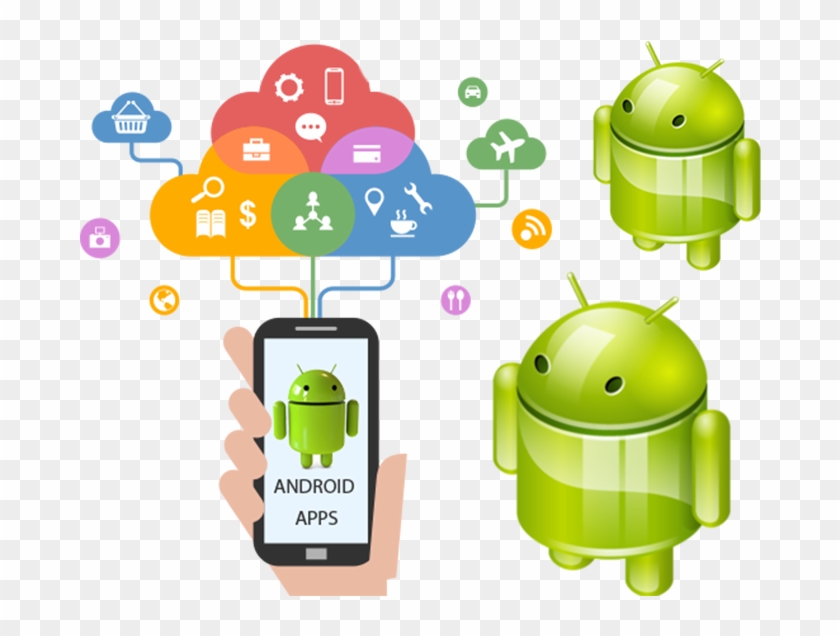
Illustration showing a hand holding a smartphone with the Android logo on the screen and the text "ANDROID APPS," connected via colorful lines to various icons representing different app categories and cloud services.
Mobile App Development

Top Mobile App Development Frameworks in 2025

Introduction The mobile app industry is growing faster than ever, and the demand for high-performing apps has reached new heights. Developers now need frameworks that offer speed, scalability, and cross-platform compatibility. In 2025, several frameworks dominate the app development world — each with its own unique advantages. Whether you’re an experienced developer or a beginner planning your first project, choosing the right mobile app development framework can significantly impact your app’s success. This guide explores the top mobile app development frameworks of 2025, comparing their features, performance, and use cases to help you make an informed decision. What is a Mobile App Development Framework? A mobile app development framework is a software toolkit that provides a foundation for building mobile applications. It includes reusable components like UI elements, API integrations, and development tools that speed up the process. Frameworks allow developers to: Write cleaner and reusable code Build cross-platform apps with a single codebase Reduce development time and costs Improve performance and scalability Frameworks are broadly divided into: Native frameworks (built specifically for iOS or Android) Cross-platform frameworks (run on multiple platforms) Hybrid frameworks (combine web and native technologies) Top Mobile App Development Frameworks in 2025 Let’s explore the best frameworks developers are using this year to build world-class mobile apps. 1. Flutter (by Google) Overview:Flutter continues to dominate the mobile app development space in 2025. It’s Google’s open-source UI framework for building natively compiled apps for mobile, web, and desktop from a single codebase. Key Features: Uses the Dart programming language Offers hot reload for real-time code updates Pre-built Material Design and Cupertino widgets Great performance, near-native experience Strong community and Google’s continuous updates Best For:Startups and enterprises that want visually rich, high-performing cross-platform apps. Popular Apps Built with Flutter:Google Ads, BMW App, eBay Motors, Reflectly 2. React Native (by Meta) Overview:React Native remains a favorite for developers who love JavaScript. It’s an open-source framework that enables developers to build mobile apps using React — the popular web library. Key Features: Uses JavaScript + React Near-native performance Vast community support Can integrate native modules for advanced functionality Supports both Android and iOS with a single codebase Best For:Developers who want a faster, flexible framework for building cross-platform apps. Popular Apps Built with React Native:Instagram, Facebook, Tesla, Walmart 3. SwiftUI (by Apple) Overview:For iOS developers, SwiftUI is a game-changer. Introduced by Apple, it allows developers to build interfaces declaratively using Swift — making it easier to design visually stunning apps for iPhone, iPad, and macOS. Key Features: Declarative UI syntax Real-time previews in Xcode Works seamlessly across Apple platforms Excellent integration with Combine framework Faster, cleaner codebase Best For:iOS developers who want to build modern apps within the Apple ecosystem. Popular Apps Built with SwiftUI:Apple’s own apps, productivity tools, finance apps, and more. 4. Kotlin Multiplatform (by JetBrains) Overview:Kotlin Multiplatform allows developers to share code between Android, iOS, desktop, and web apps. It’s ideal for businesses seeking efficiency without compromising native experience. Key Features: Code sharing across platforms Native performance and flexibility Interoperable with existing Java and Swift code Excellent IDE support (Android Studio + IntelliJ) Backed by JetBrains, creators of Kotlin Best For:Teams working on Android-first projects who also want iOS compatibility. 5. Ionic Overview:Ionic is an open-source framework built on top of Angular and Apache Cordova. It enables developers to build hybrid apps using standard web technologies like HTML, CSS, and JavaScript. Key Features: Based on web components Huge plugin library Easy learning curve for web developers Works with Angular, React, and Vue Rapid prototyping capability Best For:Web developers transitioning to mobile app development. Popular Apps Built with Ionic:MarketWatch, JustWatch, Diesel 6. Xamarin (by Microsoft) Overview:Xamarin is a mature framework backed by Microsoft that allows developers to build Android and iOS apps using C#. It’s integrated deeply with Visual Studio, offering great tooling support. Key Features: Code sharing up to 90% Uses C# and .NET Native-like performance Full access to native APIs Backed by Microsoft ecosystem Best For:Enterprise-level applications and teams already using Microsoft tools. 7. Apache Cordova Overview:Apache Cordova allows developers to create hybrid mobile apps using HTML, CSS, and JavaScript. It wraps web apps into native containers for distribution. Key Features: Simple for web developers Access to device features via plugins Works across all major platforms Strong community Best For:Lightweight apps and prototypes with basic device features. Comparison Table of Frameworks (2025) Framework Language Platform Performance Ideal For Community Support Flutter Dart Cross-Platform ★★★★★ Startups & Enterprises Excellent React Native JavaScript Cross-Platform ★★★★☆ Web Devs & Startups Excellent SwiftUI Swift iOS/macOS ★★★★★ Apple Ecosystem Strong Kotlin Multiplatform Kotlin Multi ★★★★☆ Android-first Teams Growing Ionic JS + Web Tech Hybrid ★★★☆☆ Web Developers Good Xamarin C# Cross-Platform ★★★★☆ Enterprises Strong Cordova JS Hybrid ★★☆☆☆ Simple Apps Moderate How to Choose the Right Framework When selecting a framework, consider the following factors: Target Platform – Are you developing for Android, iOS, or both? Budget & Timeline – Flutter and React Native offer cost efficiency for cross-platform projects. Performance Needs – Native frameworks like SwiftUI or Kotlin offer the best performance. Developer Skillset – Choose a framework aligned with your team’s expertise. Community Support – Strong ecosystems ensure faster problem-solving. Future of App Development Frameworks In 2025, frameworks are moving toward: AI-driven UI generation Low-code integration Seamless IoT and wearable support Improved 3D rendering for AR/VR apps Serverless backend integration Flutter and React Native are expected to remain top contenders, while Kotlin Multiplatform and SwiftUI will continue dominating their native ecosystems. Conclusion Choosing the right mobile app development framework is one of the most important decisions you’ll make as a developer or business owner. Frameworks like Flutter, React Native, SwiftUI, and Kotlin Multiplatform are shaping the future of mobile innovation. If you aim for performance and user experience, go native. If your priority is speed, flexibility, and cost efficiency, cross-platform frameworks are the way forward. In 2025, the best framework is not about popularity — it’s about what fits your project goals and audience. FAQs 1. Which framework

Scroll to Top