Internet of Things

Software development, Technology, Technology & Innovation

The Future of Wearable Technology: Beyond Smartwatches

The Future of Wearable Technology: Beyond Smartwatches Wearable technology has become a major part of modern life. Just a decade ago, wearable devices were mostly limited to fitness bands that counted steps and tracked basic activity. Today, smartwatches can monitor heart rates, detect falls, measure blood oxygen levels, and even perform electrocardiograms. However, the wearable technology industry is rapidly moving beyond smartwatches. In 2026, the next generation of wearable devices is transforming how people interact with technology, manage their health, communicate, and experience the digital world. From smart glasses and AI-powered assistants to smart clothing and health-monitoring patches, wearable technology is becoming more intelligent, less intrusive, and more integrated into everyday life. As advancements in artificial intelligence, sensors, connectivity, and materials science continue to accelerate, the future of wearable technology promises experiences that were once considered science fiction. The Evolution of Wearable Technology The journey of wearable technology began with simple devices designed to track physical activity. Over time, improvements in miniaturization, battery efficiency, and wireless communication allowed manufacturers to create more sophisticated products. The first wave of wearables focused on fitness tracking. The second wave introduced smartwatches capable of delivering notifications, supporting mobile payments, and monitoring health metrics. Today, the industry is entering its third wave, where wearable devices are becoming proactive companions rather than passive tools. Modern wearables are increasingly capable of understanding user behavior, predicting needs, and providing personalized recommendations through artificial intelligence. Instead of simply collecting data, future wearables will help users make informed decisions about their health, productivity, and daily routines. Why the Smartwatch Is No Longer the Center of Innovation Although smartwatches remain popular, they face several limitations. Small screens restrict user interactions, battery life remains a challenge, and constant notifications can contribute to digital fatigue. Technology companies are now exploring alternative wearable formats that provide richer experiences while reducing dependence on smartphones and traditional screen-based interfaces. The goal is not to replace smartwatches entirely but to create an ecosystem of specialized wearable devices that work together seamlessly. Smart Glasses: The Next Major Computing Platform One of the most promising developments in wearable technology is the rise of smart glasses. Unlike traditional screens that require users to look down at a phone or smartwatch, smart glasses place information directly within the user’s field of vision. This creates a more natural and immersive way of interacting with digital content. Future smart glasses are expected to offer: Real-time navigation overlays Instant language translation Hands-free communication AI-powered personal assistance Enhanced workplace productivity Augmented reality experiences Advancements in display technology are making smart glasses lighter, more stylish, and more practical for everyday use. As battery performance improves and artificial intelligence becomes more capable, smart glasses could eventually become the primary interface for digital interactions. AI-Powered Wearables Are Becoming Personal Assistants Artificial intelligence is rapidly becoming the driving force behind wearable innovation. Future wearable devices will do far more than collect information. They will analyze behavior patterns, understand user preferences, and proactively offer assistance. Imagine a wearable device that: Detects signs of stress before you notice them Suggests breaks during long work sessions Provides personalized fitness coaching Recommends dietary adjustments Schedules meetings based on energy levels Offers contextual information during conversations These capabilities are becoming possible through advanced machine learning models that process data directly on devices or through secure cloud platforms. AI-powered wearables are transforming technology from a reactive tool into a proactive companion. The Rise of Smart Clothing Smart clothing is emerging as one of the most exciting areas of wearable technology. Instead of wearing separate devices, users may soon wear garments embedded with intelligent sensors. These textiles can continuously monitor various physiological and environmental conditions without requiring additional accessories. Potential applications include: Heart rate monitoring Respiratory tracking Muscle activity analysis Posture correction Temperature regulation Athletic performance optimization For athletes, smart clothing can provide detailed performance insights. For healthcare providers, it can enable continuous patient monitoring. For everyday users, it can offer health tracking without the inconvenience of multiple devices. As flexible electronics become more affordable, smart clothing could become a mainstream technology over the next decade. Wearable Health Technology Is Revolutionizing Healthcare Healthcare remains one of the most impactful applications of wearable technology. Current wearable devices already track: Heart rate Sleep quality Blood oxygen levels Physical activity Stress indicators Future generations of wearables are expected to monitor even more advanced health metrics, including: Continuous blood pressure tracking Non-invasive glucose monitoring Hydration levels Early disease detection Respiratory health indicators Mental wellness metrics Continuous monitoring allows healthcare professionals to identify health risks before symptoms become severe. This shift from reactive healthcare to preventive healthcare has the potential to improve outcomes while reducing medical costs. Wearable health technology could become a critical component of personalized medicine in the coming years. Smart Rings Are Gaining Popularity Smart rings represent another growing category within wearable technology. These compact devices provide many of the same benefits as smartwatches while offering a more discreet form factor. Modern smart rings can track: Sleep patterns Activity levels Heart rate variability Stress levels Recovery metrics Because they are lightweight and comfortable, smart rings appeal to users who prefer minimalistic technology. As sensor technology continues to improve, smart rings may become powerful health-monitoring tools capable of delivering highly accurate biometric data. Brain-Computer Interfaces and Neural Wearables Perhaps the most futuristic area of wearable technology involves brain-computer interfaces (BCIs). These systems allow direct communication between the human brain and digital devices. Although still in the early stages of development, neural wearables could eventually enable: Hands-free device control Enhanced accessibility for people with disabilities Faster communication Advanced gaming experiences Cognitive monitoring Personalized learning systems Researchers and technology companies are investing heavily in this field because of its potential to redefine human-computer interaction. While widespread adoption may still be years away, neural wearables represent one of the most transformative possibilities for the future. Wearable Technology in the Workplace Businesses are increasingly adopting wearable technology to improve productivity, safety, and efficiency. Industrial wearables can help workers by: Providing real-time instructions

Aerial view of a modern smart city connected through digital IoT networks and data visualization.
Internet of Things

Internet of Things (IoT) in Smart Cities: Building the Future of Urban Living

Introduction Cities around the world are becoming smarter — not just in infrastructure but in the way they collect, process, and use data to improve citizens’ lives. At the heart of this revolution lies the Internet of Things (IoT), a network of interconnected devices that communicate in real-time to make urban environments more efficient, sustainable, and livable. From intelligent traffic lights that ease congestion to connected sensors that monitor air quality, IoT is transforming urban life into a seamless, data-driven ecosystem. By 2025, the global smart city market is projected to surpass $1 trillion, with IoT technologies leading the charge. This blog explores how IoT is powering smart cities, its applications, benefits, challenges, and what the future holds for this transformative technology. What is the Internet of Things (IoT)? The Internet of Things refers to a network of physical objects — devices, vehicles, sensors, and appliances — connected via the Internet to exchange and process data automatically. In smart cities, IoT devices play a crucial role in collecting real-time data on parameters such as traffic, energy usage, air pollution, water quality, and public safety. This data is then analyzed to improve city management and deliver better public services. Example:Smart waste bins equipped with IoT sensors notify municipal authorities when they’re full, optimizing garbage collection routes and saving resources. How IoT is Transforming Smart Cities 1. Smart Traffic Management Traffic congestion is one of the biggest challenges for urban areas. IoT-enabled intelligent traffic systems use sensors, cameras, and GPS data to monitor road conditions and traffic density in real-time. These systems automatically adjust traffic lights, reroute vehicles, and provide live traffic updates to commuters via apps like Google Maps or Waze. Result: Reduced travel time, lower fuel consumption, and fewer emissions. 2. Smart Energy and Utilities IoT-based smart grids and energy meters optimize electricity consumption across cities. Sensors track energy usage patterns, detect power outages, and balance supply and demand more efficiently. Example:Streetlights embedded with motion sensors automatically adjust brightness based on movement, saving up to 60% in energy costs. In addition, smart water meters help detect leaks early, reducing water waste — a critical advantage for cities facing water scarcity. 3. Waste Management and Sanitation IoT sensors in waste bins monitor fill levels and send alerts when collection is required. This eliminates unnecessary trips, reduces fuel consumption, and ensures cleaner urban environments. Example:Barcelona’s smart waste management system uses IoT-enabled vacuum tubes that automatically transport garbage to central collection points. 4. Public Safety and Surveillance IoT-powered CCTV networks, smart streetlights, and emergency response systems help enhance public safety. Real-time monitoring enables faster response to crimes, accidents, or natural disasters. Example:Smart cameras can detect unusual behavior or abandoned objects in crowded areas, alerting authorities instantly. 5. Smart Buildings and Infrastructure IoT sensors make buildings more energy-efficient and comfortable. Smart HVAC systems automatically adjust temperature based on occupancy, while predictive maintenance tools detect potential equipment failures before they occur. In addition, IoT-enabled elevators, lighting, and water systems help reduce operational costs and enhance sustainability. 6. Smart Mobility and Public Transport Public transport systems in smart cities are integrated with IoT for real-time tracking, contactless payments, and route optimization. Example:Singapore’s public transport uses IoT data to adjust bus frequencies based on passenger demand and traffic flow, improving efficiency and reducing waiting times. 7. Environmental Monitoring IoT sensors track air quality, noise levels, and water contamination, helping cities identify pollution hotspots and enforce environmental regulations. Example:In Copenhagen, smart air quality sensors installed on lampposts continuously measure CO₂ and particulate matter levels to promote cleaner air initiatives. Benefits of IoT in Smart Cities Improved Efficiency: Automated systems optimize resource usage and reduce human error. Enhanced Quality of Life: Citizens experience smoother transportation, better safety, and cleaner environments. Cost Savings: Real-time data allows cities to reduce energy, labor, and maintenance expenses. Sustainability: IoT solutions support eco-friendly policies by reducing waste and emissions. Data-Driven Governance: Governments can make smarter decisions based on real-time analytics. Challenges in Implementing IoT for Smart Cities While IoT offers immense benefits, several challenges must be addressed: Data Security and Privacy: IoT devices collect massive amounts of personal data, raising concerns about unauthorized access. Interoperability: Integrating devices from multiple manufacturers remains complex. Infrastructure Costs: Upgrading legacy systems for IoT compatibility requires significant investment. Network Reliability: IoT depends heavily on stable, high-speed connectivity — something still lacking in many regions. Data Overload: Managing and analyzing terabytes of data daily demands powerful computing resources and AI tools. The Role of AI and Edge Computing in Smart Cities To process the massive data generated by IoT, AI and edge computing are becoming vital. AI (Artificial Intelligence): Helps interpret data patterns to predict issues, optimize energy usage, or improve traffic flow. Edge Computing: Processes data closer to where it’s generated, reducing latency and bandwidth costs while ensuring real-time decisions. Together, they create an intelligent ecosystem capable of self-regulation and autonomous decision-making. The Future of IoT in Smart Cities By 2030, IoT will be deeply integrated into urban life: Autonomous vehicles will communicate with smart infrastructure. AI-driven city dashboards will predict and prevent issues before they occur. Blockchain technology may secure IoT data sharing across government agencies. Digital twins — virtual models of cities — will simulate real-time urban dynamics for better planning. Smart cities will evolve into living digital organisms, constantly learning, adapting, and improving based on citizen needs. Conclusion The Internet of Things is not just shaping smart cities — it’s redefining urban living altogether. As sensors, AI, and edge computing unite, cities will become more connected, sustainable, and responsive than ever before. However, success depends on balancing innovation with data privacy, security, and inclusive governance. The true vision of a smart city is one where technology empowers people — not the other way around. FAQs 1. What is the role of IoT in smart cities? IoT connects devices and sensors across a city to collect data, automate systems, and improve efficiency in areas like traffic, energy, and safety. 2. How does IoT improve urban sustainability?

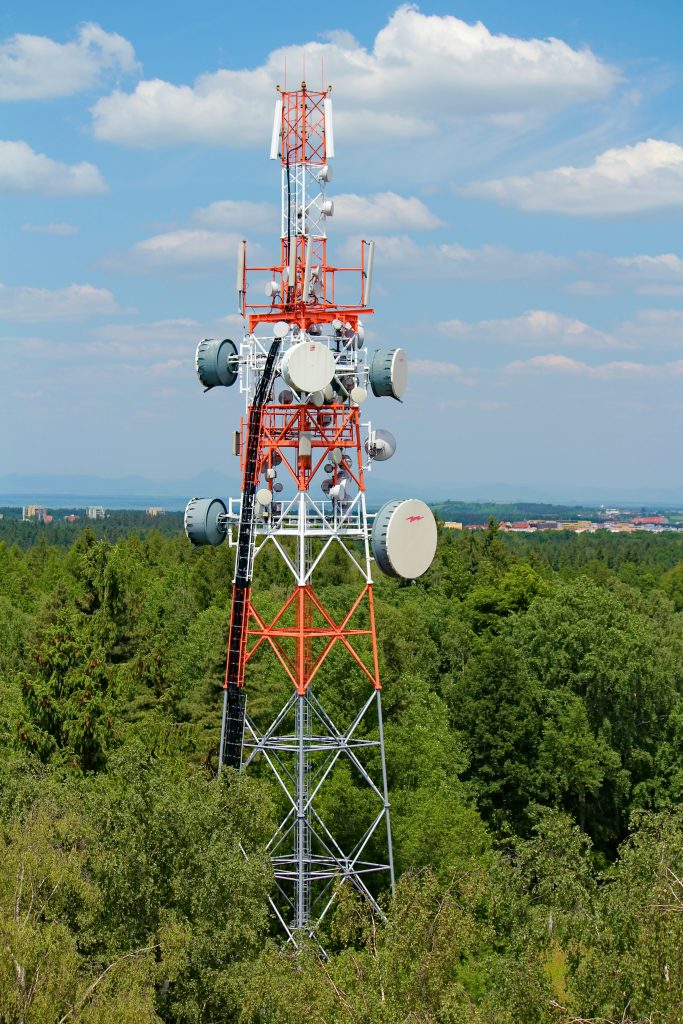
5G network tower with digital signal visualization representing next-generation wireless technology.
telecom

The Future of 5G and Connectivity

Introduction The world is becoming increasingly connected, and 5G technology stands at the center of this transformation. As the fifth generation of wireless communication, 5G promises to revolutionize the way people and devices interact. It offers lightning-fast speeds, ultra-low latency, and the capacity to support billions of connected devices simultaneously. From smart cities and autonomous vehicles to remote surgeries and immersive AR/VR experiences, the potential of 5G extends far beyond mobile networks. This blog explores the future of 5G and connectivity, how it differs from previous generations, its applications across industries, the challenges ahead, and how it will shape the digital world in the coming decade. What is 5G and How Does It Work? 5G is the fifth generation of cellular network technology, succeeding 4G LTE. It is designed to deliver: Higher data speeds (up to 100x faster than 4G) Lower latency (as low as 1 millisecond) Greater network reliability Increased capacity to connect multiple devices simultaneously 5G networks operate on three frequency bands: Low-band: Wide coverage but lower speed (similar to 4G). Mid-band: Balanced speed and coverage, ideal for cities. High-band (mmWave): Extremely fast but limited coverage — perfect for high-density areas like stadiums or urban centers. This combination ensures a flexible, scalable network that can adapt to different environments and user demands. Key Features of 5G Technology Ultra-Low Latency: Enables real-time communication, crucial for remote surgeries or autonomous vehicles. Massive Device Connectivity: Supports the Internet of Things (IoT) ecosystem, connecting sensors, wearables, and smart home devices seamlessly. Enhanced Speed and Bandwidth: Delivers gigabit-level download and upload speeds. Energy Efficiency: Uses advanced network slicing and intelligent routing to reduce power consumption. Network Slicing: Allows telecom providers to create customized virtual networks for specific industries — e.g., healthcare, logistics, or gaming. How 5G Will Transform Industries 1. Healthcare 5G will redefine telemedicine, remote patient monitoring, and robotic surgeries. Doctors can perform procedures remotely with near-zero latency. Real-time data sharing between medical devices will improve diagnostics and treatment accuracy. 2. Manufacturing Through smart factories, 5G enables machine-to-machine communication, real-time analytics, and predictive maintenance. This leads to reduced downtime, increased productivity, and improved worker safety. 3. Transportation 5G supports autonomous vehicles by enabling real-time communication between cars, infrastructure, and cloud systems. It ensures faster decision-making and enhances traffic management, making roads safer and more efficient. 4. Entertainment and Gaming Ultra-fast speeds and minimal lag will revolutionize online gaming, virtual reality (VR), and augmented reality (AR) experiences. Cloud gaming platforms like NVIDIA GeForce NOW and Xbox Cloud Gaming will perform seamlessly on 5G networks. 5. Smart Cities From intelligent traffic control to real-time surveillance and energy management, 5G will power smart city infrastructures, improving the quality of life for citizens and reducing environmental impact. 6. Agriculture 5G-powered drones and IoT sensors can monitor soil, crops, and livestock health. Real-time data analysis helps farmers optimize irrigation, reduce waste, and boost yield efficiency. The Role of 5G in Global Connectivity 5G is not just about speed — it’s about empowering connectivity across regions that were previously underserved. Rural areas will gain better internet access, enabling remote learning, telehealth, and small business growth. Moreover, 5G will pave the way for global IoT networks, connecting billions of smart devices — from wearables to industrial robots — enabling a fully digital ecosystem. Challenges in 5G Implementation Despite its potential, 5G faces several challenges: High Infrastructure Costs: Setting up 5G networks requires new base stations and fiber optics, which are expensive. Limited Coverage: High-frequency bands have shorter ranges, demanding dense network deployment. Security Concerns: With increased connectivity, the risk of cyber threats and data breaches rises. Energy Consumption: While efficient, the initial rollout phase requires more power to support dense network nodes. Regulatory and Spectrum Issues: Allocation of 5G spectrum bands varies across countries, slowing global adoption. Future Trends and Innovations in 5G 6G on the Horizon: Expected around 2030, 6G will build on 5G with speeds up to 1 Tbps and integration of AI-driven communication. AI and Edge Computing Integration: 5G will combine with edge computing to process data closer to the source, minimizing latency further. Extended Reality (XR): 5G will enable ultra-realistic AR/VR experiences in education, design, and remote collaboration. Autonomous Ecosystems: Smart logistics, drone deliveries, and automated vehicles will flourish under reliable 5G networks. Sustainable Networks: Energy-efficient 5G infrastructure and renewable-powered data centers will help reduce carbon footprints. Conclusion The future of 5G and connectivity promises a hyperconnected world where speed, intelligence, and reliability converge. As industries adopt this next-gen technology, we’ll witness new innovations that reshape how we live, work, and communicate. While challenges like cost and infrastructure remain, the benefits of 5G will far outweigh them — ushering in an era of digital transformation, real-time interaction, and limitless possibilities. FAQs 1. What makes 5G different from 4G? 5G offers much faster speeds, lower latency, and higher connection density than 4G, enabling real-time communication and smart device integration. 2. How will 5G affect everyday users? Consumers will experience faster downloads, smoother streaming, and improved mobile gaming, along with better connectivity for IoT devices. 3. Which industries will benefit the most from 5G? Healthcare, manufacturing, transportation, entertainment, and smart city infrastructure will see the most transformative effects from 5G. 4. What are the security concerns in 5G networks? Since 5G connects more devices, it increases the attack surface for hackers, making data encryption and network monitoring critical. 5. When will 5G become mainstream globally? By 2027–2030, 5G is expected to become widely available worldwide as infrastructure expands and device compatibility improves.

telecom

The Evolution of Telecommunications

How 5G and Beyond Are Transforming Our Connected World   The telecommunications industry stands at the forefront of technological innovation, continuously reshaping how we communicate, work, and live. From the early days of telegraph systems to today’s ultra-fast 5G networks, telecom has been the backbone of global connectivity. In this post, we’ll explore the current state of telecommunications and what the future holds for this dynamic industry.   The 5G Revolution: More Than Just Speed   Fifth-generation wireless technology (5G) represents a quantum leap in mobile connectivity. While most people associate 5G with faster download speeds, its impact extends far beyond streaming videos more quickly. Key Benefits of 5G Technology: Ultra-Low Latency: 5G networks can achieve latency as low as 1 millisecond, making real-time applications like remote surgery and autonomous vehicles possible. Massive Device Connectivity: 5G can support up to 1 million devices per square kilometer, essential for the expanding Internet of Things (IoT) ecosystem. Enhanced Reliability: Network slicing allows telecom operators to create virtual networks tailored to specific use cases, ensuring consistent performance for critical applications. Energy Efficiency: Despite higher speeds, 5G technology is designed to be more energy-efficient per bit of data transmitted compared to 4G. The Rise of Edge Computing in Telecom Edge computing is revolutionizing how telecom networks process data. By moving computation closer to data sources, edge computing reduces latency and bandwidth usage while improving response times. Telecom companies are deploying edge data centers at cell tower locations, enabling applications that require immediate processing, such as augmented reality, virtual reality, and real-time analytics. This distributed architecture is crucial for supporting the massive data flows generated by 5G networks and IoT devices. IoT and Smart Cities: Telecom’s Role in Urban Transformation Telecommunications infrastructure forms the nervous system of smart cities. As urban areas become more connected, telecom networks enable: Smart Traffic Management: Real-time traffic monitoring and adaptive signal control reduce congestion and emissions Public Safety Systems: Integrated surveillance and emergency response networks improve security Utility Management: Smart grids and water systems optimize resource consumption Environmental Monitoring: Sensor networks track air quality, noise levels, and weather conditions The deployment of 5G networks accelerates smart city development by providing the bandwidth and reliability needed for millions of connected devices to operate simultaneously. Cybersecurity Challenges in Modern Telecom As telecom networks become more complex and interconnected, cybersecurity has emerged as a critical concern. The industry faces several challenges: Network Vulnerabilities: The transition to software-defined networks and virtualized infrastructure creates new attack surfaces that must be protected. IoT Device Security: Billions of connected devices often lack robust security features, making them potential entry points for cyberattacks. Data Privacy: With networks carrying sensitive personal and business data, telecom companies must implement stringent privacy protections to comply with regulations like GDPR and maintain customer trust. Leading telecom operators are investing heavily in AI-powered security systems that can detect and respond to threats in real-time, ensuring network integrity and customer data protection. The Path to 6G: What’s Next? While 5G deployment continues worldwide, researchers are already developing sixth-generation (6G) wireless technology. Expected to launch commercially around 2030, 6G promises: Terahertz frequencies: Enabling speeds up to 100 times faster than 5G AI-native networks: Deep integration of artificial intelligence into network operations Holographic communications: Supporting truly immersive telepresence experiences Sensing capabilities: Networks that can detect environmental conditions and object locations 6G will likely integrate terrestrial and non-terrestrial networks, incorporating satellites and high-altitude platforms to ensure truly global coverage. Sustainability in Telecommunications The telecom industry is increasingly focused on environmental sustainability. Network infrastructure consumes significant energy, and companies are taking steps to reduce their carbon footprint: Transitioning to renewable energy sources for data centers and cell towers Implementing energy-efficient equipment and cooling systems Optimizing network traffic to reduce unnecessary energy consumption Promoting device recycling and circular economy initiatives Major telecom operators have committed to achieving net-zero carbon emissions by 2040 or earlier, recognizing their responsibility in addressing climate change. Conclusion: Staying Connected in an Evolving Landscape The telecommunications industry continues to evolve at a breathtaking pace, driven by technological innovation and changing consumer demands. From 5G networks enabling new applications to the promise of 6G on the horizon, telecom remains central to our increasingly digital lives. As we look to the future, the successful telecom companies will be those that balance innovation with security, performance with sustainability, and global reach with local relevance. The connected world of tomorrow is being built today, one cell tower, fiber optic cable, and software update at a time.  

Internet of Things

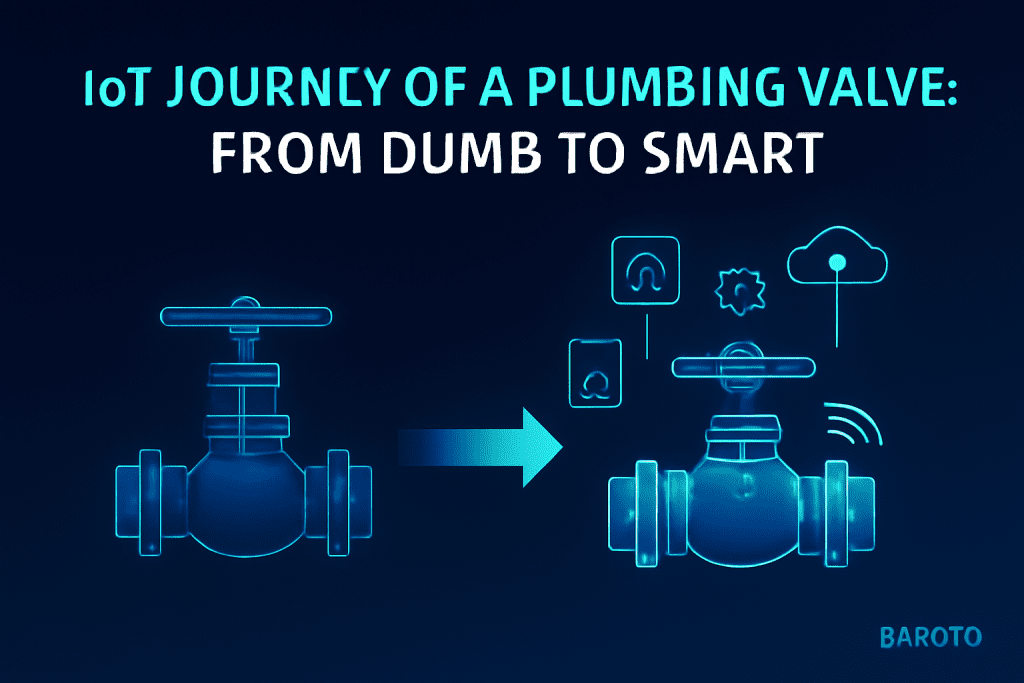
IoT Journey of a Plumbing Valve: From Dumb to Smart—A Hardwork Product Story

Introduction Traditionally, plumbing valves were mere mechanical switches—simple, robust, and entirely manual. But with the rise of the Internet of Things (IoT), these “dumb” products are undergoing a spectacular digital transformation, turning into intelligent, connected, and self-optimizing components of modern water systems. In this blog, we chronicle the real-world journey of a plumbing valve—from initial concept to becoming a smart hardware product—and show how the convergence of sensors, cloud connectivity, and data analytics enables new levels of efficiency, sustainability, and value. 1. Phase One: The Age of Dumb Valves Manual operation: Requires on-site access, often leading to delayed response for leaks or issues. Lack of data: No usage tracking, failure prediction, or remote diagnostics. Constant supervision: Human monitoring needed to ensure systems function as intended. Maintenance challenges: Failures are often detected late, causing water loss or property damage. 2. The Trigger: What Problems Spark Smart Plumbing Innovation? Water wastage and costly leaks: Manual valves can’t respond instantly to unexpected bursts or inefficiencies. Regulatory pressure and sustainability goals: Cities and organizations demand more visibility and control over water consumption. Labor and maintenance costs: Manual checks are labor-intensive and prone to human error. 3. Reimagining the Valve: Digital Foundations Embedded Sensors: Smart valves are equipped with flow, pressure, and sometimes chemical sensors, enabling real-time monitoring of water conditions at every point in the system. Wireless Connectivity: Modern smart valves feature WiFi, ZigBee, LoRa, or cellular modules that communicate with building management systems or mobile apps. Microcontrollers & Actuators: Allow the valve to be operated remotely and respond autonomously to sensor data (e.g., shutting off when a leak is detected). 4. The IoT Plumbing Valve Solution: Capabilities Unleashed Remote Monitoring & Control: Facility managers and homeowners can check valve status, flow rates, and issue commands from a smartphone or dashboard—anywhere, anytime. Automated Alerts: Receive instant notifications for leaks, excessive flow, or freezing conditions, enabling rapid response and minimizing damage. Predictive Maintenance & Analytics: The combination of usage data and AI analytics supports proactive servicing, optimizing both performance and lifespan of plumbing assets. Integration with Smart Ecosystems: Connect valves to fire suppression, energy management, or home automation platforms for unified, responsive building operations. 5. Real-World Impact Water Utilities: Deploy smart valves to monitor city-wide systems, reduce non-revenue water through early leak detection, and optimize pressure to minimize bursts. Commercial Buildings: Achieve regulatory compliance, reduce operational costs, and deliver greener, more responsive facilities. Residential Homes: Prevent costly flood damage and empower owners to actively manage water usage and conserve resources. 6. The Future: Smarter, Safer, Sustainable AI + Digital Twins: Next-gen smart valves use digital twins and AI to simulate and optimize real-world performance, preempting problems before they happen. Edge Computing: Smart valves are becoming more autonomous, running analytics on-device for instant decision-making. Self-Learning Systems: Over time, smart valves adapt to usage patterns, environmental changes, and unique plumbing demands—delivering truly “intelligent” water management. Conclusion The IoT-driven evolution of plumbing valves is a story of hard work, innovation, and digital transformation. What started as a humble manual component is now central to smart buildings, sustainable utilities, and efficient, resilient infrastructure. Businesses and homeowners ready to harness the full value of IoT plumbing systems—integrating smart sensors, cloud dashboards, and AI analytics—will drive the next phase of efficiency and water wisdom. Interested in building, upgrading, or monitoring your own smart plumbing systems? Partner with the IoT and web development leaders at TechOTD, leverage advanced analytics with AI solutions, or explore industry-specific innovations at Industry Solutions. Discover flexible, scalable, and secure digital plumbing control—start your journey today! FAQ 1. What makes a plumbing valve “smart”? Sensors, actuators, and wireless connectivity allow for real-time data, remote control, and autonomous behavior in response to leaks or usage patterns. 2. What are the biggest benefits of IoT plumbing valves? Instant leak detection, predictive maintenance, water conservation, and remote monitoring/control. 3. Can smart valves integrate with other smart home or building systems? Yes! Modern platforms enable integration with fire, HVAC, and central building management systems for holistic control. 4. Are smart valves cost-effective for small buildings or homes? While initial investment is higher than standard valves, long-term savings from avoided damage, lower labor, and water efficiency justify the expense. 5. How do I get started with smart plumbing technology? Contact experts like Techotd for a tailored solution that fits your property, budget, and sustainability goals.

Scroll to Top