
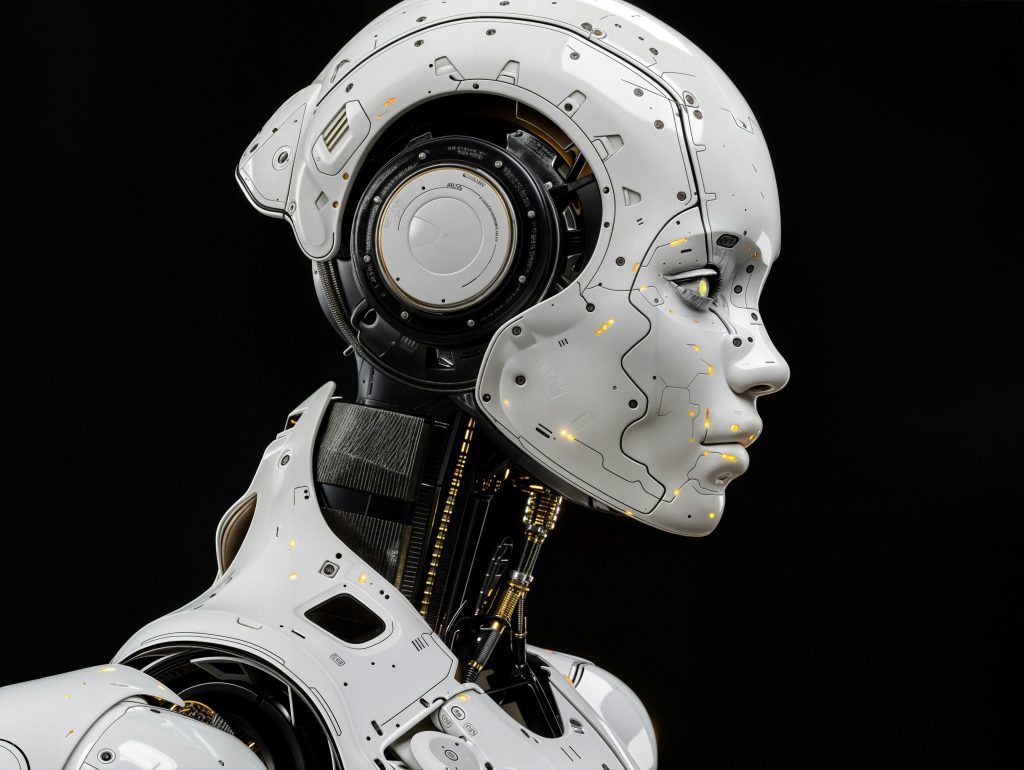
human-robot collaboration

Machines that mimic human gestures and expressions
Uncategorized

The Future of Automation and Robotics: Transforming Industries and Everyday Life

Introduction Automation and robotics are no longer futuristic ideas—they’re a living, breathing reality that’s reshaping industries, transforming workplaces, and redefining how humans interact with machines. From self-driving cars to automated manufacturing lines, robots and intelligent systems are now embedded in nearly every sector. As we enter a new era of Industry 5.0, the collaboration between humans and robots is becoming the cornerstone of innovation. Automation is not just about replacing human labor but about enhancing efficiency, safety, and precision while freeing people for more creative and strategic work. What is Automation and Robotics? Automation refers to the use of technology to perform tasks with minimal human intervention. It involves systems or machines that follow predefined instructions or adapt based on data input.Example: Automated billing systems, robotic assembly lines, and smart home devices. Robotics is a specialized branch of engineering that deals with designing, constructing, and operating robots — machines capable of carrying out complex actions autonomously or semi-autonomously.Example: Industrial robots assembling cars, surgical robots in hospitals, and drones for logistics. When combined, automation and robotics create a powerful synergy that drives speed, accuracy, and cost-effectiveness across industries. Applications Across Industries 1. Manufacturing and Industry 4.0 Robotics in manufacturing has been a game-changer. Automated robotic arms, precision sensors, and AI-powered quality checks ensure products are made faster, safer, and with fewer defects. Example: Car manufacturers like Tesla and Toyota use fully automated production lines with minimal human supervision. Impact: Reduced labor costs, enhanced production rates, and consistent quality. 2. Healthcare and Surgery In healthcare, robotic automation enables precision and minimal invasiveness. Example: The Da Vinci Surgical System assists surgeons with high-precision movements. Impact: Shorter recovery times, smaller incisions, and greater surgical accuracy. 3. Agriculture Robotics is revolutionizing agriculture with smart drones and automated harvesters. Example: Drones monitor crop health, soil quality, and irrigation. Impact: Higher yields, reduced waste, and optimized resource usage. 4. Logistics and Warehousing Automated guided vehicles (AGVs), conveyor systems, and robotic sorters manage large warehouses like those of Amazon or Flipkart. Impact: Improved delivery speed, error reduction, and 24/7 operations. 5. Retail and Customer Service From robotic baristas to self-checkout counters and chatbots, automation is enhancing customer experience and operational efficiency. Example: Walmart uses robots to scan shelves and track inventory. 6. Defense and Security Autonomous drones and surveillance robots are improving national security and battlefield safety. Impact: Risk reduction for soldiers and enhanced decision-making through real-time data analysis. AI and Machine Learning in Robotics Modern robotics heavily relies on Artificial Intelligence (AI) and Machine Learning (ML) to learn from data and make decisions. Robots can now adapt to changing environments and perform complex cognitive tasks like facial recognition or navigation. Collaborative robots (cobots) work safely alongside humans, learning through continuous feedback loops. This integration of AI allows robots to go beyond repetitive tasks and step into roles that demand problem-solving and adaptability. Benefits of Automation and Robotics ✅ Increased productivity and operational efficiency ✅ Reduced human error ✅ Enhanced workplace safety ✅ Lower operational costs ✅ 24/7 operation capability ✅ Consistent quality and output Challenges and Concerns Job Displacement:Automation can replace certain repetitive or manual jobs, leading to workforce restructuring. High Initial Costs:Robotics systems require significant capital investment for setup and maintenance. Cybersecurity Risks:Connected robots can be vulnerable to hacking and data theft. Ethical Dilemmas:The growing autonomy of robots raises questions about accountability, privacy, and human control. The Future of Automation and Robotics The next decade will see humans and robots working together in harmony. Robots will become more intelligent, intuitive, and emotionally aware through AI-driven empathy and neural interfaces. Key Emerging Trends: Humanoid Robots: Machines that mimic human gestures and expressions (e.g., Sophia the Robot). Soft Robotics: Robots made with flexible materials for delicate tasks like food handling. Autonomous Vehicles: Self-driving logistics fleets reducing delivery times and accidents. Industry 5.0: Human-centric automation, where technology empowers—not replaces—humans. The goal is no longer full automation but collaboration, enabling people to focus on creativity, innovation, and decision-making while robots handle the repetitive groundwork. Conclusion Automation and robotics represent the backbone of future innovation. While challenges remain—like cost, ethics, and employment shifts—the benefits are undeniable.Industries that embrace this transformation will thrive in speed, safety, and scale, while those resisting it risk falling behind. The ultimate vision?A world where robots and humans work side-by-side, leveraging each other’s strengths to achieve unprecedented progress. FAQs Q1. How is automation different from robotics?Automation refers to using technology to perform tasks with minimal human input, while robotics specifically involves machines that can execute those tasks physically or intelligently. Q2. Will automation lead to job loss?While some repetitive roles may be automated, new opportunities are emerging in robot maintenance, programming, and AI management. Q3. What are the main industries using robotics today?Manufacturing, logistics, healthcare, agriculture, and defense are leading adopters of robotics technology. Q4. What is the role of AI in modern robotics?AI enables robots to learn from data, adapt to environments, and make intelligent decisions — making them more autonomous and useful across diverse tasks. Q5. What does Industry 5.0 mean?Industry 5.0 focuses on collaboration between humans and robots, emphasizing creativity, personalization, and sustainability rather than full automation.
Artificial Intelligence

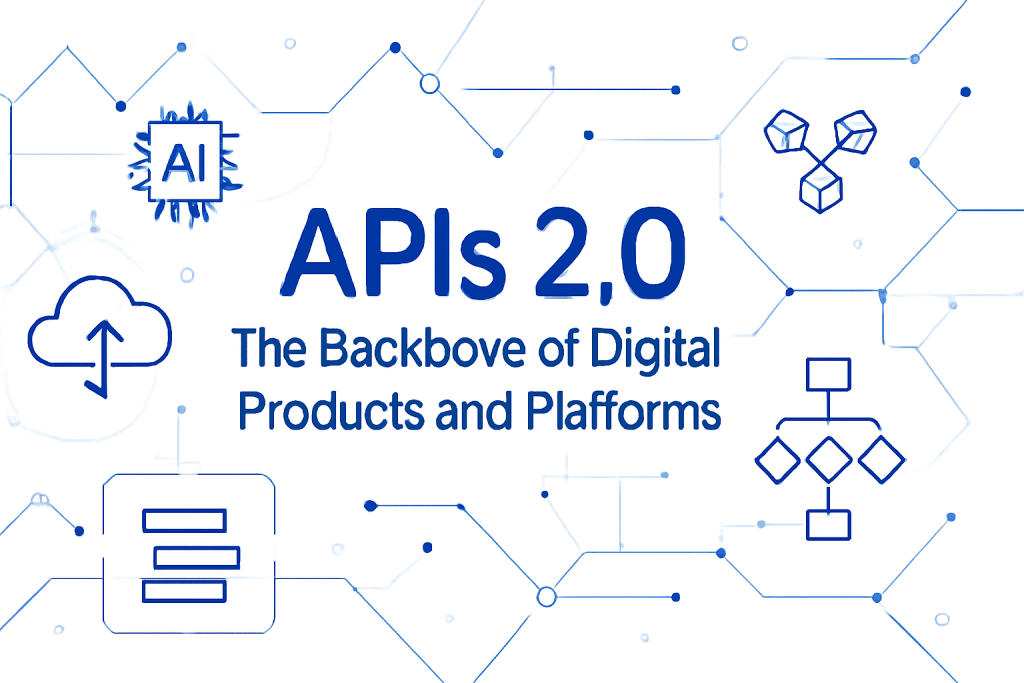
APIs 2.0: The Backbone of Digital Products and Platforms

Introduction In today’s fast-evolving digital economy, Application Programming Interfaces (APIs) have become far more than integration points—they are the nervous system of modern digital products and platforms. The next wave, APIs 2.0, moves beyond simple data fluency to offer intelligence, real-time interaction, robust security, and lifecycle governance across AI, blockchain, IoT, and cloud ecosystems. For businesses committed to agility, scalability, and innovation, APIs 2.0 are no longer optional—they’re foundational. This comprehensive guide explores what powers APIs 2.0, how they empower industries, and best practices to successfully harness their transformative potential. Table of Contents What Defines APIs 2.0 Core Features of APIs 2.0 Why APIs 2.0 Matter for Digital Platforms Key Industry Use Cases Challenges and Strategic Solutions Best Practices for Adopting APIs 2.0 Future Trends: What Lies Ahead Key Points Summary Table FAQ Section Conclusion 1. What Defines APIs 2.0 APIs 2.0 represent a new generation of interfaces — smarter, more interactive, and secure. They go beyond REST or SOAP, incorporating: Intelligent Capabilities: AI/ML-powered responses, adaptive routing, and predictive insights (TechOTD AI page) Event-Driven Architecture: Real-time, asynchronous communication via streams or WebSockets, powered by standards like AsyncAPI asyncapi.comThe New Stack GraphQL & Async APIs: Precision querying, minimal data tunneling, and asynchronous updates for efficiency API7 Advanced Security: Zero Trust, OAuth, blockchain-based authentication for trusted operations API Mesh & Management: Unified orchestration, lifecycle control, governance, and observability across distributed systems DZoneNordic APIs Together, these capabilities transform APIs into dynamic, intelligent workflows rather than static connectors. 2. Core Features of APIs 2.0 Intelligent Routing & API Mesh API Mesh extends beyond gateways and service meshes, creating a unified orchestration layer across all API environments. It helps with dynamic routing, scalability, and lifecycle management DZone. Event-Driven & Real-Time Interaction Using AsyncAPI standards enables seamless handling of message-driven architectures with tooling and governance in place MuleSoftPatryk Bandurski. Protocol Flexibility: GraphQL, gRPC, WebSockets APIs 2.0 embrace multiple protocols—REST, GraphQL for custom data requests, gRPC for high-performance inter-service communication, and WebSockets/Kafka for real-time streaming API7. Unified Governance & Observability Modern API management integrates policy enforcement, observability, and governance across cloud, microservices, and multi-environment systems Nordic APIsMedium. Enhanced Security & Zero Trust These APIs incorporate multi-layered authentication, rate limiting, encryption, and threat monitoring to protect data and operations. 3. Why APIs 2.0 Matter for Digital Platforms Scalability & Microservices APIs 2.0 are ideal for scaling microservices, serverless functions, and containerized deployments. They align with modern DevOps pipelines and continuous delivery strategies (How We Work). Immersive & Real-Time Experience Event-driven APIs power use cases like live dashboards, push notifications, and dynamic personalization (Seamless customer journeys with AI). Ecosystem Expansion Open APIs and marketplaces foster developer communities, allowing third-party integrations and monetization models (Mobile Apps Services). AI & Blockchain Integration Advanced APIs connect enterprise systems to AI engines and blockchain smart contracts for autonomous workflows and secured transactions (Large Language Models in Finance; Blockchain Integration in Dubai). Real-Time Analytics & Decisioning Tight integration with predictive analytics and data pipelines enables real-time insights and automated decision-making (Predictive Analytics Software Guide). 4. Key Industry Use Cases Finance and FinTech Open banking, fraud monitoring, AI-powered insights — APIs 2.0 enable secure, intelligent financial services. Healthcare Real-time EHR exchange, diagnostics, and telehealth APIs improve patient care and compliance. Telecommunications Seamless IoT provisioning, dynamic network orchestration, and subscriber management rely on robust, lightweight APIs. Retail & E-Commerce Dynamic pricing, inventory sync, omnichannel cart updates, and personalization all hinge on modern API interfaces. EdTech & Hybrid Learning APIs 2.0 drive content delivery, student analytics, and virtual classroom integration (Technology Impact on Education). 5. Challenges and Strategic Solutions Challenge API 2.0 Solution Security & Exposure Implement zero-trust, OAuth, encryption, regular audits (How We Work) API Governance Complexity Use management platforms for versioning, developer portals, lifecycle control Performance & Scalability Enable caching, load balancing, autoscaling microservices Developer Friction Provide documentation, SDKs, and sandbox onboarding (Best Gadgets for Programmers) 6. Best Practices for Adopting APIs 2.0 Begin with an API-First Design mindset. Utilize an API Mesh for distributed governance (DZone API Mesh) DZone. Embrace AsyncAPI specifications for event-driven implementations MuleSoftPatryk Bandurski. Support multiple protocols—REST, GraphQL, gRPC, WebSockets—for varied performance needs API7. Deploy unified API Management—for observability, monetization, and lifecycle control Nordic APIs. Apply rigorous security practices, including zero-trust and encryption. Equip developers with documentation, SDKs, and sandbox environments. 7. Future Trends: What Lies Ahead AI-Powered APIs: Self-optimizing endpoints that predict traffic patterns and auto-adjust routing. Decentralized APIs: Blockchain-backed authentication for trusted peer-to-peer services. API Marketplaces: Platforms where APIs are packaged, monetized, and consumed like products. Edge Computing Integration: APIs powered at the edge to reduce latency and boost responsiveness. Unified API Management Suites: End-to-end governance across cloud, on-prem, and distributed systems. 8. Key Points Topic Insight Definition APIs 2.0 are intelligent, real-time, secure, and flexible interfaces. Role Backbone of scalable platforms and seamless omnichannel experiences. Leading Industries Finance, healthcare, telecom, retail, education. Challenges Security, governance, performance, developer experience. Best Practices API-first, mesh architecture, security-by-design, developer enablement. 9. FAQs Q1: How do APIs 2.0 differ from traditional APIs?APIs 2.0 include AI logic, event-driven capabilities, multiple protocols, and robust governance versus simple REST calls. Q2: Do I need an API Mesh for APIs 2.0?Yes—API Mesh enables unified routing, lifecycle, and governance—especially in complex architectures (DZone API Mesh) DZone. Q3: When should I use GraphQL vs gRPC vs WebSockets? GraphQL lets clients fetch curated data in a single query. gRPC is ideal for internal microservice calls with low latency. WebSockets/Kafka suit real-time streaming needs API7. Q4: What’s the role of AsyncAPI?AsyncAPI defines standards for event-driven APIs, improving documentation, governance, and team collaboration MuleSoftPatryk Bandurski. Q5: How do I secure APIs 2.0 effectively?Use zero-trust security, OAuth, gateways, encryption, threat monitoring, and regular audits. Image Alt Text “Visual illustration of modern APIs 2.0 connecting cloud, AI, IoT and blockchain in a digital infrastructure.” Conclusion APIs 2.0 are redefining what it means to build digital products and platforms, evolving from static interfaces to dynamic, intelligent systems that power scalability, security, and innovation. By embracing API-first design, multiple protocols, real-time architectures, robust governance, and

Artificial Intelligence

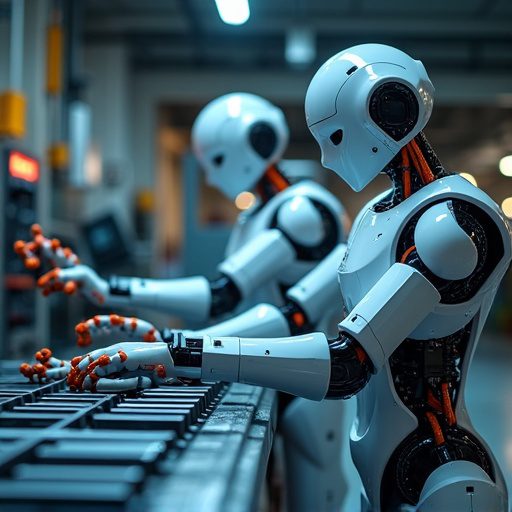
10 Use Cases, Benefits, and Examples of How cobots are Transforming the Manufacturing Industry

Introduction The manufacturing industry has always been at the forefront of adopting new technologies. From the industrial revolution to automation and now artificial intelligence (AI), innovation is continuously shaping how goods are produced. One of the most revolutionary advancements of the 21st century is the rise of collaborative robots (cobots). Unlike traditional industrial robots that work in isolation, cobots are designed to work alongside humans, augmenting their skills and enhancing efficiency. In this comprehensive blog, we’ll explore 10 real-world use cases of cobots in manufacturing, the key benefits they offer, and practical examples of their adoption worldwide. (For more AI-driven business insights, explore AI solutions and check out our latest blogs on transformative technologies.) What Are Cobots? Cobots, or collaborative robots, are advanced robotic systems designed to share workspace with humans. Unlike traditional robots that require safety cages, cobots integrate safety features such as force sensors, vision systems, and smart programming, making them safe to work alongside people. They are cost-effective, flexible, and highly scalable, making them ideal for small and medium-sized enterprises (SMEs) that previously could not afford robotics. 10 Use Cases of Cobots in Manufacturing 1. Assembly Line Automation Cobots can handle repetitive tasks such as screwing, fitting, and component assembly. Benefit: Reduces human error and increases consistency. Example: BMW uses cobots on their assembly line to assist workers in fitting car doors, ensuring accuracy without replacing human jobs. 2. Quality Inspection & Testing Cobots equipped with vision systems can inspect products for defects with high accuracy. Benefit: Improves product quality and reduces wastage. Example: A food packaging plant in Japan uses cobots to scan for damaged packaging before distribution. 3. Machine Tending Cobots can load and unload CNC machines, injection molding machines, or 3D printers. Benefit: Increases machine uptime and reduces operator fatigue. Example: A US-based plastics manufacturer deployed cobots for injection molding machine tending, boosting output by 25%. 4. Material Handling & Logistics Cobots move raw materials, tools, and products across the factory floor. Benefit: Enhances worker safety by reducing manual lifting. Example: DHL uses cobots in warehouses for picking and transporting items alongside human workers. 5. Packaging & Palletizing Cobots are ideal for repetitive tasks like placing items into boxes or stacking pallets. Benefit: Reduces packaging time and increases efficiency. Example: Universal Robots’ cobots are widely used in FMCG companies for automated palletizing. 6. Welding & Soldering Cobots can perform precision welding tasks with minimal supervision. Benefit: Improves welding quality while protecting humans from hazardous fumes. Example: Ford Motor Company uses cobots for welding, reducing error rates in vehicle production. 7. Painting & Coating Cobots apply paint or coatings with high precision and uniformity. Benefit: Reduces wastage of materials and ensures consistent surface finish. Example: A furniture manufacturer in Italy uses cobots for automated spray painting, cutting down coating costs by 30%. 8. Electronics Manufacturing Cobots handle delicate components like circuit boards and microchips. Benefit: Increases accuracy and reduces product defects. Example: Samsung uses cobots in semiconductor manufacturing for handling fragile wafers. 9. Healthcare & Pharmaceutical Manufacturing Cobots assist in pill packaging, sterile lab work, and chemical handling. Benefit: Reduces contamination risk and ensures compliance with safety standards. Example: A pharma lab in Germany deployed cobots for filling vials during the COVID-19 vaccine production process. 10. 3D Printing & Additive Manufacturing Cobots assist in preparing materials, cleaning, and post-processing printed items. Benefit: Streamlines the additive manufacturing workflow. Example: Aerospace manufacturers use cobots to handle large-scale printed parts requiring precision finishing. Key Benefits of Cobots in Manufacturing Enhanced Productivity – Cobots reduce downtime and keep machines running longer. Improved Worker Safety – Cobots take on hazardous and physically demanding tasks. Flexibility & Scalability – Easily programmable for different processes. Cost-Effectiveness – Lower investment compared to traditional industrial robots. Higher Quality Products – Consistency in repetitive processes ensures fewer defects. Faster ROI – Most cobot investments pay for themselves within 12-18 months. Seamless Human-Robot Collaboration – Workers focus on creative/problem-solving tasks. Future-Readiness – Prepares factories for Industry 4.0 and smart manufacturing. (To learn more about tech-driven efficiency, check our guide on predictive analytics software. Real-World Examples of Cobots in Action   Automotive: BMW & Ford use cobots for assembly and welding. Electronics: Samsung & Sony deploy cobots for micro-component handling. Food & Beverages: Nestlé uses cobots for packaging chocolates. Pharmaceuticals: Pfizer and Moderna deployed cobots during COVID-19 vaccine production. SMEs: Thousands of small businesses now integrate cobots to remain competitive. The Future of Cobots in Manufacturing With the rise of AI, IoT, and machine learning, cobots will become smarter, more autonomous, and capable of predictive maintenance. Future cobots will not just assist but learn and optimize processes on their own. (For more insights, see how AI is shaping customer service). Final Thoughts Cobots are no longer a futuristic concept—they are already reshaping manufacturing by enabling smarter, safer, and more efficient factories. Businesses that embrace cobots today will gain a competitive edge in productivity, cost savings, and innovation. Whether you are a small manufacturer or a global enterprise, cobots represent the future of human-machine collaboration.

Scroll to Top