
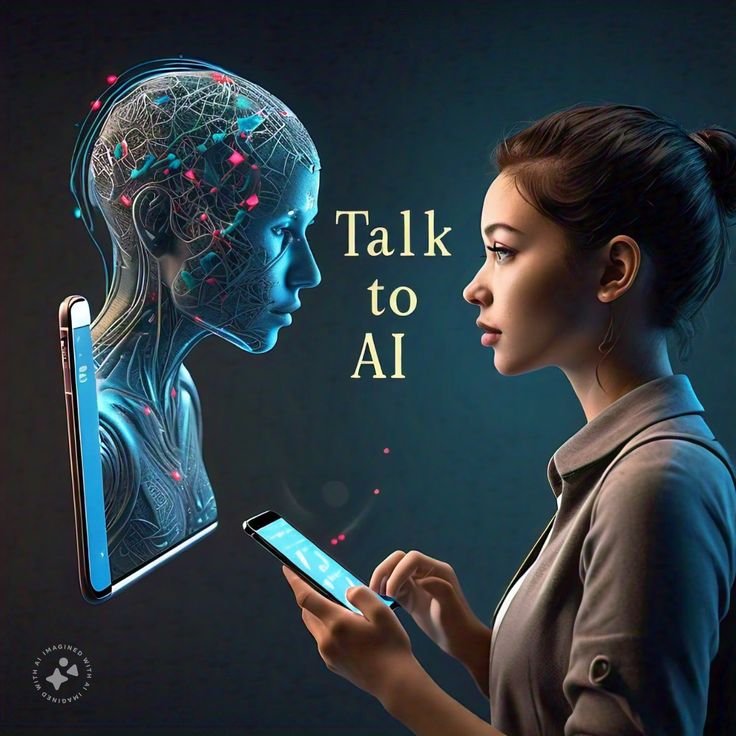
Human-AI Collaboration

Artificial Intelligence, cybersecurity, Educational Technology, Technology

The Rise of Personal AI Assistants: Beyond Chatbots

The Rise of Personal AI Assistants: Beyond Chatbots Artificial Intelligence has rapidly evolved over the last few years, moving far beyond simple chatbots that could only answer basic questions or follow scripted commands. In 2026, personal AI assistants are becoming smarter, more personalized, and significantly more capable than ever before. They are no longer limited to responding to text prompts; instead, they are transforming into intelligent digital companions that can understand user preferences, manage tasks, automate workflows, and even make recommendations based on individual needs. From helping professionals manage their schedules to assisting students with learning and supporting businesses with daily operations, personal AI assistants are becoming an integral part of modern life. As advancements in machine learning, natural language processing, and generative AI continue to accelerate, these assistants are reshaping the way people interact with technology. Understanding the Evolution of AI Assistants The first generation of AI assistants focused primarily on basic voice commands and simple information retrieval. Users could ask for weather updates, set reminders, or search the internet. While these features were useful, the assistants often struggled with context, personalization, and complex requests. Today’s AI assistants are vastly different. They can understand conversations, remember preferences, learn from user interactions, and provide more meaningful responses. Modern AI systems are capable of handling multiple tasks simultaneously, analyzing data, generating content, and assisting with decision-making. This evolution has transformed AI assistants from reactive tools into proactive digital partners that can anticipate user needs and provide relevant support before being asked. What Makes Modern AI Assistants Different? The biggest difference between traditional chatbots and modern AI assistants is personalization. Instead of treating every interaction as a separate conversation, advanced AI assistants build contextual understanding over time. They can remember preferred writing styles, frequently used applications, work schedules, and personal interests. This enables them to deliver responses and recommendations that feel more relevant and tailored to individual users. For example, an AI assistant helping a marketing professional might automatically suggest content ideas based on industry trends, schedule social media posts, and summarize important emails. Meanwhile, a student using the same assistant may receive personalized study plans, learning resources, and exam preparation support. The ability to adapt to individual needs is making AI assistants significantly more valuable across different use cases. The Shift from Chat to Action One of the most important developments in personal AI technology is the transition from conversation-based assistance to action-based assistance. Modern AI assistants are increasingly capable of performing tasks instead of merely providing instructions. Rather than explaining how to complete a process, they can often execute portions of the workflow directly. Examples include: Scheduling meetings automatically Managing emails Organizing files and documents Generating reports Creating presentations Drafting content Tracking project deadlines Managing customer interactions This shift allows users to focus on higher-value work while routine tasks are handled by AI systems. As integration with software platforms continues to improve, AI assistants are becoming capable of interacting with multiple applications simultaneously, creating seamless digital workflows. Personalized Productivity and Time Management Productivity is one of the areas where personal AI assistants are creating the greatest impact. Modern professionals often deal with information overload, endless notifications, and growing workloads. AI assistants help reduce this burden by organizing information and prioritizing tasks. Instead of manually reviewing hundreds of emails, users can receive AI-generated summaries highlighting only the most important messages. Meeting transcripts can be automatically generated and converted into actionable tasks. Calendar management can be optimized based on priorities and availability. These capabilities allow individuals to spend less time managing work and more time focusing on meaningful activities. As AI becomes more context-aware, productivity assistance will become increasingly proactive, helping users identify opportunities, risks, and deadlines before they become problems. AI Assistants in Education Education is another sector experiencing significant transformation through personal AI assistants. Students can now access personalized tutoring experiences that adapt to their learning pace and knowledge level. AI assistants can explain difficult concepts, generate practice questions, create study schedules, and provide instant feedback. Unlike traditional learning resources, AI-powered educational tools can adjust their teaching methods based on student performance. If a learner struggles with a specific topic, the assistant can provide additional explanations and targeted exercises. Teachers are also benefiting from AI technology. Administrative tasks such as grading, lesson planning, and content creation can be streamlined, allowing educators to spend more time supporting students. As educational AI systems continue to improve, personalized learning experiences are expected to become more accessible worldwide. The Role of AI Assistants in Business Businesses are increasingly deploying AI assistants to improve efficiency and reduce operational costs. Customer support teams use AI assistants to handle routine inquiries, allowing human agents to focus on more complex issues. Sales teams leverage AI to analyze customer behavior, generate leads, and personalize communication. Project managers benefit from AI-generated status reports, automated documentation, and workflow tracking. Human resources departments use AI assistants for recruitment support, employee onboarding, and internal communication. The growing ability of AI systems to interact with enterprise software platforms is enabling organizations to automate processes that previously required significant human effort. As a result, businesses can improve productivity while maintaining a high level of service quality. The Emergence of AI Agents A major trend driving the future of personal AI assistants is the rise of AI agents. Unlike traditional assistants that respond only when prompted, AI agents can independently perform tasks, monitor objectives, and take action within defined boundaries. For example, an AI agent might: Monitor market trends Track project progress Analyze customer feedback Generate reports automatically Schedule follow-up actions Coordinate multiple software tools These capabilities represent a significant step toward autonomous digital assistants capable of managing entire workflows. While human oversight remains essential, AI agents are increasingly functioning as virtual team members rather than simple software tools. Privacy and Data Security Challenges As AI assistants become more personalized, concerns regarding privacy and data security are becoming increasingly important. Personalized experiences require access to user information, including schedules, preferences, communication history, and behavioral patterns.

Technology

Revolution in Technology in the Last 15 Years

Introduction The past 15 years have witnessed an unprecedented revolution in technology, impacting nearly every aspect of modern life. From communication and transportation to healthcare and entertainment, developments in digital tools and systems have reshaped our daily experiences and transformed industries around the globe. Key Technological Advancements (2010–2025) 1. Rise of Smartphones and 5G Networks Smartphones have become faster, smarter, and more integral to our lives, serving as cameras, computers, and entertainment systems in our pockets. The rollout of 4G, followed by 5G, enabled lightning-fast internet connectivity, seamless video streaming, and real-time gaming experiences on mobile devices. 2. Artificial Intelligence (AI) and Machine Learning AI-powered tools permeate everything from virtual assistants (Siri, Alexa) to image recognition, language translation, and autonomous robots. AI’s influence expanded in areas such as healthcare diagnostics, self-driving cars, and smart home technology. 3. Electric and Autonomous Vehicles Electric vehicles (EVs) went mainstream, with increasing sales and wider adoption in many countries. The development and testing of autonomous (self-driving) cars are transforming the future of personal and public transport. 4. Cloud Computing & Remote Collaboration Cloud technology allowed businesses and individuals to access, store, and share data from anywhere, fueling the rise of remote work and collaboration. Platforms like Office 365, Google Drive, and Zoom became essential, especially during the pandemic years. 5. Social Media & Digital Transformation Social networks (Facebook, Instagram, X, TikTok) fundamentally changed personal connection, business marketing, and news consumption. Digital payments and e-commerce experienced explosive growth, digitizing transactions and consumer habits. 6. Wearables, AR/VR, and IoT Smartwatches, fitness trackers, and wearables transformed personal health and productivity. Augmented reality (AR) and virtual reality (VR) evolved, offering new dimensions in gaming, design, and education. The Internet of Things (IoT) interconnected devices, appliances, and infrastructure, enabling smart homes and cities. 7. Blockchain and Cryptocurrencies Blockchain technology, initially associated with cryptocurrencies, began to revolutionize finance, supply chains, and digital identity management. Secure, decentralized records brought new possibilities for transparency, trust, and innovation. 8. 3D Printing and Manufacturing Innovations 3D printing moved from prototyping to mainstream manufacturing, enabling custom products, medical devices, implants, and more. Rapid design iterations and on-demand production became possible in industries such as healthcare and automotive. 9. Advances in Healthcare Technology Telemedicine, wearable health monitors, and digital health records improved care accessibility and patient outcomes. AI-powered diagnostics and personalized medicine are driving breakthroughs in disease prevention and treatment. 10. Sustainability and Green Tech Renewable energy technologies, especially solar panels and wind turbines, have made significant progress. Smart grids, energy storage solutions, and green transportation are helping address climate change and promote sustainability. Societal and Economic Impact Productivity: Technology enhanced business efficiency, enabling rapid innovation across sectors. Workforce: Automation and AI shifted job roles, making digital skills and adaptability more valuable. Society: Digital access expanded globally, but also highlighted challenges like the digital divide and data privacy concerns. Looking Ahead: What’s Next? Quantum computing is emerging as a frontier that could solve previously impossible problems in science and logistics. Convergence of technologies (AI, IoT, edge computing) promises smarter, more connected environments. Conclusion The past 15 years represent a defining chapter in the history of technology, marked by rapid change and continuous innovation. These breakthroughs have extended human capabilities, improved quality of life, and will continue to shape our future in ways we are only beginning to imagine.

Graphic Designing, Technology

Graphic Designing in the AI World: Creativity Meets Automation

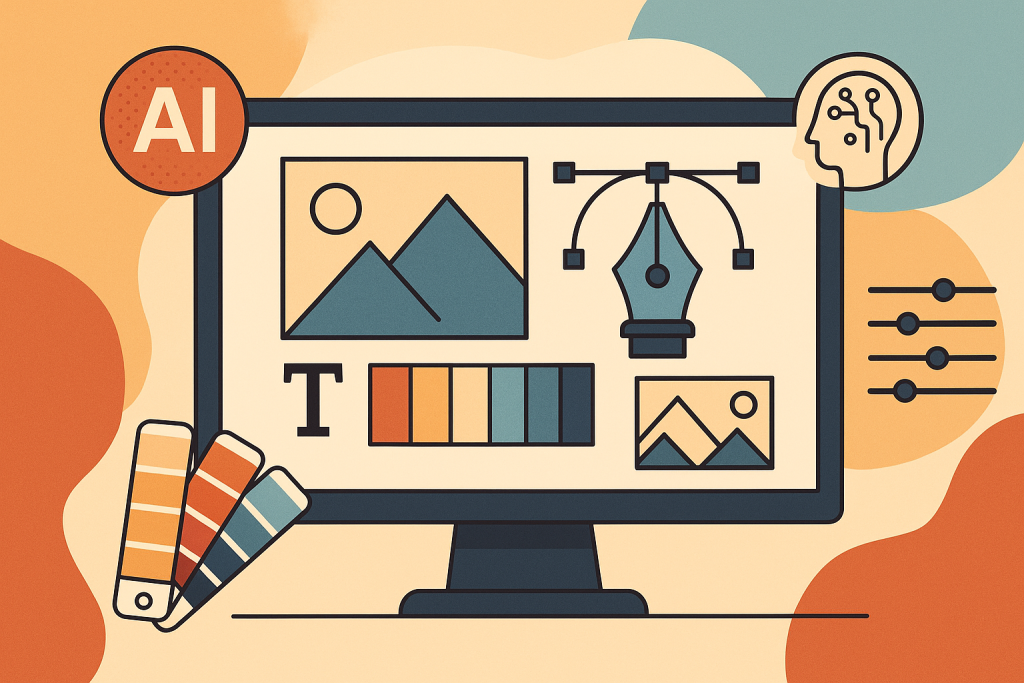
Graphic Designing in the AI World: Creativity Meets Automation Introduction In the rapidly evolving landscape of technology, Artificial Intelligence (AI) is redefining industries, and graphic design is at the forefront of this transformation. Once a domain driven solely by human creativity, graphic design now embraces a synergy of human imagination and AI-driven automation. From generating stunning visuals in seconds to personalizing designs at scale, AI is reshaping how designers work. This blog dives into the profound impact of AI on graphic design, explores the evolving role of designers, and highlights how creativity and automation can coexist to produce innovative, impactful designs. How AI is Transforming Graphic Design AI is revolutionizing graphic design by introducing tools and processes that enhance efficiency and creativity. Here’s how AI is making its mark: Content Co-Creation: Tools like Adobe Firefly, DALL·E, and Canva’s AI features allow designers to collaborate with algorithms, generating initial drafts or variations based on text prompts or design inputs. Personalization at Scale: AI analyzes user data—such as preferences, behaviors, and demographics—to create tailored visuals for marketing campaigns, websites, and social media. Data-Driven Design Suggestions: AI evaluates trends and performance metrics to suggest layouts, color schemes, and typography that resonate with target audiences. Accessibility Enhancements: AI tools recommend inclusive design elements, such as high-contrast color palettes and alt texts, making designs accessible to diverse audiences. Infographic: AI Tools in Graphic Design Image Description: A clean, modern infographic with a tech-inspired design. It features a circular layout with icons representing popular AI tools (e.g., Adobe Firefly, DALL·E, Canva AI). Each icon is connected to a brief description of the tool’s key feature, set against a white background with accents of teal and orange. A central heading reads “AI Tools Powering Design” in bold sans-serif font. Caption: A snapshot of leading AI tools transforming graphic design workflows. Top Benefits of AI in Graphic Designing AI is not just a trend—it’s a game-changer for designers. Below are the key advantages reshaping the industry: Speeds Up Design Workflows: AI automates repetitive tasks like resizing images or generating mockups, allowing designers to focus on high-level creative work. Reduces Repetitive Tasks: Tools like Runway ML and Khroma handle mundane tasks such as background removal or color palette generation, saving hours of manual effort. Enhances Creative Brainstorming: AI generates multiple design variations, sparking inspiration and helping designers explore new creative directions. Supports Real-Time Adjustments: AI-powered platforms enable instant tweaks to layouts, fonts, or colors, streamlining the feedback and revision process. Chart: Time Saved with AI in Design Workflows Image Description: A bar chart with a sleek, minimalist design. The x-axis lists design tasks (e.g., Image Resizing, Background Removal, Mockup Creation), and the y-axis shows hours saved. Each bar is filled with a gradient of blue to green, set against a dark background for contrast. A title at the top reads “Time Saved with AI Tools” in white, bold text. Caption: AI tools significantly reduce time spent on repetitive design tasks. What AI Can’t Replace While AI is a powerful ally, it cannot replicate the human touch that defines exceptional graphic design. Here’s what remains uniquely human: Emotional Intelligence: Humans understand cultural nuances, emotions, and context, enabling them to craft designs that resonate deeply with audiences. Storytelling: Effective design tells a story, weaving brand narratives that AI struggles to replicate authentically. Brand Consistency: Human designers ensure designs align with a brand’s identity, values, and long-term vision, a task that requires intuition and strategic thinking. Empathy: Understanding user needs and creating designs that evoke trust and connection is a distinctly human skill. AI may generate visually appealing options, but it’s the designer’s ability to infuse meaning and purpose that elevates a project from good to unforgettable. The Future Role of Graphic Designers As AI continues to shape the industry, the role of graphic designers is evolving. Rather than being replaced, designers are adapting to new responsibilities: Creative Directors of AI Outputs: Designers oversee AI-generated content, refining and curating outputs to align with project goals. Prompt Engineers for AI Tools: Crafting precise prompts for AI art generators like DALL·E or MidJourney is becoming a critical skill. Strategists for Storytelling and Empathy: Designers focus on high-level strategy, ensuring designs connect emotionally with audiences and align with brand narratives.   Challenges of Integrating AI into Graphic Design While AI offers immense potential, it also presents challenges: Learning Curve: Designers must learn to use AI tools effectively, which can be time-consuming initially. Over-Reliance on Automation: Excessive dependence on AI may stifle originality, leading to generic designs. Ethical Concerns: Issues like copyright infringement and the ethical use of AI-generated content are still being navigated. Balancing Creativity and Efficiency: Designers must ensure AI enhances, rather than overshadows, their creative process. By addressing these challenges, designers can harness AI’s power while maintaining their unique creative voice. Conclusion Graphic designing in the AI world is a dynamic blend of human creativity and technological innovation. AI tools like Adobe Firefly, DALL·E, and Canva empower designers to work faster, explore bold ideas, and deliver personalized, accessible designs. However, the heart of design—storytelling, empathy, and cultural awareness—remains a human domain. The future belongs to designers who embrace AI as a creative partner, leveraging its capabilities to amplify their vision. By blending creativity with automation, graphic designers can push boundaries, create impactful visuals, and shape the future of design. Frequently Asked Questions (FAQs) Will AI replace graphic designers? No, AI serves as a tool to assist designers, enhancing efficiency but not replacing the human creativity, emotional intelligence, and strategic thinking essential to design. What are the best AI tools for graphic designers? Popular AI tools include Adobe Firefly, DALL·E, Canva AI, Runway ML, and Khroma, each offering unique features for design automation and inspiration. Is it necessary to learn AI as a graphic designer? While not mandatory, learning AI tools can significantly enhance your skillset, streamline workflows, and make you more competitive in the industry. How is AI improving accessibility in graphic design? AI suggests accessible design elements, such as high-contrast color

Scroll to Top