Healthcare Automation

Artificial Intelligence, Healthcare & Fitness, Technology & Innovation

AI Use Cases in Healthcare

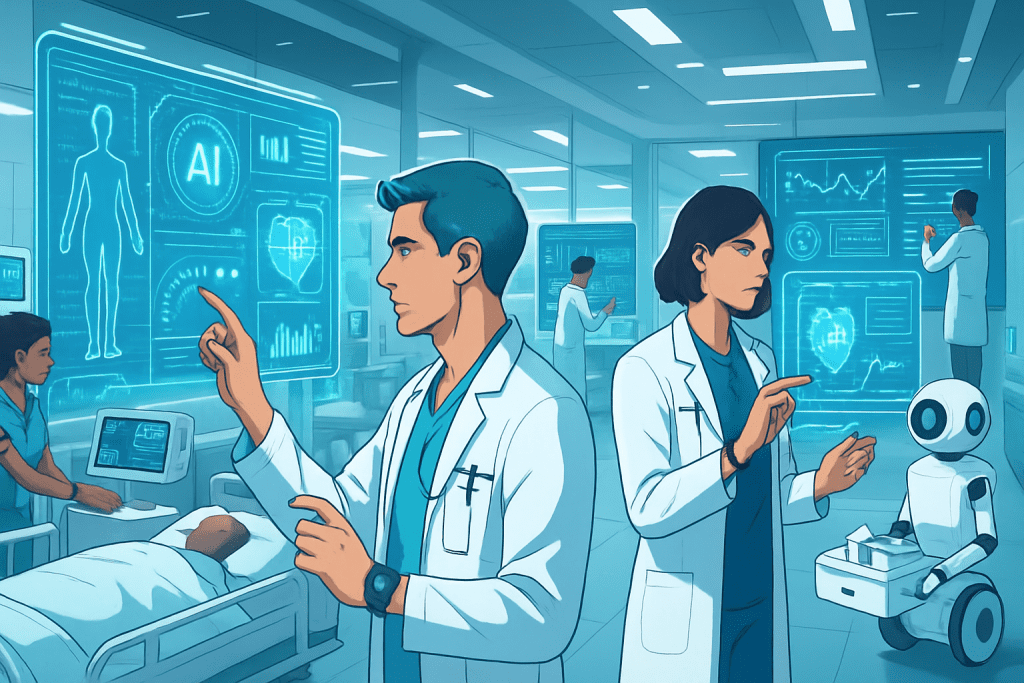
AI Use Cases in Healthcare: The Practical Blueprint for Clinical and Operational Excellence (2026) The healthcare sector has transcended basic digital record-keeping and entered the age of autonomous intelligence. Today, integrating Artificial Intelligence (AI) into healthcare systems is no longer a speculative technology play; it is a fundamental strategy for survival. Hospitals, clinics, and pharmaceutical enterprises face unprecedented challenges: severe clinician burnout, skyrocketing operational overhead, and a massive surge in unstructured patient data. When properly architected, AI workflow automation transforms this burden into an asset. By handing high-volume data parsing, clinical documentation, and predictive diagnostics over to specialized AI models, healthcare organizations can return clinicians to their primary calling—direct, high-quality patient care. This comprehensive guide details the highest-ROI use cases for AI in modern healthcare ecosystems, providing an implementation framework optimized for compliance, security, and clinical efficacy. 1. The Core Philosophy of Healthcare AI Automation Deploying AI in a medical context requires a fundamentally different philosophy than automating standard corporate workflows. In a traditional corporate setting, a 2% error rate from an AI model might mean minor data cleanup. In healthcare, a 2% error rate can result in catastrophic clinical outcomes. Therefore, modern healthcare AI systems are built on a framework of augmented intelligence. The goal is never to replace human medical judgment, but to eliminate the administrative and analytical friction that isolates clinicians from their patients. +———————————————————————–+ | THE HEALTHCARE AI PARADIGM | +———————————————————————–+ | RAW DATA INGESTION | HUMAN-IN-THE-LOOP (HITL) | | “Heavy Analytical Lifting” | “Ultimate Clinical Authority” | | • Ambient voice transcription | • Physician reviews drafted charts | | • Cross-referencing lab data | • Radiologist signs off on anomalies | | • Parsing historical patterns | • Care manager approves interventions | +———————————————————————–+ By enforcing a strict Human-in-the-Loop (HITL) protocol, medical enterprises can deploy probabilistic large language models (LLMs) and deterministic computer vision algorithms safely, ensuring that final diagnostic, therapeutic, and administrative actions are always validated by licensed professionals. 2. High-Impact Clinical Use Cases Clinical workflows are notoriously bottlenecked by manual administrative tasks and data fragmentation. Implementing targeted AI pipelines directly relieves these pain points across multiple clinical disciplines. A. Ambient Clinical Documentation and Charting The Friction Point: Physicians routinely spend up to two hours entering electronic health record (EHR) data for every single hour spent face-to-face with a patient, driving historic industry burnout. The AI Automation Solution: Ambient AI scribes utilize low-latency, medical-grade speech-to-text engines to listen natively to patient-doctor conversations. The system filters out casual small talk, structures the relevant clinical insights, and automatically populates a comprehensive SOAP (Subjective, Objective, Assessment, and Plan) note inside the EHR system. The physician simply reviews, edits, and signs off on the note, shrinking documentation time by over 60%. B. Intelligent Diagnostic Imaging Pipelines The Friction Point: Radiologists face an overwhelming volume of complex scans (CT, MRI, X-ray), leading to diagnostic delays and fatigue-induced oversight of minute anomalies. The AI Automation Solution: Specialized computer vision models act as an automated first-line triage system. As scans are completed, the AI automatically pre-screens the imagery to flag critical conditions like acute intracranial hemorrhages, pulmonary embolisms, or early-stage tumors. The pipeline automatically escalates high-risk cases to the top of the radiologist’s reading queue, appending bounding boxes and statistical heatmaps over anomalous tissues to accelerate diagnostic accuracy. C. Predictive Analytics for Patient Deterioration The Friction Point: Acute hospital wards must constantly monitor patients to catch sudden physiological declines before they escalate into cardiac arrest or septic shock. The AI Automation Solution: Predictive AI models continuously stream real-time data from ICU monitors, lab results, and nursing logs. By recognizing subtle, multi-variable patterns that human eyes might miss—such as a specific, concurrent fluctuation in heart rate, oxygen saturation, and white blood cell counts—the system calculates an automated “deterioration risk score.” It automatically triggers early-warning alerts to the floor nursing station hours before a code blue event occurs. 3. Operational and Administrative Transformation A hospital’s operational infrastructure is incredibly complex. Managing revenue cycles, scheduling resources, and matching staffing requirements directly impact an institution’s financial stability and capacity to deliver care. [Inbound Patient Intake] —> [AI Revenue Cycle Automation] —> [Optimized Payer Reimbursement] A. Automated Prior Authorization and Revenue Cycle Management (RCM) The Friction Point: The prior authorization process is manual, tedious, and prone to insurance company denials, delaying vital patient treatments. The AI Automation Solution: When a physician orders a complex procedure, an enterprise AI agent automatically extracts the patient’s historical chart notes, pairs them with the required medical coding, and cross-references them against the insurance payer’s specific medical necessity criteria. The AI automatically compiles, formats, and submits the prior authorization bundle via electronic clearinghouses, reducing approval cycles from weeks to minutes. B. Predictive Inpatient Capacity and Staffing Optimization The Friction Point: Managing emergency department (ED) surges and inpatient bed availability typically relies on historical guesswork, leading to understaffed shifts or costly over-scheduling. The AI Automation Solution: Machine learning models ingest historical admission data, regional epidemiological tracking, local weather forecasts, and community event schedules to predict emergency department inflow up to 72 hours in advance. The operational workflow automatically outputs recommended nurse-to-patient staffing configurations and projects bed clearance times, maximizing hospital throughput and minimizing patient wait times. 4. Selecting the Core AI Infrastructure Stack for Healthcare Building a medical AI pipeline requires selecting model ecosystems that provide elite reasoning capabilities, highly specialized training sets, and ironclad enterprise security arrangements. Capability / Requirement OpenAI Enterprise (via Azure) Anthropic (Claude via AWS Bedrock) Google Cloud (Gemini & MedLM via Vertex AI) Primary Healthcare Strength Fast conversational APIs for patient intake and ambient voice systems. Exceptionally detailed, nuanced parsing of complex, unstructured clinical charts. Specialized, medical-native model architectures (Med-PaLM 2 / MedLM) out of the box. Compliance Infrastructure SOC 2 / HIPAA BAA via Microsoft Azure environment. Enterprise data isolation and safety guardrails through AWS. Highly secure Google Cloud healthcare data engines with deep regional compliance. Best Analytical Use Case Interactive telehealth assistants and real-time transcription. Legal/Regulatory audit compliance and complex clinical research parsing.

Healthcare & Fitness

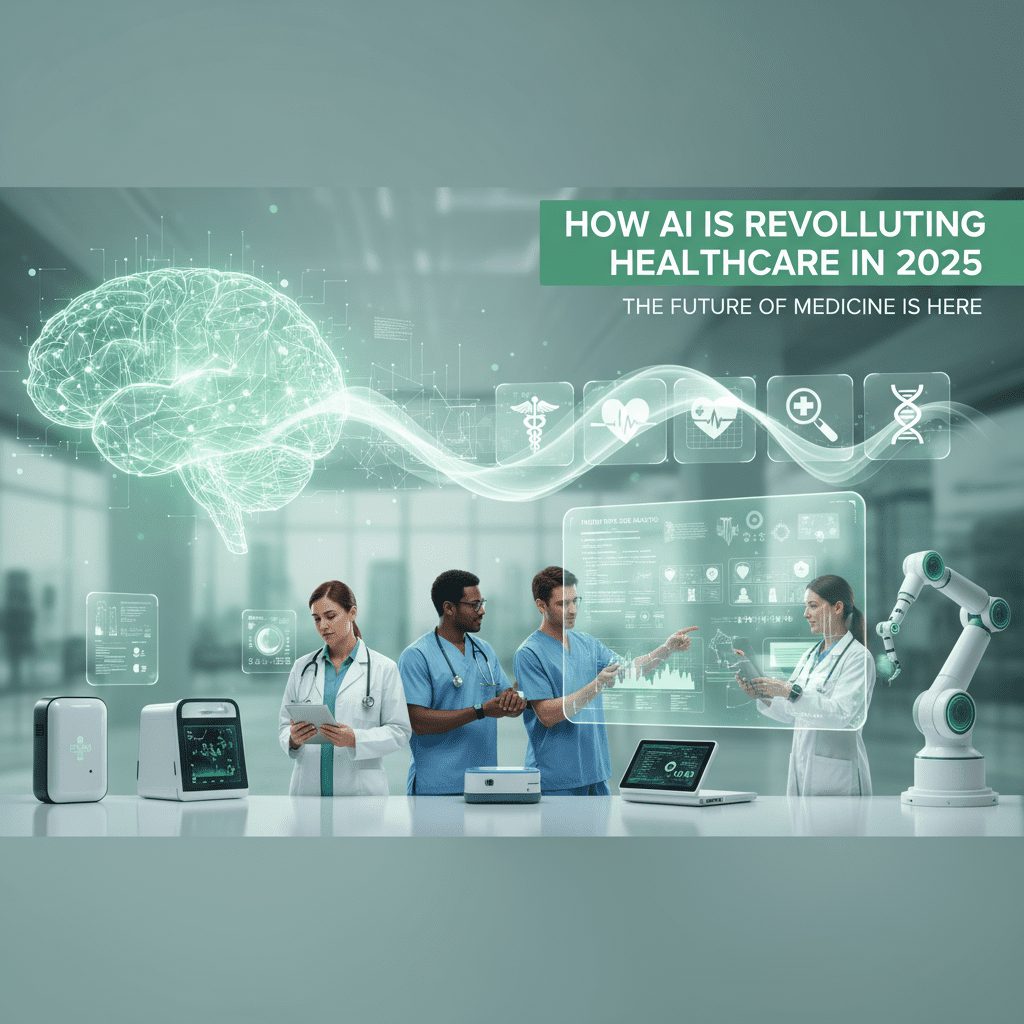
How AI is Revolutionizing Healthcare in 2025

Introduction Artificial Intelligence is ushering in a new era of healthcare in 2025—boosting patient outcomes, accelerating innovation, and making care more precise and accessible than ever before. Here’s how AI is shaping the future of medicine across the globe. Smarter, Faster Diagnostics AI-Powered Medical Imaging: AI now analyzes X-rays, MRIs, and CT scans to detect anomalies like tumors, fractures, and infections faster and more accurately than ever. Early cancer and rare disease detection have been dramatically improved, with error rates and costs dropping significantly. Predictive Diagnostics: AI uses data from patient histories, genetics, and wearables to anticipate the risk of diseases before symptoms occur, allowing for preventative care strategies—especially effective for chronic conditions like heart disease and diabetes. Next-Gen Treatment: Personalized Medicine Precision Treatments: AI integrates genetic, lifestyle, and clinical data to tailor therapies for individuals, especially in oncology and rare diseases, optimizing outcomes and reducing side effects. Genomics and Profiling: Advanced AI systems rapidly interpret genomic data, enabling real-time profiling during surgeries and predicting individual responses to therapies, revolutionizing cancer and rare disease management. Remote Care & Virtual Health Assistants Wearable Monitoring: AI-powered devices track real-time vital signs, alerting both patients and clinicians to potential health issues before they escalate. Hospital-at-home models reduce readmissions and improve quality of life. 24/7 Virtual Support: Chatbots and AI-driven apps now answer medical questions, schedule appointments, provide medication reminders, and triage patients, all while reducing the workload of clinicians. AI in Clinical Decision-Making Real-time Decision Support: AI gives doctors evidence-based recommendations at the point of care by synthesizing global research, treatment guidelines, and patient information. This augments physician expertise, increases diagnostic accuracy, and improves confidence in treatment decisions. Automating Admin Tasks: Intelligent agents automate medical documentation, billing, and coding. This lightens the administrative load and allows clinicians to spend more time with patients. Accelerating Medical Research & Drug Discovery Drug Development: AI can sift through millions of molecules, predict interactions, and simulate clinical trials—speeding up drug discovery, lowering development costs, and quickly identifying optimal candidates for new treatments. Clinical Trials Optimization: By analyzing records and finding ideal trial participants, AI makes trials safer and more effective, accelerating new therapies to market. Enhancing Equity and Population Health Addressing Social Determinants: AI analyzes socioeconomic data alongside health records to identify at-risk populations, close care gaps, and optimize resource allocation—paving the way for fairer, more accessible healthcare. Global Reach: AI extends expertise to remote areas, bridging geographic gaps and allowing global collaboration in tackling public health challenges. Robotic Surgery and Assisted Procedures Greater Precision: Robotic systems powered by AI help surgeons perform complex operations with greater dexterity and accuracy, resulting in fewer complications and quicker recovery times for patients. Impact at a Glance Area AI-Driven Transformation Example/Impact Diagnostics More accurate, earlier detection AI finds tumors in scans invisible to the eye Personalized Care Tailored therapies, reduced side effects Precision oncology; rare disease management Patient Monitoring Continuous data analysis, proactive alerts Wearables detect heart issues before symptoms Administration Automated records and workflows Less clinician burnout, more patient care Research Faster drug discovery, smarter trials Shortened time to new treatments Access & Equity AI bridges gaps for rural or vulnerable groups Virtual care reaches more patients Challenges and the Road Ahead Ethics & Trust: Ensuring privacy, reducing bias, and building transparent, explainable AI remain priorities as adoption expands. Human-AI Partnership: AI isn’t replacing medical professionals but empowering them—successful healthcare systems will be those that blend human empathy with machine intelligence. Scalability: With 90% of hospitals expected to use AI by 2025, broad access and workforce training are key for sustaining progress. AI’s transformative role in healthcare is just beginning. As these technologies advance, expect faster diagnoses, more personalized care, and a health system that’s smarter, fairer, and more responsive to the needs of all. The revolution is well underway—and in 2025, AI is making healthcare better, one patient at a time.

Healthcare & Fitness

Cloud Infrastructure and DevOps in Healthcare Apps

Introduction The intersection of cloud infrastructure and DevOps is revolutionizing how healthcare applications are built, deployed, and maintained, making healthcare systems more agile, compliant, and patient-centered. These advances empower providers to store vast amounts of sensitive data securely, deliver real-time services to patients worldwide, and quickly innovate in response to emerging needs and regulatory guidelines. Explore how AI-powered healthcare applications are transforming patient experiences and operations—see more on cloud-based AI services and their integration journey. The Role of Cloud Infrastructure in Healthcare Apps Scalability and Flexibility Cloud platforms such as AWS, Azure, and Google Cloud enable healthcare organizations to scale resources up or down dynamically, adapting to fluctuating workloads, seasonal spikes, or pandemic-driven surges in demand. This elasticity is essential for electronic health records (EHR), big data analytics, telemedicine, and remote monitoring applications. Multicloud and hybrid architectures are gaining traction, allowing seamless integration to meet stringent compliance needs and local storage guidelines. Private clouds cater to high-security environments such as large hospitals and research institutions, while public clouds efficiently handle analytics, appointments, and remote care. For a detailed breakdown of cloud-driven innovation in healthcare, visit TechOTD’s main blog. Secure Data Storage and Compliance Sensitive medical data demands the highest levels of security and compliance. Cloud vendors offer HIPAA- and GDPR-compliant solutions that maintain data privacy, encryption, and integrity. End-to-end encryption, auditing, and identity management are embedded in modern cloud services. Automated backups and disaster recovery protocols minimize downtime and data loss. To understand how TechOTD addresses privacy and compliance in healthcare, see the Privacy & Cookies policy. Accelerating Digital Health with AI and Analytics Cloud infrastructure empowers healthcare organizations to leverage advanced AI, machine learning, and predictive analytics. Key applications include: Standardizing precision diagnostics with massive image datasets, Predicting patient risks using trend analysis and real-time telemetry, Automating administrative documentation with NLP engines. Discover feature-rich use cases in predictive analytics on TechOTD’s dedicated analytics page. Enabling Telehealth and Remote Patient Monitoring The adoption of telemedicine surged during the COVID-19 pandemic, with cloud platforms facilitating: Real-time video consultations, Remote patient monitoring using IoT wearables, Synchronous data sharing among care teams. Integration details for mobile healthcare solutions are documented in TechOTD’s mobile app services section. DevOps: The Engine of Continuous Healthcare Innovation What Is DevOps in Healthcare? DevOps combines software development (Dev) and IT operations (Ops) to foster automation, collaboration, and rapid deployments. In healthcare, this approach: Shortens application release cycles, Ensures continuous integration and delivery (CI/CD), Facilitates ongoing feedback and quality improvements. Explore practical examples of workflow optimization on the TechOTD blog. Key Benefits of DevOps for Healthcare Faster Time to Market Automates deployments, enabling rapid roll-out of new features and critical patches. Provides a competitive edge in launching telehealth and AI-driven apps. Improved Patient Outcomes Supports continuous monitoring and rapid issue resolution, which enhances clinical reliability and patient trust. Real-time data analytics drive timely decisions at the point of care. Security and Compliance Implements DevSecOps to integrate security into every phase of the application lifecycle. Ensures adherence to sector-specific regulations (HIPAA, GDPR, etc.) using automated compliance checks. See TechOTD’s structured approach to secure software on their How We Work page. Cost and Resource Efficiency Applies Infrastructure as Code (IaC) principles, minimizing manual tasks and human error. Optimizes cloud spend by enabling demand-driven resource allocation. Case studies on cost savings and operational improvements can be found in TechOTD’s blog industry section. AI and Predictive Analytics Support Maintains stable environments for AI/ML-powered healthcare applications. Accelerates the development of smart diagnostics, triaging, and personalized medicine. For examples of large language models in regulated sectors, see LLMs in Finance. Implementing Cloud and DevOps for Healthcare Apps: A Step-by-Step Roadmap 1. Assess Business Needs and Regulatory Requirements Conduct a deep analysis of the existing tech ecosystem and compliance landscape. Evaluate suitability for cloud migration and DevOps adoption. Explore a real-world blueprint on TechOTD’s services overview. 2. Data Strategy and Cloud Architecture Selection Identify sensitive and non-sensitive datasets. Choose optimal cloud deployment models: public, private, hybrid, or multicloud. 3. Develop Secure, Scalable Applications Using DevOps Practices Implement CI/CD pipelines for all healthcare modules: EHRs, billing, telemedicine, and connected health IoT solutions. Automate testing, code reviews, and compliance checks to guarantee quality and security. 4. Integrate AI, Analytics, and Automation Leverage cloud APIs and frameworks for real-time analytics, predictive insights, and automated workflows. Explore how AI supports preventive care and operational efficiency in TechOTD’s AI service models. 5. Continuous Monitoring, Maintenance, and Support Use cloud-based monitoring tools (e.g., Grafana, Azure Monitor) for uptime, performance, and security event tracking. Establish mechanisms for ongoing maintenance, data retraining, and customer support. For workflow strategies, check out customer journey mapping with AI. Emerging Trends and Future Directions AI-Powered Healthcare and Predictive Care Increasing adoption of generative AI, chatbots for patient triage, and risk stratification tools. Integration of real-time wearable IoT data with cloud-hosted analytics engines. Get a comprehensive review of technology trends in healthcare and beyond at TechOTD’s blog. Blockchain Integration for Secure Health Data Blockchain ensures transparent, immutable transaction logging, critical for audit trails in clinical trials, medication administration, and consent management. Find an in-depth analysis at TechOTD’s blockchain blog post. Regulatory Evolution and Interoperability Ongoing standards development for seamless data exchange (HL7 FHIR, DICOM) and international interoperability. Enhanced focus on privacy-preserving machine learning and federated learning architectures. Challenges in Cloud and DevOps Adoption Legacy systems and data silos limiting seamless migration. Addressing complex multi-region compliance and data residency requirements. Upfront investments in talent, training, and DevOps/Cloud tooling. Best practices, pitfalls, and CRM integration insights can be found at TechOTD’s mobile app frameworks guide. Conclusion: Cloud and DevOps as Healthcare’s Innovation Backbone The synergy of cloud infrastructure and DevOps is shaping a future where healthcare is more agile, resilient, and patient-focused than ever before. With ongoing advancements in AI, predictive analytics, and compliance automation, healthcare providers are set to deliver faster, more effective, and more personalized care. For more guidance, industry news, and in-depth resources, visit: Privacy & AI Solutions TechOTD Blog Home How We Work at TechOTD Predictive Analytics Features Mobile Application Services Advanced Industry Insights Customer-Centric AI Journeys LLMs in Finance Use Cases Technology for Modern Education Gadgets for

Healthcare & Fitness

Smart Hospitals: Revolutionizing Healthcare Operations with Modern Technology

Introduction Healthcare is undergoing a digital revolution, and at the center of this transformation are Smart Hospitals. With the integration of technologies like IoT (Internet of Things), AI, Big Data, Cloud Computing, and Blockchain, hospitals are no longer just physical spaces for treatment — they are evolving into intelligent ecosystems that provide seamless care, improved efficiency, and enhanced patient outcomes. In this blog, we’ll explore how smart hospitals are redefining healthcare operations, their key technologies, benefits, challenges, and future opportunities. What Are Smart Hospitals? A Smart Hospital uses modern digital technologies to optimize operations, enhance patient care, and improve decision-making. Unlike traditional hospitals, which rely heavily on manual processes, smart hospitals employ connected devices, automated systems, predictive analytics, and AI-driven decision-making to deliver data-powered healthcare solutions. These hospitals are not only focused on clinical improvements but also on operational efficiency, patient experience, and cost reduction. Key Technologies Powering Smart Hospitals The smart hospital ecosystem is built upon several transformative technologies: 1. IoT (Internet of Things) IoT connects medical devices, wearables, and hospital equipment, enabling real-time patient monitoring and automated data collection. For example, wearable devices can track patient vitals and immediately alert doctors in case of anomalies. Learn how IoT is reshaping industries in this blog. 2. Artificial Intelligence (AI) AI assists in diagnostics, personalized treatment recommendations, and predictive analytics. From detecting diseases in early stages to streamlining hospital workflows, AI is the backbone of smart hospitals. Explore how AI enhances service excellence in this article. 3. Electronic Health Records (EHRs) and Cloud Computing Cloud-based EHR systems ensure seamless data sharing among healthcare professionals, allowing for collaborative care and better treatment decisions. For more insights into AI and data applications, check AI in Finance use cases. 4. Robotics and Automation Robotic surgical systems, automated medication dispensers, and AI-powered diagnostic assistants reduce human error and increase accuracy. 5. Predictive Analytics & Big Data By analyzing historical health data, predictive analytics can anticipate patient needs, optimize staffing schedules, and improve resource allocation. See how predictive analytics is applied in this detailed guide. 6. Blockchain Technology Blockchain ensures secure, tamper-proof medical data sharing across systems, reducing fraud and enhancing patient trust. Benefits of Smart Hospitals Enhanced Patient Care – Real-time monitoring and AI-driven diagnostics improve treatment accuracy. Operational Efficiency – Automation reduces waiting times and optimizes staff workload. Data-Driven Decision Making – Analytics empower healthcare providers to make better choices. Cost Reduction – Preventive care and predictive maintenance reduce unnecessary expenses. Patient Experience – Virtual assistants, telehealth, and mobile health apps provide personalized and convenient care. For example, mobile app solutions for healthcare are already transforming the industry. Learn more about custom development in mobile app services. Challenges in Implementing Smart Hospitals Despite their promise, smart hospitals face several challenges: High Initial Investment – Implementing advanced technologies requires significant funding. Cybersecurity Risks – With massive data flow, hospitals become vulnerable to cyberattacks. Integration Issues – Legacy systems often cannot integrate seamlessly with modern solutions. Staff Training – Healthcare workers need training to adapt to new digital workflows. Regulatory Compliance – Hospitals must follow strict data privacy and healthcare regulations. Use Cases of Smart Hospitals Remote Patient Monitoring – Wearables and connected devices monitor patients beyond hospital walls. Smart Beds – Beds equipped with sensors track patient movement and vitals. AI-Powered Imaging – AI improves the speed and accuracy of CT, MRI, and X-ray scans. Telemedicine Platforms – Virtual consultations allow patients to access specialists remotely. Mobile Health Apps – Patients manage appointments, prescriptions, and records via smartphones. Explore app development strategies in this React Native vs Swift comparison. Future of Smart Hospitals Smart hospitals are expected to evolve further with: 5G-enabled healthcare solutions AI-driven predictive healthcare models Digital twins for personalized treatment Advanced robotics in surgeries Sustainable and green hospital infrastructure The convergence of healthcare with AI, IoT, and mobile apps is creating a new era of precision medicine and patient-centric care. SEO Backlinks Integration Throughout this blog, we have naturally integrated useful links from TechOTD to enhance user experience and provide additional resources: AI-driven insights TechOTD Blog Hub Blockchain in Business Processes How We Work Large Language Models in Finance AI for Customer Journeys Best Gadgets for Programmers Predictive Analytics in Software Development Technology in Education React Native vs Swift Industries Blog Page Mobile App Development Services FAQs About Smart Hospitals 1. What is the meaning of a smart hospital? A smart hospital leverages AI, IoT, cloud computing, and automation to improve patient care and hospital operations. 2. How do smart hospitals improve patient care? By using real-time monitoring, predictive analytics, and AI-based diagnostics, smart hospitals ensure faster and more accurate treatments. 3. Are smart hospitals expensive to build? Yes, the initial setup requires a high investment, but long-term benefits include reduced costs, better efficiency, and improved outcomes. 4. What technologies are most important for smart hospitals? Key technologies include IoT, AI, robotics, blockchain, and cloud-based EHR systems. 5. What is the future of smart hospitals? The future involves 5G, AI-driven personalized medicine, robotic surgeries, and eco-friendly hospital designs. Conclusion Smart hospitals are not just a vision of the future—they are already becoming a reality today. By integrating technologies like AI, IoT, robotics, blockchain, and predictive analytics, they are transforming the way healthcare is delivered. For patients, smart hospitals promise personalized and efficient care. For doctors and staff, they reduce administrative burdens and improve treatment accuracy. And for healthcare providers, they ensure long-term sustainability with reduced costs and optimized resources. As we move forward, hospitals that embrace these technologies will lead the way in providing next-generation healthcare services. The journey towards smart hospitals is challenging, but the rewards in terms of patient outcomes, cost efficiency, and innovation are unparalleled.

Scroll to Top