
Fraud Detection Telecom

telecom

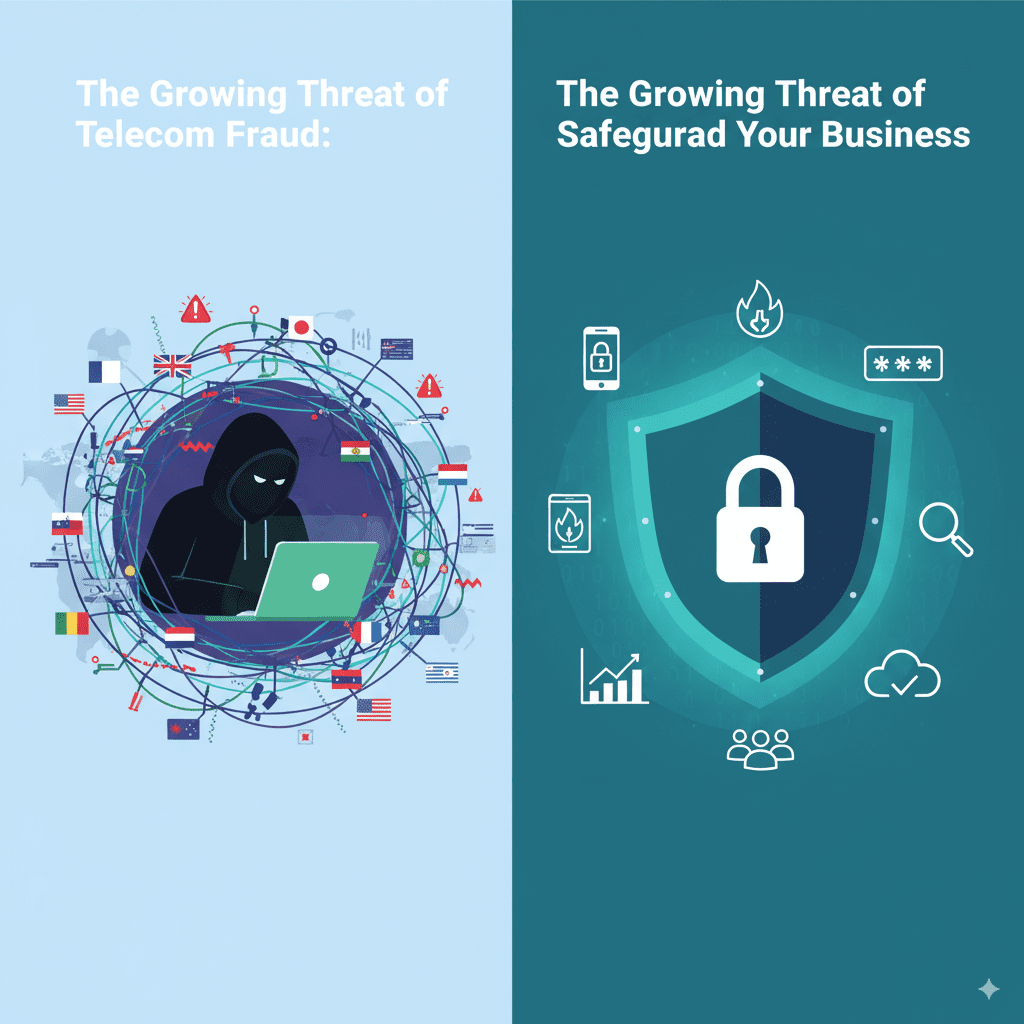
The Growing Threat of Telecom Fraud and How to Safeguard Your Business

Introduction As telecom networks become increasingly vital to global communications and business operations, the threat of telecom fraud has escalated into a pressing concern. Fraudsters exploit vulnerabilities within telecom infrastructures to commit crimes ranging from unauthorized access and identity theft to call and subscription fraud. For businesses relying heavily on telecom services, these fraudulent activities can result in significant financial losses, reputational damage, and regulatory penalties. This blog explores the evolving nature of telecom fraud, common fraud schemes targeting businesses, and robust strategies to safeguard your telecom assets. Leveraging AI-driven security solutions and advanced analytics is becoming indispensable to stay ahead of increasingly sophisticated attacks. For businesses seeking intelligent risk assessment and security planning, TechOTD’s AI services offer transformative solutions tailored to telecom and other industries. Understanding Telecom Fraud: Types and Tactics Telecom fraud continues to evolve with the advent of new technologies like VoIP, 5G, and mobile networks. Common types include: Subscription Fraud: Fraudsters obtain services under false identities, leaving businesses with unpaid bills. Call Forwarding Fraud: Unauthorized redirection of calls to premium rate numbers to exploit call charges. PBX Hacking: Unauthorized access to private branch exchanges, generating fraudulent calls. Refiling and Phishing: Illegitimate use of telecom resources to conduct phishing or refile previous calls to mask origins. SIM Swap Fraud: Hijacking mobile numbers to bypass authentication controls. International Revenue Share Fraud (IRSF): Exploiting international call setups to generate revenue for fraudsters at the operators’ expense. Each scheme targets vulnerabilities in telecom infrastructure, emphasizing the need for proactive defense mechanisms. Business Impacts of Telecom Fraud Financial Losses: Millions lost annually through fraudulent call charges, service theft, and identity compromise. Operational Disruption: Network overloads and compromised services degrade customer experience. Regulatory and Compliance Risks: Failure to protect telecom assets can lead to penalties under data protection laws and industry regulations. Brand Reputation Damage: Customer trust erodes when fraud incidents are publicized. How to Safeguard Your Business Against Telecom Fraud 1. Implement AI-Powered Fraud Detection and Analytics AI systems monitor traffic patterns in real time to detect anomalies that indicate potential fraud. Machine learning models adapt to new fraud behaviors, minimizing false positives and enabling quick action. Learn about predictive analytics enhancing telecom security here: Predictive Analytics Features and Use Cases. 2. Strengthen Identity and Access Management Multi-factor authentication (MFA) for network access, strict user identity verification, and SIM swap detection mechanisms decrease unauthorized entry risk. 3. Secure Network Architecture and Protocols Deploy firewalls, encryption, and secure routing protocols. Regularly update PBX and VoIP systems to patch vulnerabilities. 4. Continuous Monitoring and Incident Response Establish 24/7 network surveillance, combining automated alerts and expert reviews. Develop a clear fraud response plan and staff training. 5. Collaborate with Telecom Partners Work closely with carriers and technology providers to share threat intelligence and integrate security operations. Explore how blockchain enhances telecom security and trust: Blockchain Integration in Dubai Business Processes. Leveraging TechOTD’s Expertise in Telecom Security TechOTD provides tailored AI and machine learning solutions focused on telecom fraud detection, risk assessment, and workflow automation. Their expert consulting services help businesses evaluate vulnerabilities, implement advanced fraud controls, and comply with industry standards. Discover their approach to securing telecom through intelligent automation: How TechOTD Works. Future Trends in Combating Telecom Fraud AI and Deep Learning: Enhanced detection capabilities with evolving fraud patterns. Cloud-Based Security: Scalable, centralized fraud monitoring platforms. 5G Security Innovations: Addressing unique vulnerabilities in emerging networks. Integration of Big Data Analytics: Deeper insights into complex fraud schemes. The synergy of AI with telecom infrastructure will be key to staying ahead in this security arms race. Conclusion Telecom fraud is a pervasive and growing threat to business continuity and profitability. Safeguarding telecom assets requires a blend of cutting-edge AI technologies, robust protocols, and collaborative efforts across the ecosystem. Businesses investing in these defenses, with expert partners like TechOTD, can not only mitigate losses but also build trust and resilience in an increasingly connected world. For comprehensive AI-powered security solutions and insights, visit TechOTD AI Services and explore their extensive technology blog. FAQs Q1: What is the most common telecom fraud for businesses? Subscription fraud and PBX hacking are among the most prevalent and costly. Q2: How does AI help prevent telecom fraud? AI detects unusual traffic patterns and adapts to new fraud techniques in real time. Q3: Can blockchain improve telecom security? Yes, blockchain provides immutable and transparent transaction records that reduce fraud risks. Q4: What role does continuous monitoring play? It enables early fraud detection and rapid incident response, minimizing damage. Q5: Why is collaboration important in telecom fraud prevention? Sharing threat intelligence and best practices enhances the overall ecosystem security.
data science

The Future of Telecom Powered by Big Data Analytics: 10 Key Applications

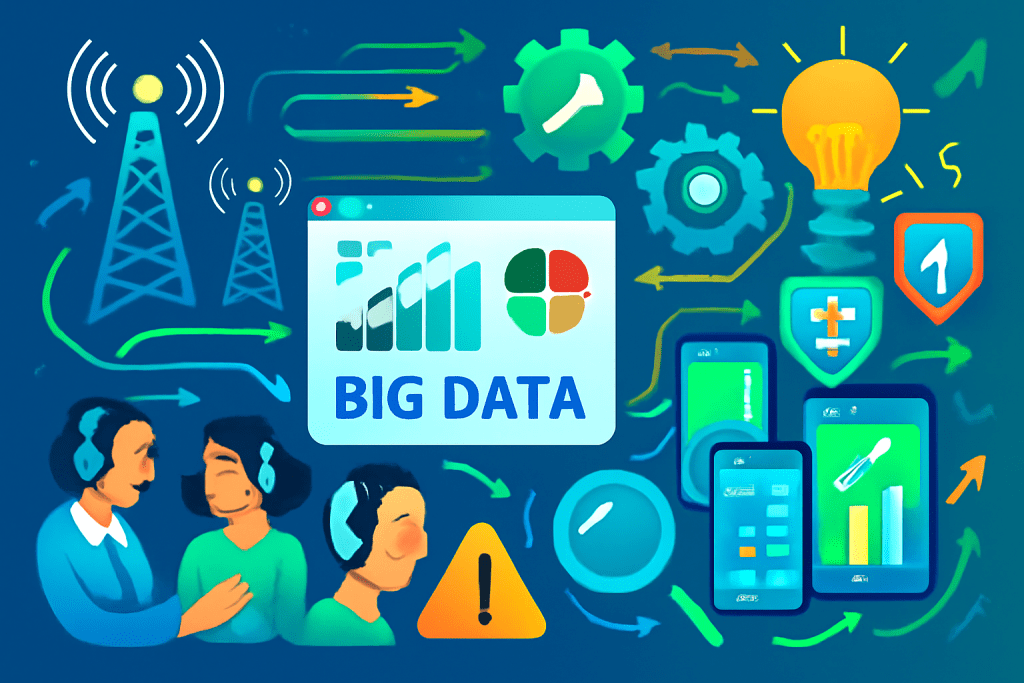
The Future of Telecom Powered by Big Data Analytics: 10 Key Applications In the ever-evolving landscape of telecommunications, Big Data analytics stands as a formidable force reshaping the industry. From network optimization to personalized customer experiences, Big Data is unlocking unprecedented value for telecom operators. As the telecom sector embraces digital transformation, harnessing the power of data analytics becomes essential to staying competitive and innovative. This comprehensive blog explores the top 10 applications where Big Data analytics is revolutionizing telecom, supported by real-world insights and integrated with authoritative resources from TechOTD. Introduction Telecom networks generate massive volumes of data daily—calls, messages, internet traffic, device signals, and more. The capability to analyze this Big Data not only enhances operational efficiency but fuels innovation with predictive insights and customer-centric services. At TechOTD AI Services, we specialize in delivering advanced AI and Big Data solutions designed for telecom businesses to unlock powerful outcomes at scale, strengthened by cutting-edge machine learning, automation, and predictive analytics. 10 Key Applications of Big Data Analytics in Telecom 1. Network Optimization and Capacity Planning Big Data analytics enables telecoms to monitor real-time network performance metrics and user demand patterns. This facilitates smart allocation of resources and predictive capacity planning that mitigates congestion and improves service quality. 2. Predictive Maintenance and Fault Management Using sensor data and historical records, predictive models anticipate potential failures in telecom equipment—allowing operators to perform maintenance proactively and reduce downtime. 3. Customer Churn Prediction and Retention Strategies Analyzing user behavior, billing data, and service interactions, Big Data helps identify customers likely to churn. Targeted retention offers and personalized campaigns are then deployed to improve customer loyalty(see the generated image above). 4. Personalized Marketing and Service Bundling Leveraging customer demographics, consumption habits, and location data, telecoms tailor marketing offers and recommend optimal service bundles—enhancing user engagement and revenue. 5. Fraud Detection and Risk Mitigation Anomalies in call records, payments, or account activity are quickly detected through Big Data analytics, enabling telecoms to swiftly counter fraud and secure revenue streams. 6. Quality of Service Monitoring and Enhancement Through device-level data and network performance feedback, telecom providers enforce strict QoS measures, proactively resolving issues such as dropped calls and slow data speeds. 7. Revenue Assurance and Billing Accuracy Big Data ensures revenue integrity by analyzing billing processes, detecting leakage points, and automating error corrections, thus optimizing financial performance. 8. Real-time Customer Experience Management Using AI-powered analytics and sentiment analysis, customer interactions across channels are monitored in real-time, enabling instant responses to issues and improving satisfaction scores(see the generated image above). 9. Location-based Services and Contextual Advertising Telecoms use geospatial data analytics for providing tailored local services, emergency alerts, and behavior-based advertising, enriching the subscriber experience. 10. Enabling IoT and 5G Innovations Big Data analytics forms the foundation for managing connected IoT ecosystems and leveraging 5G potential, from smart cities to autonomous vehicles, driving the next wave of digital transformation. Business Benefits of Big Data in Telecom Enhanced Customer Retention and Acquisition: By predicting churn and personalizing offers, telecoms increase loyalty and attract new users. Operational Efficiency Gains: Predictive maintenance and resource optimization lower costs and improve reliability. Revenue Growth: Tailored marketing and dynamic pricing unlock higher ARPU. Improved Security: Rapid fraud detection safeguards telecom assets and customer trust. Accelerated Innovation: Agile use of data supports rapid service launches and digital product innovation. Success Stories of Big Data Transformation in Telecom Global Predictive Maintenance Leaders Companies like Vodafone use Big Data to anticipate network issues, reporting over 30% reduction in outages and maintenance costs, with measurable ROI. Advanced Customer Analytics An Asian telecom operator improved campaign conversion by 25% using data-driven personalized offers while reducing churn by 15% through predictive insights. Fraud Prevention Excellence Real-time transactional analysis deployed by US-based carriers detected and prevented fraud incidents 80% faster, thereby protecting revenue and customers. TechOTD’s Role in Driving Telecom Innovation with Big Data TechOTD delivers comprehensive AI and Big Data services tailored to telecom operators, including: Custom AI model development and deployment Predictive analytics for network and customer management Workflow automation and data visualization Compliance and security-focused implementations Expert consulting and ongoing system support Explore our offerings in detail at TechOTD AI Services and learn about our agile process through How We Work. FAQ: Big Data in Telecom Q1: How does Big Data improve telecom network reliability? Big Data enables real-time monitoring and predictive maintenance, helping telecoms reduce outages and optimize capacity planning. Q2: What role does Big Data play in preventing telecom fraud? By detecting anomalies across call and transaction records, Big Data supports faster fraud detection and mitigation, protecting operator revenues. Q3: Can Big Data help telecom companies reduce customer churn? Yes, by analyzing multiple data points, operators identify churn risks early and engage customers with tailored retention strategies(see the generated image above). Q4: How is Big Data used for personalized marketing in telecom? Telecom providers use customer profiles and usage data to deliver relevant offers and service bundles, increasing conversion rates. Q5: What innovations are enabled by Big Data and telecom integration? Big Data fuels IoT management, 5G rollout, smart city services, and digital products, accelerating telecom innovation. Q6: How does TechOTD support telecom companies in Big Data adoption? TechOTD delivers tailored AI and Big Data solutions from consulting and development to integration and ongoing support, ensuring seamless operations. Conclusion The future of telecom is intricately linked to Big Data analytics. Operators who embrace data-driven strategies are poised to gain competitive advantages in customer satisfaction, operational excellence, and innovation. Partnering with solution experts like TechOTD ensures that telecom companies not only keep pace with technological advancements but lead in shaping the connected world of tomorrow.

data science

Big Data in Telecom: Top 10 Use Cases, Benefits, and Success Stories

Introduction Telecommunications operators face enormous data challenges in 2025, managing petabytes of voice, data, and media traffic from millions of users daily. Big Data analytics has emerged as the backbone of modern telecom, enabling carriers to unlock deeper operational efficiencies, improve customer experience, and drive new revenue streams. Leveraging platforms and services like those offered at TechOTD AI Services, telecom firms now transform raw data into strategic advantage. Top 10 Use Cases of Big Data in Telecom 1. Network Optimization and Predictive Maintenance Big Data enables real-time monitoring of cellular networks, identifying and resolving bottlenecks before they cause outages. Predictive maintenance uses machine learning to analyze equipment degradation, preventing costly failures. Intelligent sensors and analytics help forecast hardware needs. Proactive interventions minimize downtime and improve service continuity. 2. Churn Prediction and Reduction Telecom companies use Big Data to isolate churn risk factors, combining usage patterns, billing data, and service complaints. Advanced models generate real-time “churn scores” so proactive retention offers can be triggered. AI-driven sentiment analysis improves targeting of at-risk users. Data-driven campaigns enhance customer engagement. 3. Personalized Marketing and Product Recommendations By mining subscriber data (location, interests, device type), operators create hyper-personalized marketing offers. Recommendation engines can upsell the latest devices or targeted service bundles. 4. Fraud Detection and Revenue Assurance Big Data tools rapidly identify anomalous behavior across millions of transactions. This enables swift fraud detection (SIM swapping, account takeover) and robust revenue assurance across billing and payments. 5. Smart Pricing and Dynamic Tariffs Real-time data on network usage and customer value allows telecoms to implement smart, dynamic pricing strategies. Peak/off-peak tariffs are optimized using AI. Personalized plans increase ARPU (average revenue per user). 6. Quality of Service (QoS) Improvement Data from user devices and network elements is analyzed to address QoS issues instantly, ensuring superior voice and data experiences. 7. Customer Experience Management (CEM) Big Data powers automated customer support (AI chatbots) and sentiment analysis across digital channels, driving better NPS (net promoter scores). 8. Location-Based Services and Targeted Campaigns Telecoms analyze real-time mobility and location data for customized local offers, tourism promotion, and public safety alerts. 9. New Service Innovation Leveraging predictive analytics, telecoms develop innovative services like mobile wallets, IoT platforms, cloud storage, or content partnerships based on recent trends and consumer needs. 10. Enhanced Security and Compliance Big Data analytics secures critical infrastructure using advanced threat detection and anomaly pattern recognition, crucial for regulatory compliance in telecom. Business Benefits of Big Data in Telecom Revenue Growth: New services and targeted upselling boost ARPU. Operational Efficiency: Predictive maintenance and smart automation cut costs. Customer Retention: Early risk detection and personalized responses reduce churn. Improved Security: Fast anomaly detection lowers fraud and attacks. Agility and Innovation: Real-time insights support rapid deployment of new services. Success Stories: Big Data Transforming Telecom Predictive Network Analytics at Leading Telcos Global carriers like Vodafone and AT&T deploy AI-based predictive maintenance, reporting reductions in service outages and millions saved annually. Personalized Campaigns at Scale A major Asian operator leveraged user analytics for location-based campaigns, increasing response rates by 30% and reducing churn with targeted loyalty programs. Fraud Prevention for Secure Operations Operators using real-time analytics report up to 80% faster fraud detection and significant reductions in revenue leakage. TechOTD: AI and Big Data Services for Telecom TechOTD delivers multi-domain AI and predictive analytics solutions for telecom, covering: Machine Learning and AI model deployment Workflow automation and process monitoring Natural language processing for customer support Compliance, privacy, and security-first frameworks Custom solutions integrating cloud, computer vision, and DevOps tools See the full range at: AI Services | How We Work. Backlinks for Enhanced Authority AI Services Blogs Blockchain Integration in Dubai How We Work LLMs in Finance AI for Seamless Customer Journeys Gadgets for Programmers 2025 Predictive Analytics Software Technology Impact on Education React Native vs Swift Industry Blogs Mobile App Services Real-World Example Table Use Case Description Example Impact Predictive Maintenance AI detects hardware failures before outage 32% drop in unplanned downtime Churn Management Data analytics isolate high-risk customers 17% decrease in churn rate Fraud Detection Real-time anomaly monitoring −80% fraud losses Personalized Offers Data-driven marketing to individuals 25% increase in campaign CTR Network Optimization Automated resource allocation Less network congestion FAQ: Big Data in Telecom 1. How does Big Data improve network reliability for telecom operators? Big Data enables predictive maintenance and real-time health monitoring, allowing proactive repairs—thus minimizing outages and improving network uptime. 2. What are the security benefits of Big Data analytics in telecom? Advanced analytics quickly flag unusual activity and fraud/risk patterns, strengthening critical infrastructure security and regulatory compliance. 3. How can Big Data reduce customer churn? By analyzing multiple customer touchpoints (usage, support, payment), telecoms can predict churn and deploy personalized retention offers, thus retaining more users. 4. In what ways does Big Data enable business innovation? Operators develop new services (IoT, digital wallets, smart city apps) driven by analysis of emerging customer trends and demands. 5. How is Big Data used for personalized marketing? By integrating customer behavior, demographic, and geolocation data, telecoms deliver tailored offers and experiences, boosting customer engagement. 6. Is Big Data analytics affordable for mid-tier telecoms? Yes, especially with modular cloud-based solutions and phased adoption; TechOTD provides scalable offerings for all business sizes. 7. What role does TechOTD play in telecom digital transformation? TechOTD provides consulting, custom development, integration, and ongoing support for AI, Big Data, and predictive analytics platforms tailored to telecom. Conclusion Telecom companies unlocking the potential of Big Data achieve higher efficiency, stronger security, superior customer experience, and innovation at scale. With leading-edge AI transformation partners such as TechOTD, the journey from data to insight is both streamlined and future-proof. For more insights, case studies, and technology guides, visit the TechOTD

Scroll to Top