digital innovation

Artificial Intelligence, Digital Transformation, Technology

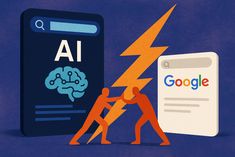
AI-Powered Search vs Traditional Search Engines: What’s Changing?

AI-Powered Search vs Traditional Search Engines: What’s Changing? The way we search for information online is undergoing one of the biggest transformations since the birth of the internet. For more than two decades, traditional search engines have been our gateway to the digital world. Whether we wanted to find a nearby restaurant, learn a new skill, research a topic, or compare products, search engines have always been the first stop. However, the rise of Artificial Intelligence has started a new chapter in the evolution of search technology. AI-powered search is changing how users interact with information, moving beyond simply displaying links and providing direct, conversational answers. From AI assistants and chatbots to intelligent search platforms integrated into browsers and applications, the search experience is becoming faster, smarter, and more personalized than ever before. But what exactly is changing? How does AI-powered search differ from traditional search engines? And what does this shift mean for businesses, content creators, and everyday users? Let’s explore. Understanding Traditional Search Engines Traditional search engines have dominated the internet for years. Their primary purpose is to help users discover relevant web pages based on keywords entered into a search box. When a user searches for something like “best laptops for students,” the search engine scans its index of billions of web pages and returns a list of links ranked according to relevance and authority. This process generally involves: Crawling websites Indexing content Ranking pages Displaying search results The user then clicks through multiple links to find the information they need. Traditional search has been highly effective because it provides access to a vast amount of information. However, it often requires users to visit several websites before finding a complete answer. For simple questions, this process may feel inefficient in today’s fast-paced digital environment. What Is AI-Powered Search? AI-powered search represents a significant evolution in information retrieval. Instead of simply presenting a list of links, AI search systems understand user intent, analyze context, and generate direct answers in natural language. These systems use advanced technologies such as: Natural Language Processing (NLP) Machine Learning Large Language Models (LLMs) Contextual Understanding Generative AI When users ask a question, AI-powered search can provide a summarized response, explain concepts, compare options, and even engage in follow-up conversations. For example, instead of searching: “Best smartphones under ₹30,000” Users can ask: “Which smartphone under ₹30,000 has the best camera and battery life for daily use?” An AI-powered system can analyze the query, understand the requirements, and provide a tailored recommendation instantly. This conversational approach makes information discovery significantly more intuitive. The Biggest Differences Between AI Search and Traditional Search Although both approaches aim to help users find information, they operate very differently. 1. Links vs Direct Answers Traditional search engines primarily provide lists of relevant links. Users must browse multiple websites to gather information and form conclusions. AI-powered search, on the other hand, often delivers a complete answer directly within the search interface. This reduces the need to open multiple tabs and saves valuable time. 2. Keyword Matching vs Intent Understanding Traditional search heavily relies on keywords. While modern search engines have become better at understanding language, keyword relevance remains a major factor. AI-powered search focuses more on understanding intent. It analyzes the meaning behind the query rather than just matching keywords. This allows users to ask questions naturally without worrying about specific search terms. 3. Static Results vs Conversational Interaction Traditional search results are generally static. If users need clarification, they must perform additional searches. AI-powered search creates an interactive experience. Users can ask follow-up questions, request explanations, or refine their search without starting over. This makes information gathering more efficient and user-friendly. 4. Information Gathering vs Information Synthesis Traditional search presents information from multiple sources. Users are responsible for reading and synthesizing the content. AI search performs much of this work automatically by combining information from various sources and presenting it in a summarized format. This significantly reduces research time. 5. One-Size-Fits-All vs Personalized Experiences AI systems can adapt responses based on context, previous interactions, and user preferences. This creates a more personalized experience compared to traditional search methods that often display similar results for everyone. Why AI-Powered Search Is Gaining Popularity The rapid adoption of AI search is not happening by accident. Several factors are driving this shift. Faster Access to Information Modern users expect instant answers. AI-powered search reduces the number of steps needed to find information, improving efficiency. Instead of reading multiple articles, users receive concise responses immediately. Better Understanding of Complex Queries People often struggle to find the right keywords when using traditional search. AI-powered systems understand natural language, making searches more intuitive. Users can communicate as if they were speaking to another person. Enhanced Productivity Professionals, students, researchers, and businesses are increasingly using AI search tools to accelerate workflows. Tasks that once required hours of research can now be completed in minutes. Improved User Experience The conversational nature of AI search creates a more engaging experience. Rather than searching repeatedly, users can refine questions naturally and receive increasingly relevant responses. How AI Search Is Impacting Businesses The shift toward AI-powered search is creating both opportunities and challenges for businesses. Changing SEO Strategies For years, businesses have optimized content to rank highly on search engine results pages. As AI search becomes more common, SEO strategies are evolving. Content creators now need to focus on: Answering user questions clearly Providing valuable insights Demonstrating expertise Creating trustworthy content Structuring information effectively High-quality content is becoming more important than ever. Increased Importance of Authority AI systems prioritize reliable and authoritative information. Businesses that consistently publish accurate, informative, and credible content are more likely to gain visibility. Building trust is becoming a competitive advantage. New Opportunities for Brand Visibility Although AI-generated answers may reduce clicks to websites in some cases, they also create opportunities for brands to be cited as trusted sources. Businesses that produce valuable content can strengthen their authority and reach broader audiences. Challenges Facing AI-Powered Search Despite

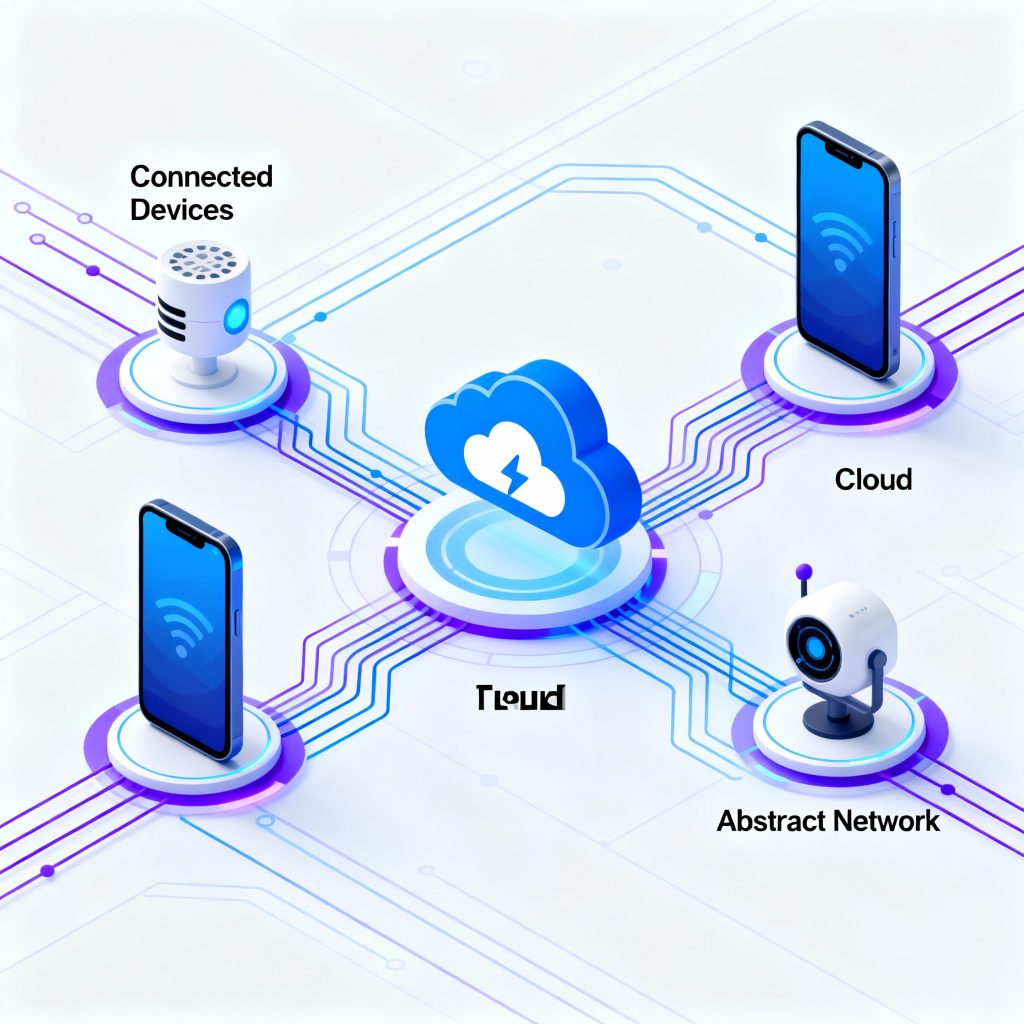
Abstract visualization of artificial intelligence and machine learning networks.
Artificial Intelligence, machine learning

Artificial Intelligence and Machine Learning in Everyday Life

Introduction Artificial Intelligence (AI) and Machine Learning (ML) are no longer futuristic concepts — they’re part of our daily reality. Whether it’s unlocking your phone with facial recognition, getting directions from Google Maps, or streaming personalized shows on Netflix, AI and ML are silently working behind the scenes. These technologies have become the backbone of modern innovation, revolutionizing industries, improving decision-making, and enhancing user experiences everywhere. In this article, we’ll explore how AI and ML are reshaping the way we live, work, and interact with technology. Understanding AI and ML Artificial Intelligence (AI) AI refers to the simulation of human intelligence in machines. It enables computers to perform tasks like thinking, learning, problem-solving, and decision-making. Machine Learning (ML) ML is a subset of AI that allows systems to learn from data and improve automatically without being explicitly programmed. In simple words:AI = The brain that makes decisions.ML = The process that helps the brain learn from experience. How AI and ML Work Together AI uses algorithms and models developed through ML to process vast amounts of data and identify patterns. The more data they process, the smarter they become. For instance, when you shop online and see product recommendations, that’s ML analyzing your behavior, and AI deciding what to show you next. AI and ML in Everyday Life Here are some real-world examples of how these technologies impact our daily routines: 1. Smartphones and Personal Assistants Voice assistants like Siri, Google Assistant, and Alexa use AI for voice recognition, natural language processing (NLP), and smart decision-making. AI helps understand your voice commands. ML learns your preferences over time. Combined, they make your device more intuitive and efficient. Example: Predictive text suggestions, camera scene detection, and smart replies in messaging apps. Social Media Platforms AI powers everything from your feed recommendations to face tagging. Facebook/Instagram: Recognize faces in photos using ML models. Twitter/X: Filters spam and offensive content automatically. TikTok/YouTube: Recommend videos based on user behavior patterns. AI learns what you enjoy, keeping your feed relevant and engaging. Healthcare and Medicine AI is saving lives by improving diagnostics and personalizing treatments. Early Disease Detection: ML models detect cancer or heart disease earlier than humans. Drug Discovery: AI accelerates the process of finding new medicines. Virtual Nurses: Chatbots assist patients with reminders and consultations. Example: IBM Watson assists doctors by analyzing patient data for accurate diagnoses. 4. Transportation and Navigation From Google Maps to self-driving cars, AI and ML make transportation smarter. Navigation apps use ML to analyze traffic patterns and suggest the fastest routes. Autonomous vehicles like Tesla’s Autopilot use sensors and AI to drive safely. Impact: Reduced traffic congestion, fewer accidents, and improved travel efficiency. 5. Banking and Finance AI enhances fraud detection, risk management, and personalized banking. Detects unusual transactions in real time. Analyzes spending behavior to prevent fraud. Provides AI-based financial advice and budgeting tools. Example: Chatbots like HDFC’s “EVA” or SBI’s “SIA” answer customer queries instantly. 6. Education and E-Learning AI personalizes learning for students based on strengths and weaknesses. Adaptive learning platforms adjust content difficulty automatically. Virtual tutors provide 24/7 assistance. ML helps educators predict student performance. Example: Duolingo uses ML to personalize language lessons for every learner. 7. Entertainment and Streaming Platforms AI decides what you watch next! Netflix, Spotify, and YouTube use ML algorithms to study your history and recommend similar content. AI improves sound and video quality using enhancement algorithms. Example: Netflix’s recommendation engine reportedly saves the company over $1 billion per year by retaining users through personalized suggestions. 8. Smart Homes and IoT Devices AI-powered home devices such as Nest Thermostats, Smart Lights, and Security Cameras learn your habits to optimize comfort and energy use. Adjusts lighting and temperature automatically. Detects intrusions using ML-based image recognition. Saves energy with predictive scheduling. 9. Customer Service Chatbots Businesses now use AI chatbots to handle thousands of customer queries efficiently. Provides 24/7 instant support. Understands natural language queries. Reduces wait time and operational costs. Example: ChatGPT-powered bots are now integrated into customer service systems globally. 10. Retail and E-Commerce AI and ML personalize your shopping journey. Product recommendations Dynamic pricing (adjusts prices based on demand) Predictive inventory management Example: Amazon’s “Just Walk Out” technology uses AI to automatically bill customers as they leave the store. Behind the Scenes: Technologies That Power AI and ML Technology Function Neural Networks Mimic the human brain to identify complex patterns. Natural Language Processing (NLP) Enables machines to understand human speech/text. Deep Learning Learns from massive data sets with minimal human supervision. Computer Vision Allows systems to interpret visual data (images, videos). Reinforcement Learning Systems learn by trial and error through rewards and penalties. These technologies together enable machines to see, understand, and respond intelligently — shaping our digital world. Advantages and Challenges of AI in Daily Life Advantages Saves time and increases efficiency Reduces human error Enables predictive analytics Improves personalization and user experience Enhances safety and convenience Challenges Data privacy concerns Job automation and workforce displacement Algorithmic bias High implementation cost for small businesses The Future of AI and ML The next decade will witness AI becoming even more integrated into our personal and professional lives. Future Trends: AI-powered healthcare diagnostics Fully autonomous transportation systems Emotion-recognizing AI for human-machine interaction AI-driven education personalization Smarter robotics for home and industry AI is moving from automation to augmentation — not replacing humans, but empowering them to achieve more. Conclusion AI and ML have become invisible assistants guiding our daily decisions — what we buy, how we travel, what we learn, and even how we stay healthy. Their true magic lies not in replacing humans, but in enhancing human potential — making life smarter, faster, and more connected than ever before. The era of intelligent machines has begun — and it’s already in your pocket. FAQs 1. What is the difference between AI and ML?AI is the broader concept of intelligent machines; ML is a subset that allows machines to learn from data. 2. How is AI used in daily

Digital transformation concept with business technology, AI data flow, and cloud computing network.
Uncategorized

Digital Transformation in 2025: How Technology Is Redefining Business and Innovation

Introduction The world is changing — and it’s happening at digital speed. Digital transformation has evolved from being a buzzword to a fundamental necessity for every business. It’s not just about adopting new technologies but about reimagining how organizations operate, deliver value, and connect with customers. In 2025, companies that embrace digital transformation are leading markets, while those that resist it risk falling behind. From cloud computing to AI-driven automation, digital innovation is redefining the global economy. What Is Digital Transformation? Digital transformation is the integration of digital technologies into all areas of business, changing how companies operate and deliver value. It involves adopting new tools, automating processes, and building a culture that embraces continuous innovation. Key aspects include: Technology Adoption: Using AI, cloud, and analytics. Process Optimization: Automating workflows and operations. Cultural Change: Encouraging adaptability and innovation. Core Technologies Powering Digital Transformation Artificial Intelligence (AI): Enables automation, predictions, and personalization. Cloud Computing: Offers scalability and remote accessibility. Internet of Things (IoT): Connects devices for real-time data exchange. Big Data Analytics: Transforms raw data into actionable insights. Blockchain: Adds transparency and security to transactions. 5G Networks: Enables faster, more reliable digital experiences. Benefits of Digital Transformation Speed & Agility: Faster decision-making and innovation. Customer Satisfaction: Real-time personalization and engagement. Cost Efficiency: Automation reduces operational expenses. Business Continuity: Cloud services ensure resilience and scalability. Sustainability: Digital solutions minimize resource waste and paper usage. Challenges in Digital Transformation While transformation offers benefits, it also brings challenges: Cybersecurity Risks: Increased digital exposure demands stronger protection. Legacy Systems: Outdated technology slows innovation. Cultural Resistance: Employees may fear change or automation. High Initial Costs: Digital tools require upfront investment. The Future of Digital Transformation The next phase of transformation focuses on AI-first ecosystems, automation, and sustainability. Hyper-Automation: Everything that can be automated will be. Green IT: Businesses are adopting eco-friendly digital solutions. AI-Driven Decision Making: Predictive insights guide leadership. Metaverse Integration: Blending digital and physical experiences. Conclusion Digital transformation is not just a technological upgrade — it’s a mindset shift. In 2025, success depends on how quickly businesses adapt to change, leverage data, and deliver value through innovation. As AI, cloud computing, and automation continue to evolve, one thing is clear: “Digital transformation is the bridge between today’s challenges and tomorrow’s possibilities.” FAQ Section Q1. What is digital transformation in simple terms?It’s the process of using technology to improve how businesses operate and serve customers. Q2. Which technologies drive digital transformation?AI, cloud computing, IoT, big data, and automation. Q3. Why is digital transformation important?It enhances efficiency, innovation, and customer satisfaction while reducing costs. Q4. What are common challenges?Cybersecurity, cost, and cultural resistance to change. Q5. Is digital transformation only for big companies?No — small and medium businesses also benefit from automation and cloud tools.

Blockchain & Technology, Uncategorized

An Entrepreneur’s Guide on Blockchain Technology and Its Uses

Introduction Blockchain technology is rapidly transforming the way businesses operate and engage with customers worldwide. For entrepreneurs, understanding blockchain’s fundamentals and practical applications is crucial to leveraging its potential for innovation, security, and efficiency. Blockchain’s decentralized, transparent, and tamper-proof nature brings new possibilities in finance, supply chain, healthcare, real estate, and beyond. This guide dives deep into what blockchain is, how it works, entrepreneurial opportunities it offers, and strategies for deploying blockchain solutions successfully. What is Blockchain Technology? Blockchain is a decentralized digital ledger that records transactions across multiple computers in a way that prevents alterations retroactively. Unlike traditional centralized databases, blockchain distributes data to enhance security, transparency, and trust. Key Features of Blockchain Decentralization: No single entity controls the database. Immutability: Once recorded, data cannot be changed or deleted. Transparency: Transactions are visible to all network participants. Security: Cryptographic techniques ensure data integrity and authentication. Smart Contracts: Automated agreements that execute when predefined conditions are met. Blockchain’s revolutionary architecture enables trustless transactions and collaborates with other technologies such as AI and IoT for smarter business processes (TechOTD AI). How Blockchain Works: A Simplified Explanation At its core, a blockchain consists of a chain of blocks, each containing batches of verified transactions. When a new transaction occurs: It is broadcast to a peer-to-peer network of nodes. These nodes validate the transaction using consensus mechanisms such as Proof of Work or Proof of Stake. Validated transactions are grouped into a block and added to the chain chronologically. The distributed ledger is updated across all nodes simultaneously, ensuring synchronization. This process prevents fraud and establishes a permanent, auditable record. Entrepreneurial Applications of Blockchain Entrepreneurs stand to gain from blockchain in various sectors by solving traditional business challenges like fraud, inefficiency, and lack of transparency. Finance and Payments Cryptocurrencies: Decentralized digital currencies enable borderless payments and lower transaction fees. Decentralized Finance (DeFi): Offers lending, borrowing, and investment platforms without intermediaries. Fraud Prevention: Immutable ledgers combat identity theft and financial fraud. Supply Chain Management Provenance Tracking: Blockchain verifies product origin and handling through transparent records. Counterfeit Mitigation: Assures authenticity across complex supply chains. Efficiency: Automates reconciliation and reduces paperwork with smart contracts (blockchain integration Dubai). Healthcare Patient Records: Secure sharing of medical data with privacy compliance assurance. Drug Traceability: Track and verify pharmaceuticals to prevent counterfeit drugs. Research Collaboration: Trusted platforms for clinical trials data sharing. Real Estate Property Transactions: Streamlines title transfers and notarization via smart contracts. Fractional Ownership: Enables micro-investments and liquidity in real estate markets. Digital Identity Allows self-sovereign identity management where users control access to personal data securely. Benefits of Blockchain for Entrepreneurs Entrepreneurs leveraging blockchain technologies enjoy multiple advantages: Increased Transparency and Trust: Builds credibility with customers and partners. Improved Security and Reduced Fraud: Mitigates cyber risks effectively. Operational Efficiency: Automates workflows, reducing manual errors and delays. Cost Savings: Cuts intermediaries and transaction costs. Access to New Markets: Cryptocurrencies and DeFi open global customer bases. Innovative Business Models: Enables tokenization, decentralization, and new monetization avenues (TechOTD Services). How to Implement Blockchain in Your Business Implementing blockchain requires a strategic approach blending technology assessment, product design, and ongoing support: Analyze Business Needs: Determine pain points suited for blockchain solutions (How We Work). Evaluate Data and Infrastructure: Ensure necessary data quality and system compatibility. Design the Blockchain Product: Define architecture, blockchain type (public/private/consortium), and select the right tech stack (Ethereum, Hyperledger, etc.). Develop and Test: Collaborate with experienced developers for prototyping, testing, and refinement. Deployment and Integration: Integrate with existing systems securely, possibly using cloud platforms. Ongoing Support and Optimization: Monitor, update, and optimize blockchain solutions continuously (TechOTD AI Deployment). Challenges and Considerations for Entrepreneurs While blockchain offers powerful benefits, entrepreneurs must be aware of common challenges: Regulatory and Compliance Risks: Stay updated with evolving laws in different regions. Scalability Issues: Public blockchains sometimes face throughput and latency constraints. Energy Consumption: Proof of Work blockchains consume significant energy; prefer sustainable protocols. Technical Complexity: Expertise needed to develop and manage blockchain infrastructure. Integration with Legacy Systems: Can be complex and costly. User Adoption: Requires educating stakeholders on new processes and trust models. Address these issues with expert consultation and phased implementation. Future Trends: Blockchain Plus AI and Beyond The future of entrepreneurship lies in combining blockchain with emerging technologies: AI-Driven Smart Contracts: More autonomous, adaptive contracts with predictive functions (seamless AI customer journeys). Decentralized Autonomous Organizations (DAOs): Innovating business governance without centralized control. Interoperability Protocols: Connecting multiple blockchains for seamless data and asset transfers. Blockchain for IoT Security: Enhancing device trustworthiness and data integrity. Predictive Analytics on Blockchain Data: Unique insights via secure, decentralized data pools (predictive analytics guide). Conclusion Blockchain technology is more than a buzzword; it is a foundational innovation enabling entrepreneurs to create more secure, transparent, and efficient businesses. By understanding blockchain’s core principles, entrepreneurial opportunities, benefits, and challenges, business leaders can chart a clear course for digital transformation. Embracing blockchain alongside AI, IoT, and predictive analytics unlocks unprecedented potential for innovation and competitive advantage in a rapidly evolving marketplace. For entrepreneurs ready to embark on their blockchain journey, partnering with experts like TechOTD ensures access to premium AI, blockchain, and custom software development services tailored to specific business needs and scaling goals. Book a consultation today to harness blockchain’s power for your enterprise: TechOTD AI Services.

Technical Debt

Digital Innovation Challenges: Can Your Technology Keep Up?

Digital Innovation Challenges: Can Your Technology Keep Up?   Introduction In today’s lightning-fast digital era, innovation isn’t just a buzzword—it’s a necessity. Businesses that fail to adapt quickly risk losing ground to agile competitors, eroding market share, and falling short of customer expectations. Digital innovation brings immense promise—streamlined operations, new revenue streams, and better user experiences—but it also introduces unique technological challenges. Is your technology stack resilient, scalable, and intelligent enough to keep pace? This blog explores the key hurdles companies face in the race for digital excellence and provides practical solutions, highlighting how future-ready partners like TechOTD can empower your journey. The Biggest Digital Innovation Challenges Legacy System Limitations Outdated IT infrastructure and siloed systems hamper integration and flexibility. Difficulty connecting legacy platforms to cloud, mobile, and AI solutions slows business transformation. Solution: Migrate gradually with expert web development and modernization. Scalability for Sudden Growth Many companies struggle to scale infrastructure to meet demand spikes without prohibitive costs. Cloud adoption and automation help, but navigating the transition can be complex. Solution: Embrace robust cloud solutions and leverage AI-powered automation. Security in a Connected World Expanding digital footprints increase vulnerabilities to cyber threats and data breaches. Compliance with evolving regulations (GDPR, HIPAA) is increasingly demanding. Solution: Build secure software with regular security audits through industry-leading partners. Data Overload and Insight Extraction Massive data is generated every minute, but actionable insights lag behind. Integrating disparate data sources and harnessing predictive analytics is an ongoing struggle. Solution: Invest in AI & Analytics to turn raw data into strategic advantage. User Expectations & Digital Experience Customers demand seamless, personalized experiences across platforms. Slow, unintuitive, or buggy apps lead to abandoned carts and lost loyalty. Solution: Employ cutting-edge mobile app and web solutions for world-class customer engagement. How to Overcome Innovation Hurdles Create a Culture of Agility Foster cross-functional teams and encourage experimentation over perfectionism. Rapidly prototype and test new ideas with minimal risk. Adopt Modular, Future-Proof Platforms Use modern APIs and microservices to facilitate integration and scalability. Avoid vendor lock-in and ensure long-term flexibility. Harness Artificial Intelligence Automate repetitive tasks and drive smarter decisions with AI-driven tools. Leverage AI for predictive analytics, personalization, and product recommendations for industries like eCommerce. Partner with Innovation-Driven Experts Collaborate with technology advisors who offer both strategy and implementation—see how TechOTD’s partner programs deliver end-to-end digital transformation. Invest in Proactive Maintenance and Support Ensure continuous uptime, regular updates, and future scalability. Choose IT partners that provide robust support and knowledge transfer—learn more About TechOTD. Conclusion Digital innovation is a journey with hurdles at every step—from legacy challenges and security threats to the need for constant scalability and insight. But with the right strategy and future-facing technology partners, these challenges turn into stepping stones for growth and leadership. Is your organization ready to innovate at scale and speed? Start by assessing your digital readiness and engaging with trusted partners like TechOTD to shape a resilient, intelligent future. FAQ 1. What’s the main technology challenge in digital innovation? Legacy systems and lack of integration are the biggest barriers—modernize gradually, don’t rip and replace. 2. How can my business extract more value from our data? Utilize advanced AI and data analytics platforms to unify, process, and interpret data from all sources. 3. Are cloud solutions essential for digital innovation? Yes, cloud infrastructure allows you to scale rapidly, deploy globally, and tap into new services and capabilities with less friction. 4. What are best practices for securing digital innovations? Follow a security-by-design approach, conduct regular audits, and stay compliant with the latest regulations. 5. When should I seek an external technology partner? If you need fresh expertise, want to expedite transformation, or lack in-house tech resources, partnering with a firm like TechOTD is highly effective.

Scroll to Top