How Technology Is Improving Student Learning and Engagement
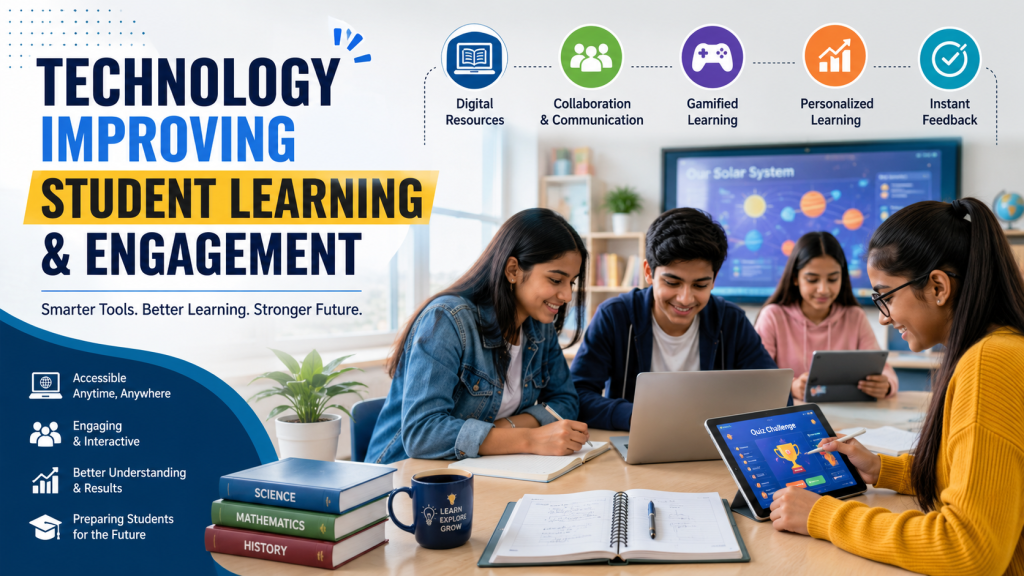
Introduction Technology has become an important part of modern education, changing how students access information, communicate with teachers, and participate in learning activities. Digital classrooms, educational applications, online resources, and interactive tools are making learning more accessible and engaging. Today, students can learn through videos, simulations, virtual classrooms, digital assignments, and collaborative platforms. These technologies can support different learning styles and give students more opportunities to explore subjects beyond the traditional classroom. However, technology is most effective when it is used with a clear educational purpose. The goal should not simply be to add more devices or applications, but to use technology to improve understanding, participation, collaboration, and overall learning outcomes. What Is Technology-Enhanced Learning? Technology-enhanced learning refers to the use of digital tools and technologies to support and improve the learning process. It can include online learning platforms, educational applications, digital textbooks, interactive simulations, virtual classrooms, multimedia resources, and collaboration tools. These technologies can give students access to educational content from different locations and allow them to learn through multiple formats. Instead of relying only on printed materials and traditional lectures, students can combine videos, interactive activities, digital resources, and practical exercises to develop a deeper understanding of different subjects. Examples of Technology in Learning Common examples include learning management systems, online courses, educational videos, virtual laboratories, digital quizzes, collaborative documents, and interactive learning applications. The right combination of these tools can make lessons more engaging while supporting different learning needs. How Technology Improves Student Learning Technology can improve student learning by making educational content easier to access, more interactive, and better suited to different learning needs. Digital tools can help students explore concepts through visual demonstrations, practical activities, simulations, and immediate feedback. 1. Easy Access to Learning Resources Students can access digital textbooks, videos, research materials, online courses, and educational websites from different locations. This gives learners more opportunities to review lessons, explore additional resources, and study outside traditional classroom hours. 2. Interactive Learning Experiences Interactive applications, simulations, quizzes, and multimedia content can make lessons more engaging. Instead of only reading or listening, students can interact with concepts and receive feedback while learning. 3. Personalized Learning Support Digital learning platforms can provide resources based on student progress, interests, and learning needs. Personalized recommendations can help students spend more time on difficult topics and move forward when they are ready. 4. Instant Feedback Online quizzes and digital assessment tools can provide immediate feedback on student performance. Quick feedback helps learners identify mistakes, review difficult concepts, and understand where they need additional practice. How Technology Improves Student Engagement Student engagement is an important part of effective learning. Technology can make lessons more interactive by giving students opportunities to participate, explore ideas, solve problems, and receive immediate responses to their activities. Interactive and Multimedia Content Videos, animations, presentations, simulations, and interactive graphics can present information in different ways. These formats can help students visualize complex concepts and maintain interest during lessons. Gamification in Learning Educational games, challenges, points, badges, and progress systems can introduce game-like elements into learning activities. When used appropriately, gamification can encourage participation and make practice activities more engaging. Collaborative Learning Digital collaboration tools allow students to work together on projects, share ideas, communicate with classmates, and create content. These activities can help develop teamwork, communication, and problem-solving skills. Learning Beyond the Classroom Technology allows students to continue learning outside traditional classroom hours. Online courses, educational videos, digital libraries, and learning applications can provide additional opportunities for exploration and practice. Benefits of Technology in Education When used effectively, technology can provide several benefits for students, teachers, and educational institutions. It can make learning more flexible, accessible, interactive, and connected while giving educators additional tools to support student progress. Greater Accessibility Digital resources can make educational content available to students who may not always be able to attend traditional classroom sessions. Online materials can also support learners in different locations and with different learning requirements. Flexible Learning Technology allows students to access lessons and resources according to their schedules and learning pace. Recorded lectures, online courses, and digital materials give learners greater flexibility in deciding when and how they study. Improved Collaboration Digital communication and collaboration platforms make it easier for students and teachers to share information and work together. Students can collaborate on projects even when they are not physically in the same classroom. Development of Digital Skills Regular use of technology can help students develop digital literacy, communication, research, collaboration, and problem-solving skills. These skills can be valuable for higher education and future workplaces. Support for Teachers Technology can help teachers organize learning materials, create assessments, communicate with students, and track progress. These tools can reduce repetitive work and give educators more time to focus on teaching and student support. Challenges of Using Technology in Education Although technology can improve learning and engagement, its use in education also creates certain challenges. Schools and educational institutions need to consider access, privacy, security, screen time, costs, and teacher training when introducing digital tools. Digital Divide Not every student has equal access to reliable internet, computers, smartphones, or other digital devices. Differences in access can create unequal learning opportunities, particularly when important educational resources are available mainly online. Privacy and Security Educational platforms may collect student information and learning data. Schools and technology providers need appropriate privacy and security practices to protect this information and ensure that digital resources are used responsibly. Excessive Screen Time Excessive use of digital devices can affect concentration and reduce opportunities for physical activity and face-to-face interaction. Technology should be balanced with discussions, practical activities, reading, and other forms of learning. Technology Costs Implementing digital learning systems may require investment in devices, software, internet infrastructure, maintenance, and training. Educational institutions need to consider these costs when planning technology adoption. Teacher Training Teachers need appropriate training to use educational technologies effectively. Without sufficient support, even useful digital tools may not deliver their intended educational benefits. The Future of Technology in Education The role of technology