Customer Segmentation

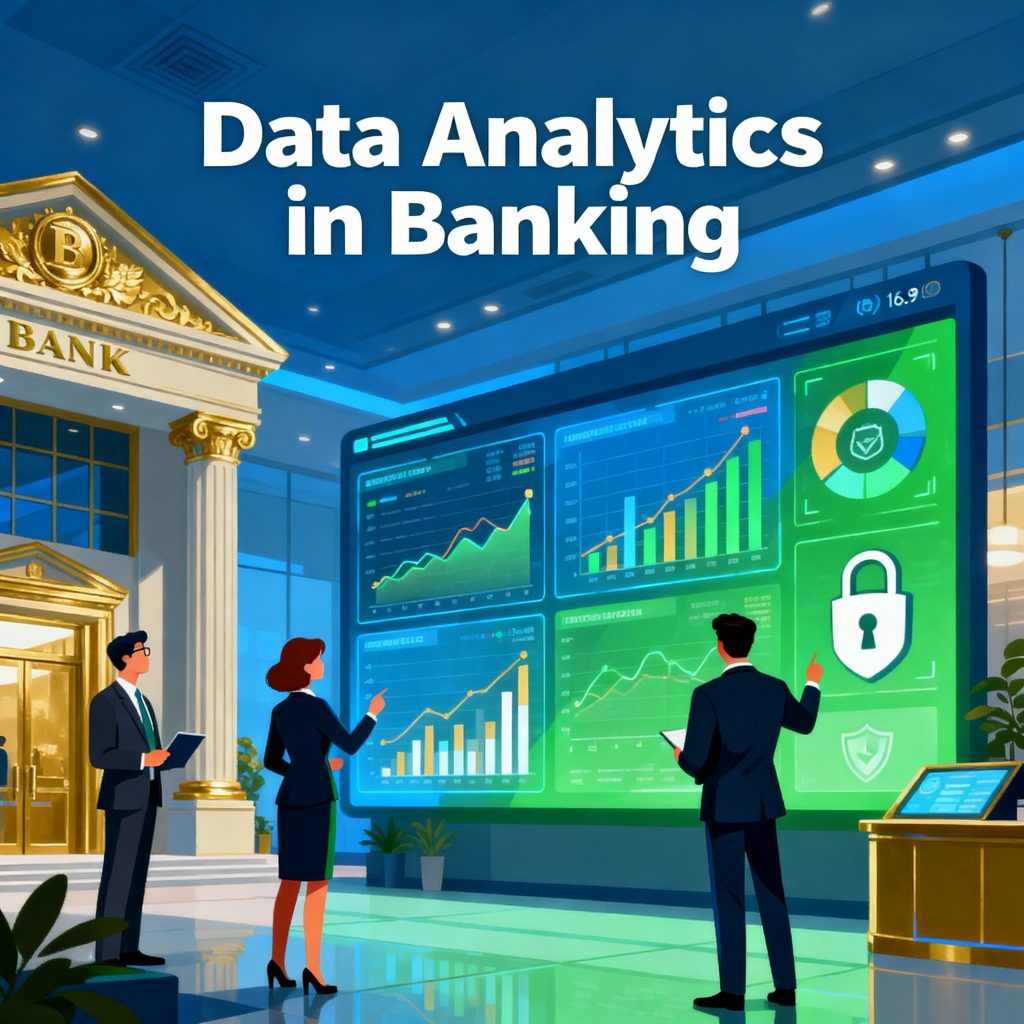
2D illustration of a modern bank with professionals examining colorful digital analytics dashboards, security icons, and vibrant graphs, highlighting data analytics in banking.
data science

Data Analytics in Banking: Transforming Finance in 2025

  Introduction The banking industry is entering a new era—where every transaction, service, and decision is powered by data analytics in banking, banking analytics, and data-driven banking. From retail and commercial banking to investment and treasury, financial institutions are now harnessing the power of analytics tools, financial data analysis, and artificial intelligence to drive smarter strategies, deliver personalized customer experiences, prevent fraud, and manage risk more effectively than ever before. In today’s competitive financial landscape, banks that embrace data analytics not only thrive—they set the pace. For insights on related financial innovation, read our guide to predictive analytics software development. For the latest industry research from a leading consultancy, visit McKinsey Financial Services Insights. How Data Analytics Powers Modern Banking Fraud Detection and AML/KYC Real-time transaction monitoring, anomaly detection, and predictive analytics flag suspicious activity for strong anti-fraud and compliance measures in banking analytics. Machine learning models analyze transaction patterns to detect fraud, building trust and reducing losses for data-driven banking. Customer Segmentation & Personalization Banks group customers by behavior, demographics, and spending patterns for highly relevant product offerings powered by financial data analysis. Personalized recommendations, communications, and experiences increase retention by up to 85% when personalization is prioritized in data analytics in banking. Credit Risk Assessment Advanced credit analytics leverage alternative data and predictive analytics models to accurately assess borrower risk, reducing non-performing assets. Faster and fairer data-driven lending decisions empower responsible lending and expand financial inclusion. Churn Prediction & Retention Analytics identify at-risk customers early, enabling banks to trigger proactive retention campaigns and reduce churn in banking analytics. Early intervention through data-driven banking strategies boosts long-term relationship value. Operational Efficiency & Compliance Streamlined reporting and process automation lower regulatory costs and compliance errors in banking analytics (compliance costs can drop by 20%). Automated pipelines support real-time reporting for Basel, IFRS9, and SEBI requirements with predictive analytics in banking. Predictive Analytics for Strategy Predictive analytics models anticipate cash/ATM demand, optimize pricing, assess investment risk, and forecast market trends for smarter business decisions. Scenario analysis enables banks to adapt to changing economic conditions using data analytics in banking. Real-World Use Cases   Use Case Description Fraud Detection Real-time analytics spot and prevent suspicious transactions using banking analytics. Personalized Banking Banks offer tailored products and services brought by data-driven banking and customer financial data analysis. Loan Default Prediction Machine learning credit scoring supports risk decisions, reducing losses in banking analytics. Compliance Reporting Automation cuts regulatory costs and errors in financial data analysis. Customer Churn Prediction Analytics identify at-risk accounts for targeted retention using predictive analytics. Pricing Optimization Data-driven interest rates and dynamic product pricing improve growth. Strategic ATM Placement Analytics and data-driven banking determine ATM locations for higher usage and savings. Benefits of Data Analytics in Banking Smarter, faster data-driven decisions for revenue growth Stronger fraud prevention and security through predictive analytics Better risk management using banking analytics tools Personalized customer engagement and loyalty Reduced operational costs and improved compliance in financial data analysis Deeper customer insight for strategic data-driven banking innovation Conclusion Data analytics in banking, banking analytics, and predictive analytics are transforming every facet of the industry—empowering institutions to innovate, mitigate risk, and deliver exceptional service. As financial data analysis and data-driven banking become standard in 2025, analytics will drive resilient, future-ready financial strategies. FAQ How does data analytics prevent banking fraud? By using real-time monitoring and machine learning, analytics detect fraudulent patterns and anomalies rapidly, minimizing losses. What is customer segmentation and why does it matter? It’s grouping customers by behavioral and demographic traits, helping banks target relevant offerings for higher engagement and loyalty. How does analytics improve loan approval speed? Credit scoring models use multiple data sources for instant, accurate risk assessment—approving loans faster and reducing bad debt. Can analytics reduce compliance costs? Yes, automation of reporting and data management slashes compliance expenses and error rates. What’s the future of analytics in banking? Expect smarter AI models, blockchain integration for data transparency, real-time insights, and hyper-personalized banking as standard.  
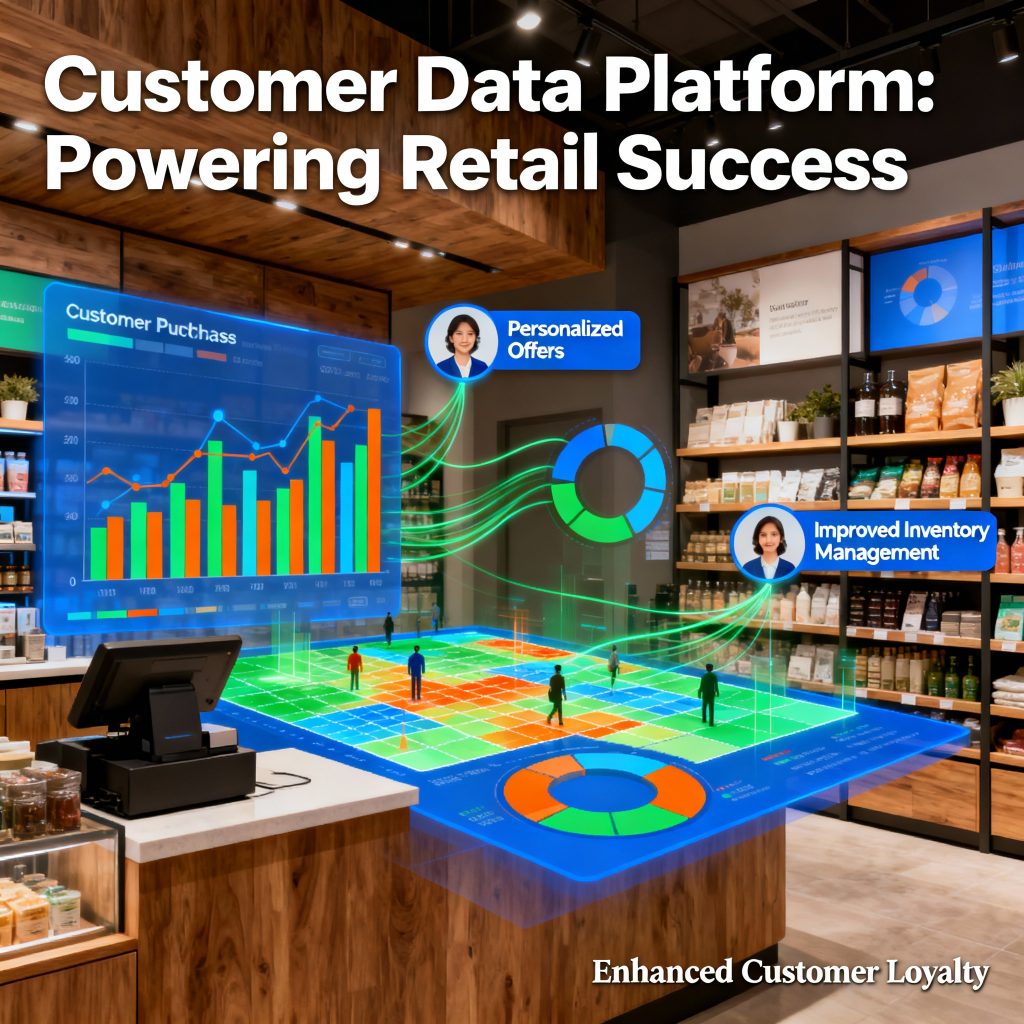
Feature image showing customer data platform (CDP) benefits for retail businesses, with colorful data analytics visuals and modern retail store elements.
Software development

10 Reasons You Need a CDP for Your Retail Business

  Introduction In today’s data-driven retail landscape, understanding and connecting with customers is crucial to success. Modern retailers rely on advanced software solutions like a Customer Data Platform (CDP) to unify fragmented customer data into a single hub. This empowers retail technology ecosystems to create personalized experiences, optimize marketing, and boost sales. As machine learning retail analytics, privacy regulations, and digital channels expand, a robust e-commerce CDP is no longer a luxury—it’s an essential tool for thriving in retail. This blog explores ten powerful reasons every retailer needs a CDP and offers actionable steps to build one, with deep insights and internal links to TechOTD’s leading resources. 10 Reasons You Need a CDP for Your Retail Business 10 Reasons Your Retail Business Needs a CDP 1. Unified Customer View A CDP creates a single, comprehensive profile for each customer by consolidating data from online stores, point-of-sale systems, mobile apps, and loyalty programs. This unified profile becomes the backbone of your retail system, supporting better understanding and improved decision-making. 2. Improved Personalization With unified data, retailers can deliver highly personalized product recommendations, emails, and offers. Personalization increases engagement and conversion rates by leveraging smart machine learning retail models within your CDP. 3. Enhanced Customer Segmentation CDPs enable segmentation based on behaviors, demographics, and purchase history—so messaging and offers are always relevant to each group, making your retail technology strategy more powerful. 4. Better Marketing ROI Precise targeting with real-time data means fewer wasted ad dollars and more effective campaigns. CDPs boost return on ad spend (ROAS) and improve overall marketing efficiency using advanced software analytics. 5. Seamless Omnichannel Experience CDPs unify customer journeys across web, apps, email, and physical stores, ensuring consistent messaging and experiences no matter where customers interact—essential for any e-commerce cdp implementation. 6. Data Compliance and Privacy Managing customer data centrally makes compliance with GDPR, CCPA, and other privacy regulations easier, reducing legal risks. 7. Real-Time Analytics and Insights Advanced analytics allow retailers to track campaign performance, predict churn, and uncover trends for smart, agile decision-making within your retail system. 8. Recover Abandoned Carts CDPs enable personalized follow-up emails and offers that re-engage customers and recover lost sales—using software-powered triggers for timely communication. 9. Customer Retention and Loyalty By understanding and responding to customer needs, CDPs empower loyalty programs and incentives, driving repeat purchases and long-term relationships with the help of advanced retail technology. 10. Marketing Automation and Efficiency Automated workflows triggered by customer actions save time, increase relevance, and let teams focus on strategy instead of manual tasks. This is the essence of modern retail software. How to Build a CDP for Your Retail Business Building a CDP is a strategic process that ensures your investment aligns with business goals—and delivers ongoing value for your retail system. 1. Assess Your Business Needs Identify whether you want more personalization, improved retention, or seamless omnichannel experiences. Clear goals inform every subsequent step. 2. Audit Existing Data Sources Review all systems with customer data (e.g., CRM, online store, loyalty programs—a part of your retail system), identify overlaps and gaps, and clean your data to ensure reliability. 3. Design the Architecture Plan how the CDP will connect to platforms like CRMs, e-commerce, POS, and marketing tools—key elements of retail technology. Define rules for real-time and batch data processing, access control, and regulatory compliance. 4. Develop and Integrate the Platform Choose scalable technology and APIs to bridge systems, ensure rapid data sync, and prioritize security. Integrate with existing processes and future-proof for business expansion using suitable software. 5. Define Segments and Attributes Map out key customer attributes and create segments for targeted campaigns (e.g., VIPs, frequent buyers, at-risk customers). 6. Personalization and Automation Configure real-time triggers for personalized messages, recommendations, and offers using machine learning retail tools. Use automation tools to deliver the right communication at the right time. 7. Privacy and Compliance Management Build in privacy controls and consent management. Keep customer trust by being transparent about data handling and honoring customer choices. 8. Measure and Optimize Set clear KPIs, monitor campaign results, and adjust segments, messages, and strategies using live data and advanced analytics software. Key Points Table Reason/Step Description Unified Customer View Single profile per customer enables better understanding and interactions. Improved Personalization Data-driven product recommendations and offers for each user. Enhanced Segmentation Group customers for relevant messages and campaigns. Marketing ROI Fewer wasted ads, real-time performance tracking, higher sales. Omnichannel Experience One smooth journey across online and offline touchpoints. Compliance & Privacy Centralized data simplifies consent management and data regulations. Real-Time Analytics Track trends, campaign success, and customer needs as they happen. Recover Carts Use behavioral data to re-engage and convert lost customers. Retention & Loyalty Data-driven incentives for long-term relationships and repeat sales. Automation Hands-off, triggered messaging and campaigns improve efficiency. For insights on how AI and software are transforming retail, read our guide on Machine Learning in Healthcare for parallels in data-driven innovation: Machine Learning in Healthcare Explore the future of AI-powered customer service in retail technology with our article on Seamless Customer Journeys with AI: Seamless Customer Journeys with AI – The Future of Service Excellence Understand how predictive analytics software enhance CDP capabilities in retail by visiting: Predictive Analytics Software Development – Features, Benefits, Use Cases, Process, and Cost Discover how cloud technology supports modern retail systems in our comprehensive guide: Cloud Computing – An Ultimate Guide for Businesses Learn about agentic RAG and its applications for smarter data management in retail systems: Agentic RAG: What It Is, Types, Applications, and Implementation Read about confidential AI systems transforming data security and compliance in retail technology: Confidential AI Conclusion A Customer Data Platform is a must-have software for every modern retail business. By connecting disparate data sources, enabling true omnichannel engagement, and powering personalization through machine learning retail analytics, a CDP puts the customer at the heart of decision-making. Investing in a CDP enables retailers to exceed customer expectations, drive returns, and thrive amid fierce competition. If you haven’t yet explored CDPs, now is the time to future-proof your retail business with advanced retail system tools—ensuring agility, compliance, and sustained growth. For tailored CDP integration and AI solutions, explore TechOTD’s expertise today. FAQ What is a CDP and how does it differ from a CRM? A CDP unifies customer data from all sources for 360° analysis and activation, while a CRM

machine learning

Machine Learning in Banking – Use Cases and Implementation Process

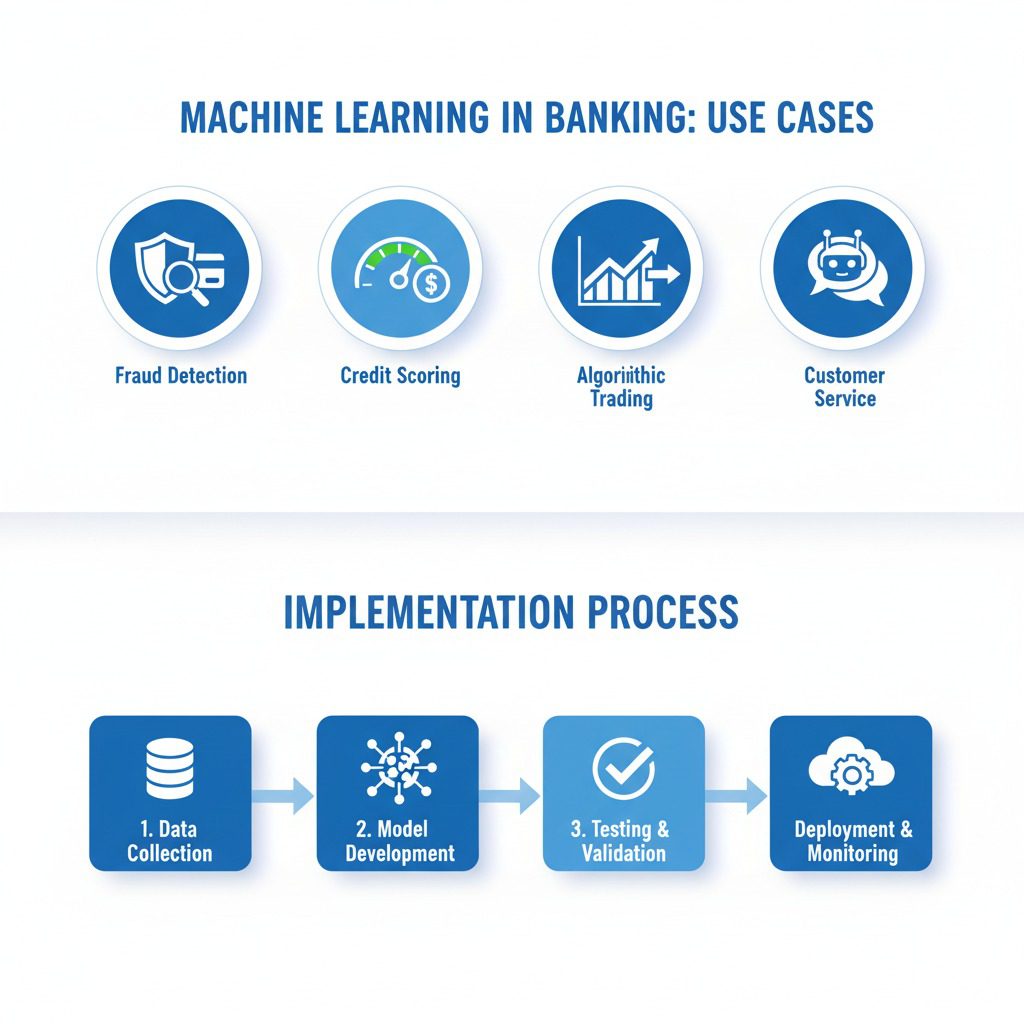
Introduction The banking industry is rapidly embracing machine learning (ML) to enhance operational efficiency, manage risk, detect fraud, and deliver personalized customer experiences. As financial institutions face increasing competition, regulatory complexities, and evolving customer expectations, ML innovations are becoming central to banking digital transformation. This comprehensive blog explores prominent use cases of machine learning in banking, its business impact, and the structured implementation process, supported by current insights and examples from leading institutions and fintech innovators. Key Use Cases of Machine Learning in Banking 1. Fraud Detection and Risk Management Fraud detection is arguably the most critical application of ML in banking. Machine learning models analyze millions of transactions in real-time, identifying abnormal patterns and preventing unauthorized activities earlier and more accurately than traditional rule-based systems. Behavioral analytics track anomalies like unusual transaction locations or atypical spending. Models dynamically adapt to emerging fraud tactics without explicit reprogramming. Banks like Citi use ML-driven anomaly detection for enhanced transaction security. 2. Personalized Customer Experiences ML enables hyper-personalization by analyzing customer behavior, preferences, and financial histories to tailor products, services, and recommendations. Robo-advisors provide customized investment advice based on risk tolerance. Targeted financial products improve customer engagement and retention. AI-driven virtual assistants offer real-time support and guidance addressing individual needs. 3. Process Automation and Operational Efficiency ML automates back-office processes such as loan underwriting, document verification, compliance monitoring, and reconciliation, reducing human errors and increasing throughput. Optical Character Recognition (OCR) converts handwritten documents for digital processing. Robotic Process Automation (RPA) combined with ML streamlines regulatory compliance tasks. Automation shortens loan approval cycles and improves customer onboarding. 4. Conversational Banking and Virtual Assistants AI-powered chatbots and intelligent virtual assistants enhance customer service by providing 24/7 support for routine inquiries, transaction assistance, and fraud alerts. Natural Language Processing (NLP) allows human-like interactions. Automations reduce call center load and improve response times. Virtual agents assist with bill payments, balance checks, and card controls. 5. Algorithmic Trading and Investment Analysis ML models identify complex market trends using diverse datasets including news sentiment, social media, and historical prices, enabling data-driven trading strategies. High-frequency trading bots optimize transactional timing and portfolio performance. Predictive analytics improve risk forecasting and asset allocation. Fintech firms leverage advanced ML to outperform traditional trading approaches. Business Impact of Machine Learning in Banking Enhanced Security: ML reduces financial crime impact and regulatory penalties. Improved Customer Loyalty: Personalized offerings increase satisfaction and retention. Operational Cost Savings: Automation lowers manual processing costs. Accelerated Innovation: Agile data-driven decision-making supports new product launches. Increased Competitive Advantage: Banks implementing ML lead fintech innovation. Explore advanced AI solutions fostering risk management and customer personalization at TechOTD AI Services. Implementing Machine Learning in Banking: A Structured Process Step 1: Business Needs Assessment Identify critical banking processes that benefit from ML, such as fraud detection or customer segmentation. Define clear goals and success metrics aligned with strategic priorities. Step 2: Data Collection and Evaluation Gather relevant datasets spanning transactions, customer profiles, operational logs, and external market data. Data quality and completeness are paramount for effective ML models. Step 3: Model Development and Training Develop ML models tailored to use cases, including supervised classification for fraud, clustering for customer segmentation, and NLP for chatbots. Choose algorithms suitable for the complexity and dataset size. Employ techniques such as cross-validation and hyperparameter tuning. Leverage cloud platforms to manage computational demands efficiently TechOTD Cloud Solutions. Step 4: Model Testing and Validation Rigorous testing using historical and simulated data ensures models meet accuracy, precision, and fairness criteria before deployment. Step 5: Deployment and Integration Deploy ML models into banking systems, integrated with transactional platforms, CRM, and compliance tools for streamlined workflows. Use APIs for system communication. Ensure real-time inference capability for critical applications. Step 6: Monitoring and Maintenance Continue monitoring model performance, retraining with new data and adapting to evolving patterns such as new fraud tactics or regulatory changes. Challenges and Considerations Data Privacy and Security: Ensuring compliance with regulations like GDPR while leveraging sensitive customer data. Model Interpretability: Addressing regulatory needs for transparent, explainable AI decisions. Legacy Systems Integration: Bridging newer ML systems with traditional banking infrastructure. Organizational Readiness: Cultivating skilled teams and fostering ML adoption culture. Learn about overcoming challenges with expert consulting at TechOTD How We Work. Future Trends in Machine Learning for Banking Agentic AI: Autonomous AI agents driving higher-level decision making. Federated Learning: Enhancing privacy by training models collaboratively without sharing raw data. Continual Learning: Models that adapt continuously with minimal human intervention. Cross-Industry Data Integration: Leveraging diverse data sources for holistic financial insights. Enhanced NLP Capabilities: More sophisticated conversational banking and sentiment analysis. Stay updated on AI and ML advances at the TechOTD Blog. Conclusion Machine learning is revolutionizing banking by enabling data-driven risk management, operational efficiency, and personalized customer journeys. Financial institutions that strategically implement ML processes and technologies stand poised to lead industry innovation, enhance profitability, and improve regulatory compliance.

Scroll to Top