
compliance

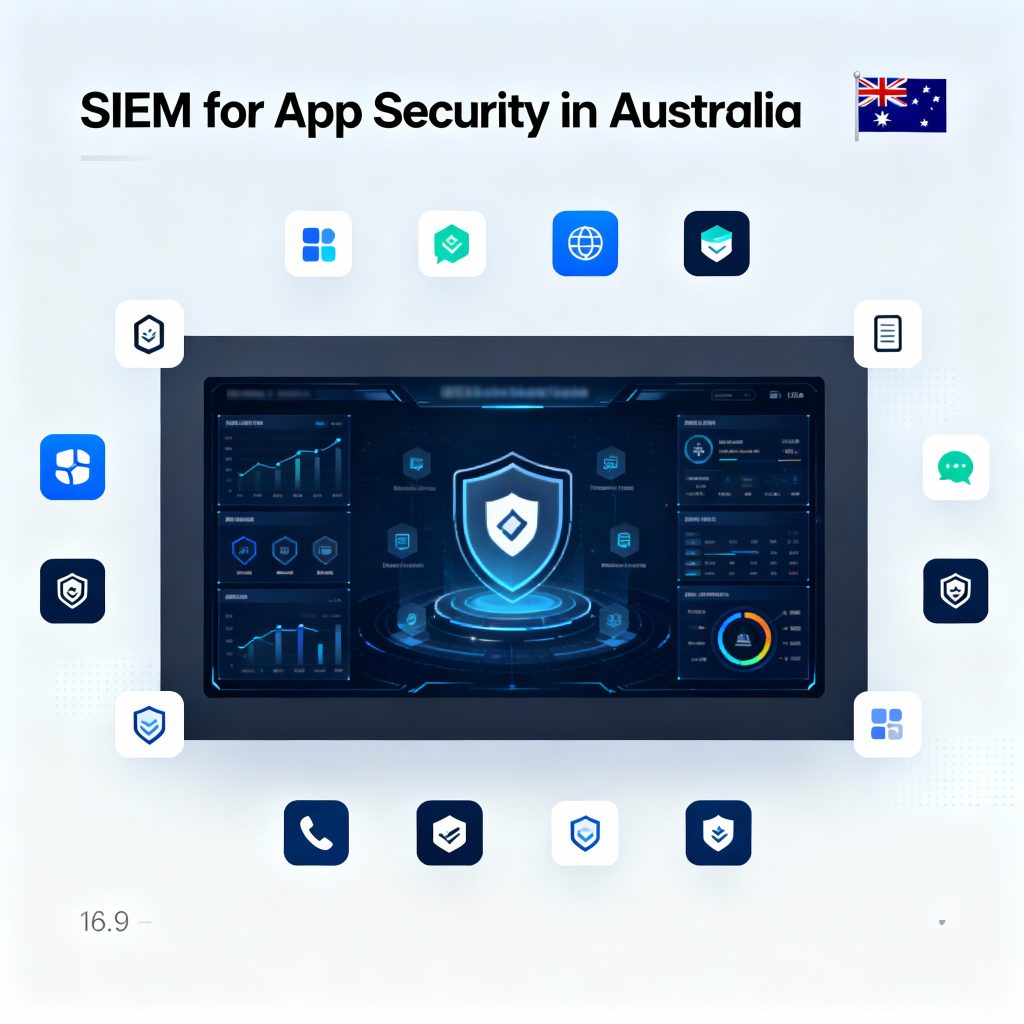
Futuristic SIEM dashboard interface overlayed with application security icons and the Australian flag, representing application security solutions for Australia
Artificial Intelligence

SIEM for App Security in Australia

Introduction Organisations in Australia are grappling with a rapidly evolving cyber threat landscape where application-layer attacks are more frequent and far-reaching than ever before. As digital infrastructures grow more complex and interconnected, security teams need efficient solutions to detect, investigate, and respond to threats targeting their applications. Security Information and Event Management (SIEM) platforms have emerged as a vital line of defense, providing both real-time visibility and advanced analytics to help businesses stay ahead of attackers. This blog explores why SIEM has become indispensable for Australian organisations seeking robust application security—and how it serves as a strategic weapon against the next generation of threats.​ SIEM for App Security in Australia How SIEM Protects Modern Applications Centralised Log Management: SIEM consolidates logs from across your entire stack—web apps, APIs, databases, and cloud services—transforming fragmented data into one coherent intelligence stream.​ Real-Time Threat Detection: Automated monitoring and correlation engines analyse events at scale, detecting suspicious behaviours and potential breaches before they escalate.​ Incident Response Enablement: SIEM alerts analysts to actionable threats, allowing them to prioritise and respond quickly, preventing damage and downtime.​ Compliance Support: With Australia’s data privacy regulations and the Security of Critical Infrastructure Act, SIEM helps organisations maintain auditable records and meet regulatory requirements efficiently.​ Key Benefits Early Breach Identification: By connecting seemingly minor events, SIEM unmasks coordinated attacks—like credential-stuffing or API abuse—that could remain undetected in siloed systems.​ Streamlined Security Operations: Automating event triage and investigation reduces the manual workload for security professionals and accelerates incident remediation.​ Integration with SOAR: Many SIEM platforms now work alongside Security Orchestration, Automation, and Response (SOAR) tools, further improving response times and consistency.​ SIEM in the Australian Security Landscape Australian businesses face increasingly complex and sophisticated attacks, prompting widespread adoption of SIEM solutions. According to recent market analysis:​ Growth Driven by Compliance and Threats: Demand for SIEM is surging as organisations strive to comply with the Australia Cyber Security Strategy and protect critical infrastructure, especially in sectors like BFSI, IT, and government.​ Rise of AI and Automation: Modern SIEM systems leverage artificial intelligence and machine learning to detect threats and automate responses, addressing the skills shortage and increasing detection accuracy.​ Operational Challenges: Integrating SIEM with legacy infrastructures, managing the volume of security data, and controlling costs remain significant hurdles for Australian businesses.​ Use Cases & Statistics Essential Eight Maturity: SIEM is a cornerstone for achieving the Australian Signals Directorate’s Essential Eight maturity model, translating to better preparedness and faster detection.​ Incident Response Uptake: 86% of Australian entities had an active incident response plan in 2024, showing a maturing industry that sees SIEM as critical to readiness.​ Market Outlook: The SIEM market in Australia is set for robust growth, fueled by both enterprise and SME adoption, as real-time detection and actionable security analytics become business imperatives.​ Conclusion SIEM has become a non-negotiable pillar for application security in Australia’s cyber threat environment. By centralising log data, delivering advanced analytics, and supporting compliance, SIEM empowers organisations to defend against evolving threats efficiently and confidently. Investing in SIEM today means not just meeting regulatory demands, but enabling your team to spot sophisticated attacks much earlier—and respond faster. As cyber risks grow, the question is not if, but how soon your organisation will face them. Make SIEM the cornerstone of your cyber strategy and stay a step ahead. Ready to take your application security to the next level? Explore advanced SIEM platforms or consult with a cybersecurity expert to start protecting your business today! FAQ 1. What is SIEM and why is it important for Australian businesses? SIEM stands for Security Information and Event Management—a platform to collect, analyse, and correlate security data in real-time, crucial for early threat detection and regulatory compliance.​ 2. How does SIEM help meet Australian compliance standards? SIEM provides auditable logs, automated reporting, and breach detection, helping organisations comply with regulations like the Privacy Act and Security of Critical Infrastructure Act.​ 3. What kinds of threats can SIEM detect in applications? SIEM detects credential stuffing, API abuse, insider threats, and targeted cyber-attacks by correlating anomalous events across application layers.​ 4. Are SIEM platforms suitable for both large enterprises and SMEs? Yes, both large enterprises and small-to-medium businesses are increasingly adopting SIEM to strengthen their security posture and compliance readiness.​ 5. What trends are shaping SIEM adoption in Australia? AI-powered analytics, automation, and integration with SOAR are top trends, addressing complexity and improving response speeds in the face of rising threats.
Cloud

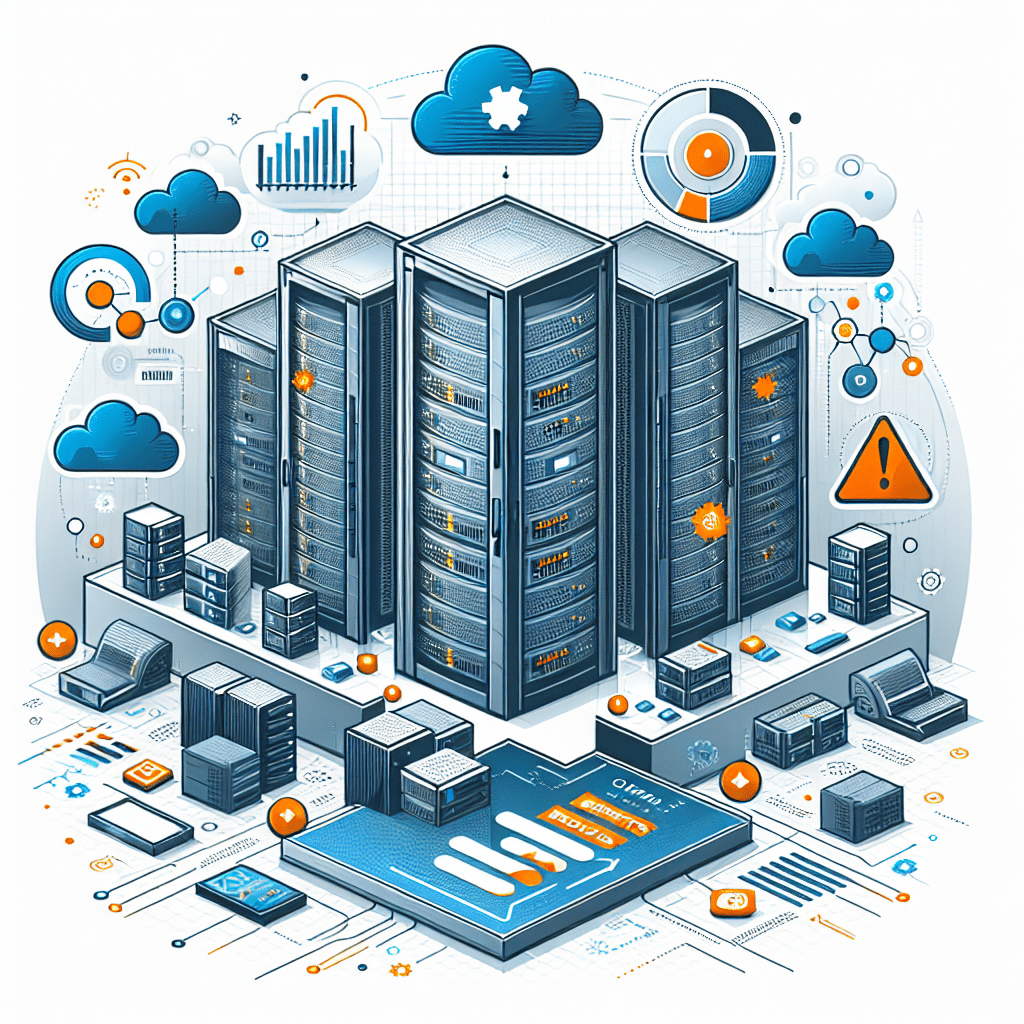
On-Premise Cloud: Analyzing the Benefits, Risks, and Costs for Enterprise

Introduction The decision between on-premise and cloud solutions shapes enterprise IT strategies, impacting everything from security and compliance to agility and ROI. While cloud adoption surges for its convenience and scalability, on-premise infrastructure often remains the backbone for businesses that require granular control and regulatory compliance. This blog unpacks the key benefits, risks, and costs associated with on-premise cloud setups, helping you make informed choices. For expert IT strategy support, explore TechOTD, leverage cutting-edge AI services, and discover custom web development. Key Benefits of On-Premise Cloud for Enterprises Full Control & Customization: Hosting critical applications and data on-premises ensures you have total authority over security protocols, software configurations, and system integrations. This is vital for highly regulated industries like finance, government, and healthcare. Enhanced Data Privacy: Sensitive data never leaves your organization’s direct oversight, empowering you to comply with strict privacy standards and data sovereignty laws. Independence from Third Parties: On-premise solutions are immune to cloud provider outages, vendor lock-in, and fluctuating internet reliability. Systems remain accessible even during external crises or connection failures. Tailored Security: Direct control allows you to build layered, organization-specific security systems—crucial for handling confidential or proprietary data. Risks and Drawbacks Significant Upfront Costs: Enterprises shoulder large capital investments for hardware, software licenses, installation, and custom infrastructure. This can be a substantial hurdle for smaller organizations. Ongoing Maintenance Burden: All updates, security patches, repairs, and compliance checks must be managed in-house, requiring skilled IT teams and constant vigilance. Limited Scalability: Scaling up means buying and configuring additional servers, which can be time-consuming and costly. Unlike cloud platforms, scaling down doesn’t recover sunk investments. Resource Redundancy & Downtime: Failures or outages demand manual intervention and can lead to costly downtime, unless robust redundancy and backup plans are in place. Skills Gap: Maintaining modern on-premise systems requires advanced IT talent, which is scarce and costly as organizations increasingly shift workloads to cloud environments. Cost Analysis Aspect On-Premise Cloud Cloud Alternative Initial Outlay High (hardware, licenses, setup) Low/None (subscription, pay-as-you-go) Ongoing Costs Maintenance, upgrades, IT staff Subscription fees, usage costs Scalability Cost Hardware expansion, potential downtime Instant scaling, cost reflects usage Total Cost of Ownership (TCO) Can be lower with long-term, predictable usage, but risks overprovisioning and underutilization May rise with high or unpredictable data transfer, but usually lower for varying workloads Resource Utilization Often underused if over-provisioned Optimized (pay only for active usage) Insight: For enterprises with steady, high-demand workloads, on-premise cloud can provide long-term savings after the large initial investment. However, for variable, unpredictable, or rapidly growing workloads, cloud solutions typically offer more flexibility and cost savings. Conclusion On-premise cloud environments give enterprises unmatched control, privacy, and customization—making them a common choice in highly regulated sectors. However, these advantages come at the price of higher upfront costs, ongoing maintenance responsibilities, and slower responsiveness to changing business needs. Ultimately, the best solution depends on your organization’s size, growth rate, regulatory environment, and IT expertise. For an optimized cloud or hybrid strategy, consult TechOTD, or unlock end-to-end IT and AI support via their services portfolio. FAQ 1. When is on-premise cloud better than full cloud solutions? When absolute data control, compliance, and customization are priorities—especially in finance, healthcare, and government. 2. What are the main hidden costs of on-premise solutions? Upgrades, ongoing maintenance, hardware failure risks, and the need for highly skilled IT staff. 3. How can I manage scalability challenges with on-premise cloud? Careful capacity planning, investing in modular hardware, and using hybrid setups for overflow workloads. 4. Is on-premise always more secure than cloud? Not always—security depends on your team’s capabilities and processes. Cloud providers often offer advanced protections, but you lose some direct control. 5. Can on-premise and cloud be combined? Yes—a hybrid cloud architecture integrates the best of both worlds, using on-premise for sensitive workloads and cloud for scalability

Artificial Intelligence

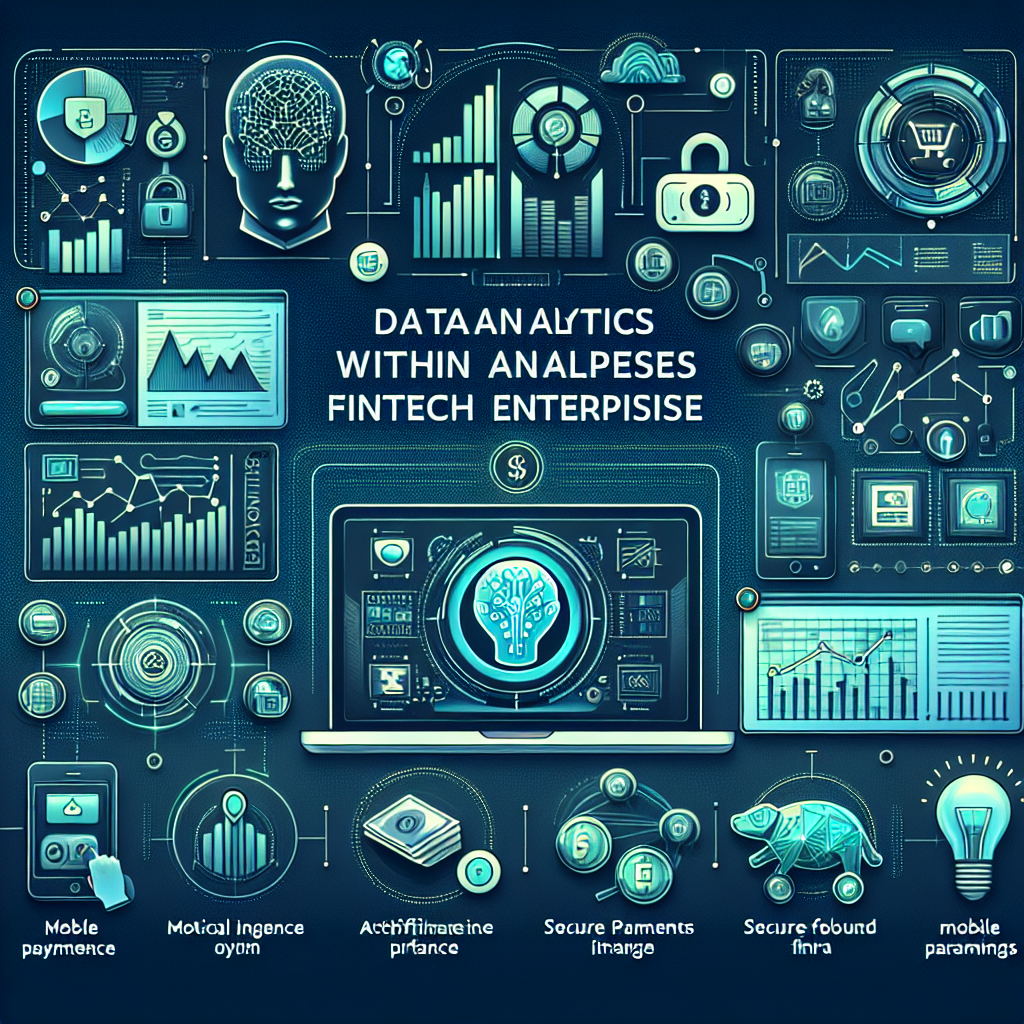
How Data Analytics Works in Fintech Enterprises

Introduction In 2025, data analytics has become the backbone of innovation and efficiency in fintech enterprises. Whether it’s for risk assessment, real-time fraud detection, customer personalization, or regulatory compliance, the strategic use of big data is redefining how fintech firms operate and scale. In this blog, we’ll explore how data analytics functions in the fintech sector, covering everything from data collection and processing to predictive modeling and business impact. Plus, discover why working with a future-ready partner like TechOTD is key to accelerating your fintech transformation journey. The Role of Data Analytics in Fintech 1. Data Collection & Integration Fintech companies ingest massive volumes of structured and unstructured data from banking transactions, payment gateways, customer interactions, IoT devices, and open banking APIs. The data stack typically involves cloud-native data lakes, robust ETL pipelines, and seamless integrations—often built by expert partners like TechOTD Web Development Services. 2. Preprocessing & Cleaning Before analysis, raw data undergoes cleaning, transformation, and normalization. This ensures that only accurate, relevant, and consistent information is carried forward. Automated workflows powered by AI-driven process monitoring and automation can catch anomalies and flag low-quality data early. 3. Real-Time Analysis & Decisioning Modern fintech relies on real-time analytics. Platforms stream data through tools like Apache Kafka or cloud-native systems, enabling instantaneous fraud detection, payment authorization, and compliance monitoring. For high-volume actions such as microtransactions or trading, milliseconds matter. 4. Predictive Modeling & Machine Learning At the core of fintech analytics are advanced AI and machine learning models that power: Credit scoring & risk assessment Fraud pattern recognition Customer segmentation & personalization Predictive portfolio management Dynamic pricing for loans and insurance AI models are developed, trained, and deployed by specialists using platforms and stacks like those offered by TechOTD’s AI Solutions, which also include model retraining and ongoing performance refinement. 5. Visualization & Business Insights Clear data visualization—think dashboards, interactive charts, automated reports—makes complex analytics understandable, actionable, and auditable for decision-makers, regulators, and partners. 6. Compliance & Data Security Regulations in finance are strict (GDPR, PSD2, local compliance). Data analytics platforms in fintech must be secure, transparent, and auditable, using encrypted flows, monitored access, and traceable changes. TechOTD’s consulting and development services include robust compliance planning baked into every solution. Key Benefits of Data Analytics in Fintech Faster and smarter decision-making Reduced fraud and operational risk Improved loan and product personalization Better regulatory reporting and auditability Higher user retention and growth rates Practical Example: AI-Powered Credit Scoring A leading fintech lender integrates open banking data and transaction histories through a secure cloud pipeline. ML models analyze applicant financial footprints in real time, generating nuanced credit ratings that outperform legacy techniques—reducing default rates and improving financial inclusion. Why Choose TechOTD for Fintech Data Analytics? Deep expertise in cloud, AI, and secure web development for finance Experience across banking, insurance, trading, and eCommerce verticals End-to-end project delivery from strategy to support Backed by glowing client testimonials—discover our services at TechOTD, About TechOTD, and Partner with Us. Conclusion Data analytics is the competitive edge that defines modern fintech. From collecting transaction data to deploying AI-driven models and visualizing actionable insights, each step unlocks new value and opportunity. If you’re looking to transform your fintech enterprise with next-level analytics, expert development, or custom AI, connect with TechOTD—and start building the future today. FAQ 1. What is the primary value of data analytics in fintech? It powers smarter decisions, reduces risk, and drives customer personalization and growth. 2. How do fintechs ensure data quality? Through automated cleaning, transformation, real-time monitoring, and specialist support from partners like TechOTD. 3. What role does AI play in fintech analytics? AI enables advanced use cases: predictive credit scoring, smart fraud detection, automated process optimization, and customer experience tailoring. 4. Is data analytics essential for compliance? Absolutely. Analytics platforms facilitate real-time compliance checks, automated reporting, and full audit trails. 5. How can TechOTD help my fintech business? By delivering secure, scalable, and innovative web, AI, and analytics solutions tailored for the financial services ecosystem—see our AI services and industry expertise

Scroll to Top