
cloud solutions

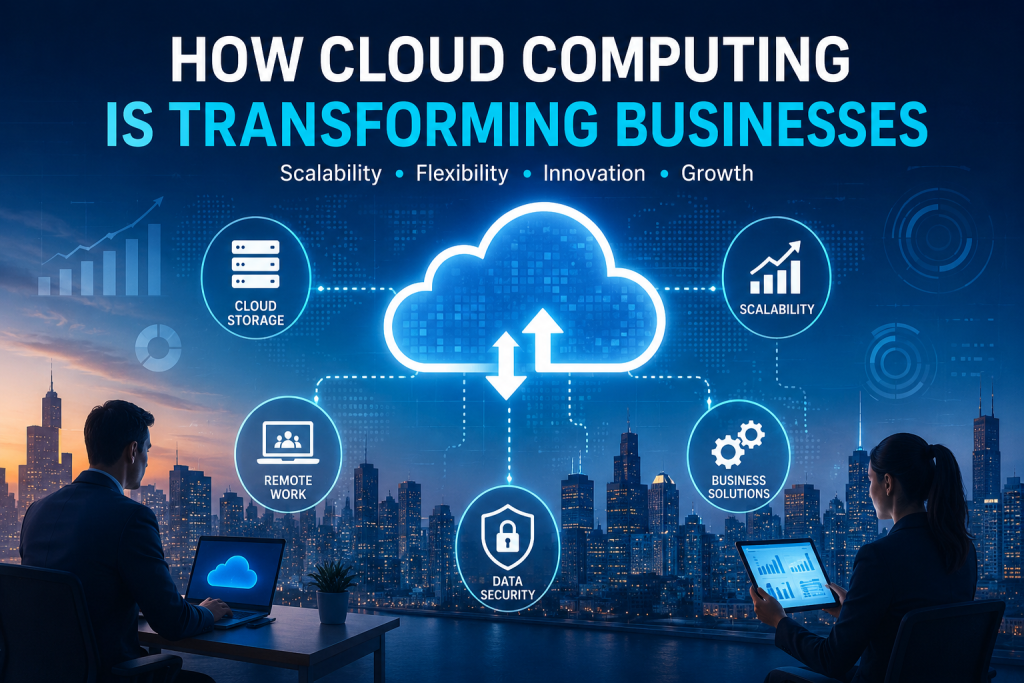
Cloud computing technology helping businesses with scalability, flexibility and digital transformation
Technology

How Cloud Computing Is Transforming Businesses

Introduction Cloud computing is transforming the way businesses store data, manage applications, and access technology. Instead of relying only on physical servers and local infrastructure, organizations can use cloud-based services to access computing resources through the internet. Cloud computing for businesses can provide greater flexibility, scalability, and accessibility. Companies can use cloud services to support remote work, improve collaboration, manage data, and adapt technology resources according to changing business needs. As digital transformation continues to influence modern industries, cloud computing has become an important technology for businesses of different sizes. When implemented effectively, cloud solutions can help organizations improve efficiency while supporting innovation and future growth. What Is Cloud Computing? Cloud computing refers to the delivery of computing services through the internet. Instead of owning and maintaining all technology infrastructure locally, businesses can access services such as storage, servers, databases, software, and computing power through cloud providers. Cloud Storage Cloud storage allows businesses to store and access data through online services rather than relying only on local devices or physical storage systems. This can make important files and information easier to access from different locations. Cloud-Based Software Cloud-based software allows users to access applications through the internet. Businesses can use these tools for communication, project management, customer relationships, accounting, and many other daily operations. Cloud Infrastructure Cloud infrastructure provides computing resources such as servers, networking, and processing power through online services. Businesses can use these resources without managing all physical hardware themselves. By providing technology resources on demand, cloud computing can give businesses more flexibility in how they use, manage, and scale their digital systems. How Cloud Computing Benefits Businesses Cloud computing can provide businesses with greater flexibility and access to technology resources without requiring every system to be managed through local infrastructure. Cloud-based services can support changing business needs and make digital tools more accessible. 1. Scalability and Flexibility Cloud computing allows businesses to adjust technology resources according to their needs. Organizations can increase or reduce storage, computing power, and other services as their requirements change. 2. Improved Collaboration Cloud-based tools can help employees access shared files, communicate, and work together from different locations. This can support collaboration between teams and make remote or hybrid work more flexible. 3. Easier Access to Data Cloud services can allow authorized users to access important files and business information through the internet. This can make data more accessible while supporting employees who work from different locations. 4. Reduced Infrastructure Management Using cloud services can reduce the need for businesses to manage every physical server and technology resource internally. This can allow organizations to focus more on their business operations and strategic technology goals. Key Business Uses of Cloud Computing Cloud computing supports many different business activities by providing access to digital tools, storage, computing resources, and online services. Organizations can use cloud technology to improve daily operations and support long-term digital transformation. Cloud Storage and Data Management Businesses can use cloud storage to organize, store, and access important files and information. Centralized cloud-based systems can make it easier for authorized teams to work with shared business data. Remote and Hybrid Work Cloud-based applications can support employees who work from different locations. Teams can access shared documents, communication tools, and business systems through secure online platforms. Business Software and Applications Many organizations use cloud-based software for activities such as customer management, accounting, communication, project management, and data analysis. Online software services can provide businesses with flexible access to important tools. Backup and Disaster Recovery Cloud services can support data backup and recovery planning by storing copies of important information in separate digital environments. Effective backup strategies can help businesses recover information after certain technical problems or unexpected disruptions. Supporting Business Growth Cloud computing can help businesses scale their technology resources as their operations grow. Instead of making major infrastructure changes for every increase in demand, organizations can often adjust cloud services according to changing requirements. Challenges of Cloud Computing for Businesses Although cloud computing offers many advantages, businesses should also understand the challenges involved in moving systems and data to cloud-based environments. Successful cloud adoption requires careful planning, security practices, and effective management. Data Security and Privacy Businesses need to protect sensitive information when using cloud services. Strong access controls, secure configurations, and responsible data management can help reduce security and privacy risks. Internet Dependency Many cloud-based services depend on reliable internet access. Connectivity problems can affect access to important applications, files, and business systems. Managing Cloud Costs Cloud services can provide flexible pricing, but costs may increase if resources are not monitored and managed carefully. Businesses should understand how they use cloud services and review their technology expenses regularly. Migration and Integration Challenges Moving existing applications, data, and business processes to the cloud can require careful planning. Organizations may need to ensure that cloud services work effectively with their existing systems and workflows. Vendor Dependence Businesses can become dependent on specific cloud providers and their services. Understanding service agreements, data portability, and backup options can help organizations make more informed technology decisions. The Future of Cloud Computing in Business Cloud computing is expected to remain an important part of digital transformation as businesses continue to adopt more flexible and connected technologies. Future cloud services may provide greater automation, improved scalability, and more advanced tools for managing business operations. Technologies such as artificial intelligence, data analytics, automation, and edge computing may become more closely connected with cloud platforms. This can help businesses process information more efficiently and develop new digital services. Smarter Cloud Services Future cloud platforms may use artificial intelligence and automation to help businesses manage resources, analyze data, and identify opportunities for improving operations. These technologies could make cloud environments more intelligent and responsive. Greater Flexibility and Innovation Cloud computing can continue to support innovation by giving businesses access to technology resources without requiring every organization to build and manage complex infrastructure. This flexibility can help companies experiment with new ideas and adapt to changing market needs. Conclusion Cloud computing
Artificial Intelligence

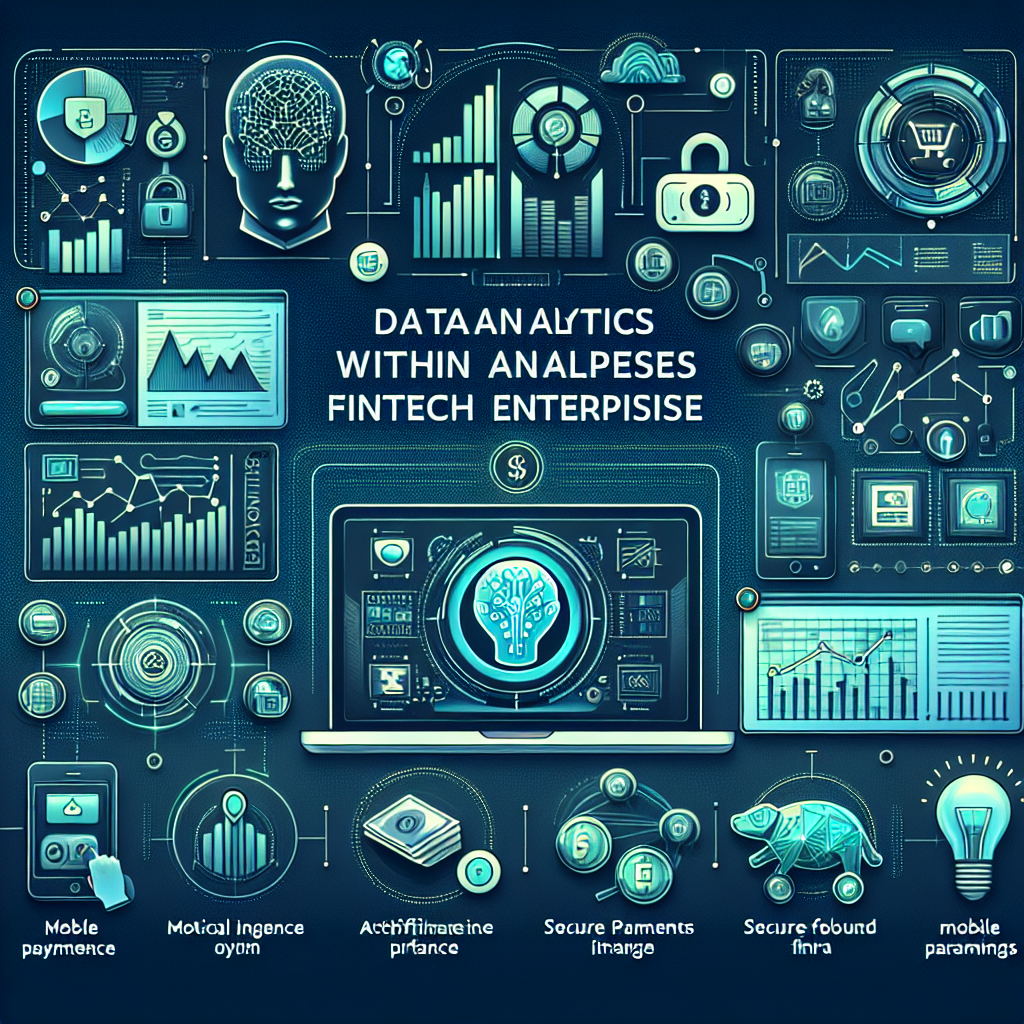
How Data Analytics Works in Fintech Enterprises

Introduction In 2025, data analytics has become the backbone of innovation and efficiency in fintech enterprises. Whether it’s for risk assessment, real-time fraud detection, customer personalization, or regulatory compliance, the strategic use of big data is redefining how fintech firms operate and scale. In this blog, we’ll explore how data analytics functions in the fintech sector, covering everything from data collection and processing to predictive modeling and business impact. Plus, discover why working with a future-ready partner like TechOTD is key to accelerating your fintech transformation journey. The Role of Data Analytics in Fintech 1. Data Collection & Integration Fintech companies ingest massive volumes of structured and unstructured data from banking transactions, payment gateways, customer interactions, IoT devices, and open banking APIs. The data stack typically involves cloud-native data lakes, robust ETL pipelines, and seamless integrations—often built by expert partners like TechOTD Web Development Services. 2. Preprocessing & Cleaning Before analysis, raw data undergoes cleaning, transformation, and normalization. This ensures that only accurate, relevant, and consistent information is carried forward. Automated workflows powered by AI-driven process monitoring and automation can catch anomalies and flag low-quality data early. 3. Real-Time Analysis & Decisioning Modern fintech relies on real-time analytics. Platforms stream data through tools like Apache Kafka or cloud-native systems, enabling instantaneous fraud detection, payment authorization, and compliance monitoring. For high-volume actions such as microtransactions or trading, milliseconds matter. 4. Predictive Modeling & Machine Learning At the core of fintech analytics are advanced AI and machine learning models that power: Credit scoring & risk assessment Fraud pattern recognition Customer segmentation & personalization Predictive portfolio management Dynamic pricing for loans and insurance AI models are developed, trained, and deployed by specialists using platforms and stacks like those offered by TechOTD’s AI Solutions, which also include model retraining and ongoing performance refinement. 5. Visualization & Business Insights Clear data visualization—think dashboards, interactive charts, automated reports—makes complex analytics understandable, actionable, and auditable for decision-makers, regulators, and partners. 6. Compliance & Data Security Regulations in finance are strict (GDPR, PSD2, local compliance). Data analytics platforms in fintech must be secure, transparent, and auditable, using encrypted flows, monitored access, and traceable changes. TechOTD’s consulting and development services include robust compliance planning baked into every solution. Key Benefits of Data Analytics in Fintech Faster and smarter decision-making Reduced fraud and operational risk Improved loan and product personalization Better regulatory reporting and auditability Higher user retention and growth rates Practical Example: AI-Powered Credit Scoring A leading fintech lender integrates open banking data and transaction histories through a secure cloud pipeline. ML models analyze applicant financial footprints in real time, generating nuanced credit ratings that outperform legacy techniques—reducing default rates and improving financial inclusion. Why Choose TechOTD for Fintech Data Analytics? Deep expertise in cloud, AI, and secure web development for finance Experience across banking, insurance, trading, and eCommerce verticals End-to-end project delivery from strategy to support Backed by glowing client testimonials—discover our services at TechOTD, About TechOTD, and Partner with Us. Conclusion Data analytics is the competitive edge that defines modern fintech. From collecting transaction data to deploying AI-driven models and visualizing actionable insights, each step unlocks new value and opportunity. If you’re looking to transform your fintech enterprise with next-level analytics, expert development, or custom AI, connect with TechOTD—and start building the future today. FAQ 1. What is the primary value of data analytics in fintech? It powers smarter decisions, reduces risk, and drives customer personalization and growth. 2. How do fintechs ensure data quality? Through automated cleaning, transformation, real-time monitoring, and specialist support from partners like TechOTD. 3. What role does AI play in fintech analytics? AI enables advanced use cases: predictive credit scoring, smart fraud detection, automated process optimization, and customer experience tailoring. 4. Is data analytics essential for compliance? Absolutely. Analytics platforms facilitate real-time compliance checks, automated reporting, and full audit trails. 5. How can TechOTD help my fintech business? By delivering secure, scalable, and innovative web, AI, and analytics solutions tailored for the financial services ecosystem—see our AI services and industry expertise

Technical Debt

Digital Innovation Challenges: Can Your Technology Keep Up?

Digital Innovation Challenges: Can Your Technology Keep Up?   Introduction In today’s lightning-fast digital era, innovation isn’t just a buzzword—it’s a necessity. Businesses that fail to adapt quickly risk losing ground to agile competitors, eroding market share, and falling short of customer expectations. Digital innovation brings immense promise—streamlined operations, new revenue streams, and better user experiences—but it also introduces unique technological challenges. Is your technology stack resilient, scalable, and intelligent enough to keep pace? This blog explores the key hurdles companies face in the race for digital excellence and provides practical solutions, highlighting how future-ready partners like TechOTD can empower your journey. The Biggest Digital Innovation Challenges Legacy System Limitations Outdated IT infrastructure and siloed systems hamper integration and flexibility. Difficulty connecting legacy platforms to cloud, mobile, and AI solutions slows business transformation. Solution: Migrate gradually with expert web development and modernization. Scalability for Sudden Growth Many companies struggle to scale infrastructure to meet demand spikes without prohibitive costs. Cloud adoption and automation help, but navigating the transition can be complex. Solution: Embrace robust cloud solutions and leverage AI-powered automation. Security in a Connected World Expanding digital footprints increase vulnerabilities to cyber threats and data breaches. Compliance with evolving regulations (GDPR, HIPAA) is increasingly demanding. Solution: Build secure software with regular security audits through industry-leading partners. Data Overload and Insight Extraction Massive data is generated every minute, but actionable insights lag behind. Integrating disparate data sources and harnessing predictive analytics is an ongoing struggle. Solution: Invest in AI & Analytics to turn raw data into strategic advantage. User Expectations & Digital Experience Customers demand seamless, personalized experiences across platforms. Slow, unintuitive, or buggy apps lead to abandoned carts and lost loyalty. Solution: Employ cutting-edge mobile app and web solutions for world-class customer engagement. How to Overcome Innovation Hurdles Create a Culture of Agility Foster cross-functional teams and encourage experimentation over perfectionism. Rapidly prototype and test new ideas with minimal risk. Adopt Modular, Future-Proof Platforms Use modern APIs and microservices to facilitate integration and scalability. Avoid vendor lock-in and ensure long-term flexibility. Harness Artificial Intelligence Automate repetitive tasks and drive smarter decisions with AI-driven tools. Leverage AI for predictive analytics, personalization, and product recommendations for industries like eCommerce. Partner with Innovation-Driven Experts Collaborate with technology advisors who offer both strategy and implementation—see how TechOTD’s partner programs deliver end-to-end digital transformation. Invest in Proactive Maintenance and Support Ensure continuous uptime, regular updates, and future scalability. Choose IT partners that provide robust support and knowledge transfer—learn more About TechOTD. Conclusion Digital innovation is a journey with hurdles at every step—from legacy challenges and security threats to the need for constant scalability and insight. But with the right strategy and future-facing technology partners, these challenges turn into stepping stones for growth and leadership. Is your organization ready to innovate at scale and speed? Start by assessing your digital readiness and engaging with trusted partners like TechOTD to shape a resilient, intelligent future. FAQ 1. What’s the main technology challenge in digital innovation? Legacy systems and lack of integration are the biggest barriers—modernize gradually, don’t rip and replace. 2. How can my business extract more value from our data? Utilize advanced AI and data analytics platforms to unify, process, and interpret data from all sources. 3. Are cloud solutions essential for digital innovation? Yes, cloud infrastructure allows you to scale rapidly, deploy globally, and tap into new services and capabilities with less friction. 4. What are best practices for securing digital innovations? Follow a security-by-design approach, conduct regular audits, and stay compliant with the latest regulations. 5. When should I seek an external technology partner? If you need fresh expertise, want to expedite transformation, or lack in-house tech resources, partnering with a firm like TechOTD is highly effective.

Scroll to Top